
Why Are 80% of Vaccine Trials Ignoring This Vulnerable Group? The Shocking Truth You Need to Know!

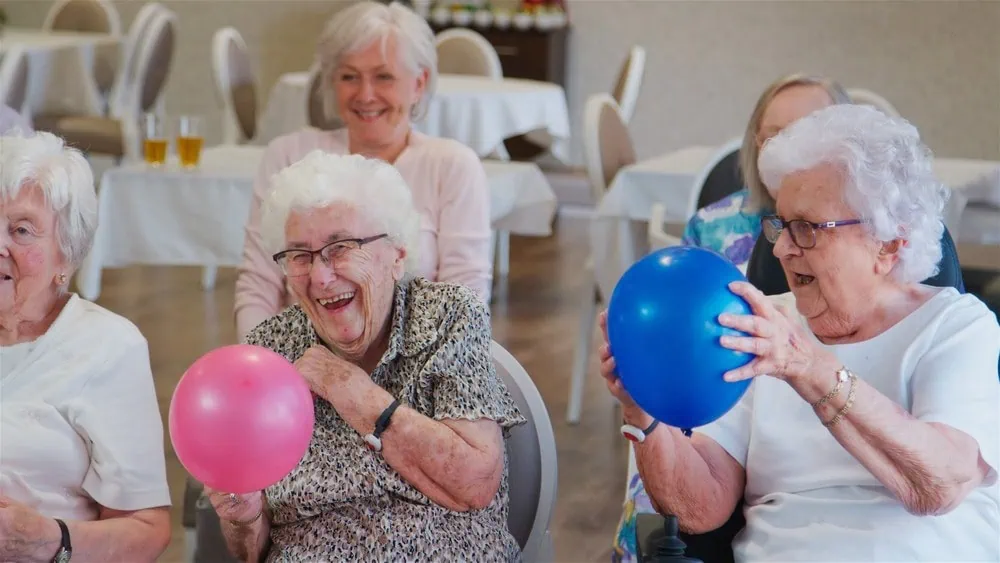
A recent review of vaccine trials conducted in care homes has brought to light a significant gap in the representation of one of the most vulnerable populations during the COVID-19 pandemic. Led by researchers from the University of Aberdeen and published in the journal Age and Ageing, the study emphasizes the necessity for future vaccine trials to include care home residents, a group that was shockingly overlooked in past trials despite their prioritization for vaccination.
Professor Roy Soiza, who heads the study and is affiliated with both the University of Aberdeen and NHS Grampian, pointed out that "during the pandemic, not a single care home resident was recruited into trials despite this group being prioritized for vaccination." This oversight raises critical questions about the efficacy and safety of vaccines for individuals residing in such communal environments, where the risk of infection is considerably heightened due to age and health-related factors.
The research team, part of the Widening Access to Trials in Care Homes (WATCH) consortium funded by Moderna, reviewed over 700 articles and examined 20 vaccine trials involving 7,479 individuals across 238 care homes in the UK. Their findings indicate that care home residents are often excluded from trials for medications and vaccines that they may later receive, which is a concerning trend.
As noted by Dr. Selvarani Subbarayan, also from the University of Aberdeen and NHS Grampian, care home residents are typically “much older and frailer,” and live in settings that significantly increase their risk of severe outcomes from infectious diseases. This demographic, therefore, necessitates not only prioritization in vaccination efforts but also representation in the trials that determine vaccine safety and effectiveness.
While it's established that vaccines are crucial for protecting this vulnerable group, their immune responses may be markedly weaker due to various factors such as frailty, dementia, and reduced kidney function. Moreover, even when vaccines are effective, the immune responses in older adults may decline more rapidly than in younger populations. This raises an essential question: How can researchers ensure that vaccines are both safe and effective for those most at risk if they are not included in the trials?
The WATCH consortium aims to create best practice guidance for the planning of future vaccine trials in care home settings. It was formed as part of a wider initiative by the UK Vaccine Innovation Pathway, a project of the National Institute of Health and Care Research (NIHR), which seeks to enhance the capacity and capability of vaccine trials in diverse care environments.
Professor Soiza emphasizes that improving the representation of care home residents in vaccine trials is critical for ensuring that the vaccines developed are suitable for this population. He notes, “As demonstrated during the COVID-19 pandemic, care home residents are often worst affected by infectious diseases, so numerous vaccines are being developed for older people with frailty, including care home residents.”
However, recruiting these residents into trials is fraught with challenges. Dr. Subbarayan highlights the urgent need to address barriers that prevent care home residents from participating in vaccine trials, ensuring that they are adequately evaluated to benefit the populations that need them most.
The implications of this research extend beyond just vaccine trials; they touch on broader themes of healthcare equity and vulnerability. The exclusion of care home residents from clinical research not only questions the validity of the vaccines but also highlights a gap in health equity that must be addressed as we move forward in a post-pandemic world.
As healthcare systems strive to protect the most vulnerable, it is imperative that future vaccine trials prioritize the inclusion of care home residents. Only then can we ensure that vaccines are both effective and safe for one of society's most at-risk populations.
You Won't Believe Why the National Park Service Just Yanked a Climate Change Sign at Fort Sumter!

Is Your Favorite Fitness Influencer Hiding THIS Shocking Secret? The Alarming Trend You Must Know!

You Won't Believe What Jolie Martinez Revealed About Her Shocking Fitness Transformation!

Japan's Snack Market is Changing Fast: Discover Shocking Trends That Could Cost You!
You Won't Believe What Happened When This Celebrity Tried to Silence the Truth!
What TikTok's Shocking New Deal with the White House Means for Your Privacy—You Won't Believe It!
You might also like: