
Why Are 80% of Health System Failures NOT Malicious? Miriam Mutebi Reveals the Shocking Truth!

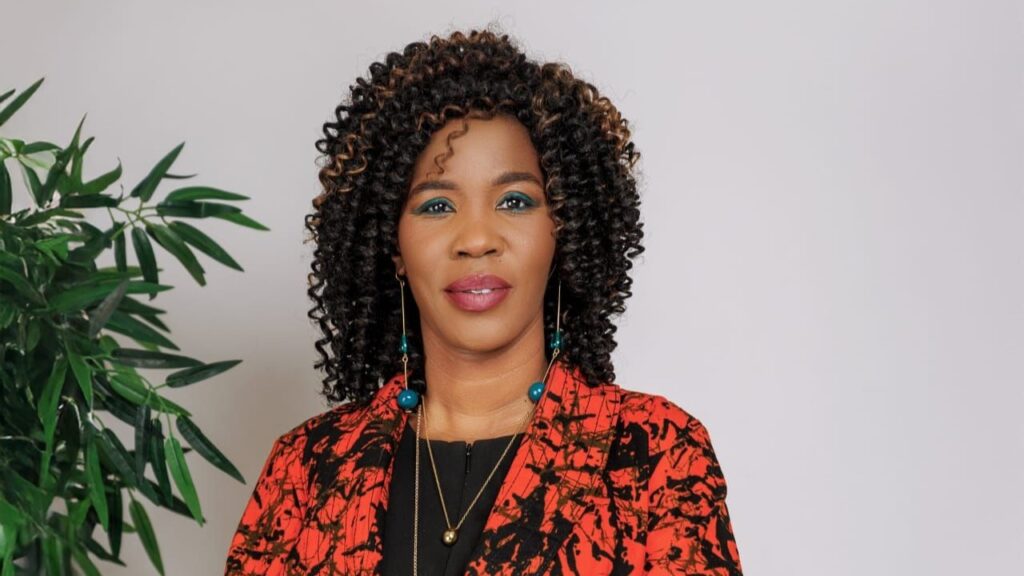
Miriam Mutebi, a Breast Surgical Oncologist and Assistant Professor in the Department of Surgery at the Aga Khan University Hospital, recently shared her reflections on Gabriel García Márquez's novel, Chronicle of a Death Foretold, in a thought-provoking post on LinkedIn. She expressed her discomfort with the absence of clear villains in the narrative. Instead, the inhabitants of the town are portrayed as ordinary people—well-meaning yet bound by societal roles, routines, and assumptions. This inability to act against the impending tragedy echoes a much larger issue that extends beyond literature and into real-world scenarios, particularly within the healthcare system.
Dr. Mutebi's insights parallel a troubling reality in cancer care, where delays and fragmented pathways have become normalized. Healthcare professionals often explain adverse patient outcomes as a result of various factors: patients “presented late,” “resources are limited,” or “that’s the context.” While these statements may hold truth, they also serve as narratives that protect the system from facing necessary and uncomfortable redesigns.
“Most harm in health systems isn’t malicious,” Dr. Mutebi notes. “If anything, it’s predictable, and therefore infinitely preventable.” This assertion invites readers to contemplate how systemic issues often go unaddressed because they emerge from a culture that tacitly accepts inefficiencies and barriers to timely care.
The healthcare system, much like the town in García Márquez’s novel, reflects how inaction and complacency can lead to devastating outcomes. In the U.S., patients frequently experience long waits for appointments, delayed diagnoses, and a lack of coordinated care—all of which can exacerbate health disparities. These systemic delays are not always due to a lack of resources or staff; often, they stem from entrenched practices that have become the status quo. And while well-intentioned, healthcare providers may inadvertently contribute to this cycle of inaction.
This phenomenon is particularly relevant in the context of cancer care, where timely intervention is crucial. Breast cancer, for example, has a high survival rate when detected early; however, many patients fail to receive timely screenings and treatments due to systemic hurdles. According to the American Cancer Society, the five-year survival rate for localized breast cancer is 99%, but this statistic drops significantly for late-stage diagnoses. Delays in care can mean the difference between life and death.
The implications of this situation are profound, not just for individual patients but for society as a whole. The increasing prevalence of chronic diseases, including cancer, demands a healthcare system that is both responsive and resilient. To do this, stakeholders must prioritize redesigning processes that are inefficient and harmful, eliminating the narratives that shield the system from necessary changes.
Dr. Mutebi’s perspective is a call to action for healthcare professionals, policymakers, and patients alike. It challenges each of us to recognize our roles in the system and encourages a culture of accountability and responsiveness. Just as the townspeople in García Márquez’s fictional world were bound by their routines, so too can healthcare providers become trapped in outdated practices that ultimately harm their patients.
In conclusion, the lessons drawn from Chronicle of a Death Foretold resonate deeply within the fabric of American healthcare. By addressing the systemic issues that lead to preventable harm, we can cultivate a healthcare landscape that prioritizes patient outcomes and fosters a culture of proactive care. Only then can we hope to break free from the narratives that allow inefficiency to flourish, ensuring that every individual has access to timely and effective treatment.
Is Analog Devices (NASDAQ:ADI) on the Verge of a Jaw-Dropping Surge? Discover the Shocking Truth!

Japan's Shocking Move: Are Foreign Homebuyers About to Lose Everything? Find Out Now!

You Won't Believe the Heartbreaking Truth Behind This Viral Post – It's More Devastating Than You Think!

NC Lawmakers Set to Unveil Shocking Priorities for 2026—Is Your Future at Risk?

Rock Legend Dead at 68: The Shocking Truth Behind His Final Days Will Leave You Heartbroken!
Your Browser Might Be Hiding a Dangerous Secret—Find Out What You’re Missing NOW!
You might also like: