
Why 3 Million Australian Teens Are Suddenly Locked Out of Social Media – The Shocking Reason Revealed!

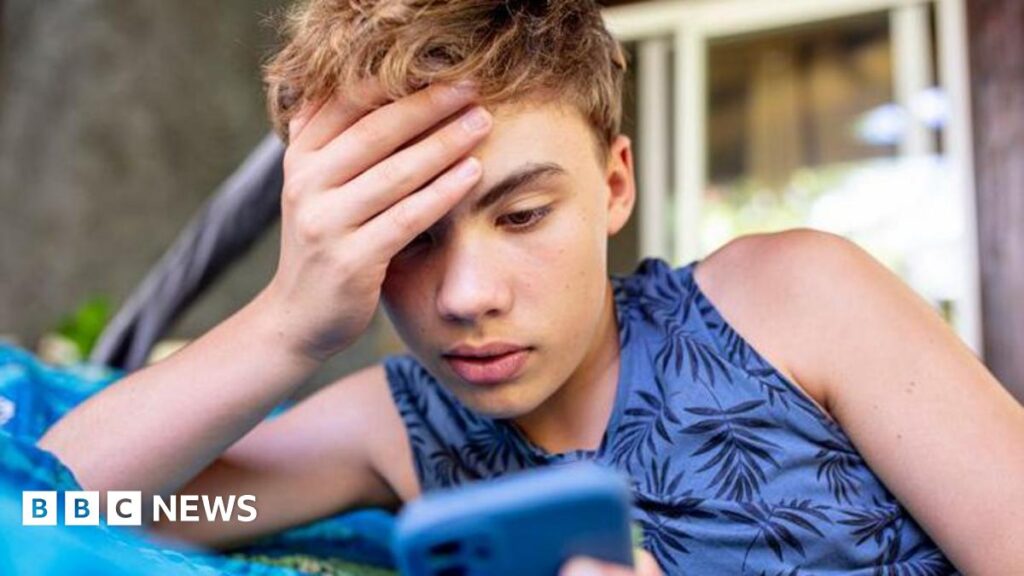
In a groundbreaking move that is being closely watched around the world, Australian Prime Minister Anthony Albanese has officially enacted a law banning social media access for children under 16. This historic legislation follows his announcement last September, which drew inspiration from South Australia Premier Peter Malinauskas, who had proposed the idea of a ban to safeguard the well-being of young Australians.
With bipartisan support, including backing from former opposition leader Peter Dutton, the law passed swiftly through both houses of parliament, culminating in its approval on November 28. This makes Australia the first country to impose such stringent restrictions on social media usage by minors, reflecting growing concerns about the impact of social media on youth mental health and development. Albanese emphasized the intent behind the legislation: “We want our kids to have a childhood and parents to know we have their backs,” he stated during a press conference.
As the clock struck midnight on the morning following the law’s enactment, countless teenagers woke up to find their social media accounts suspended, marking a new era for digital interaction among young Australians. While some adolescents may embrace this change, many others feel their rights are being infringed upon, raising questions about the law's fairness and efficacy.
In the months leading up to the law’s passage, social media companies, including Meta and X, voiced strong opposition. Meta claimed that the legislation would be "ineffective" in achieving its goal of enhancing child safety, while X questioned the overall "lawfulness" of the bill. Their concerns highlight a larger debate about the responsibility of tech firms in regulating content and safeguarding users, particularly minors. Many experts argue that simply restricting access may inadvertently push children toward unregulated areas of the internet, rather than providing a safer environment.
To address implementation challenges, the Australian government has commissioned trials to evaluate age-checking technology, which could effectively enforce the new restrictions. However, skepticism remains regarding its reliability and practicality. Critics of the ban argue that rather than limiting access, tech companies should be held accountable for monitoring and removing harmful content from their platforms.
As this policy unfolds, the implications extend beyond Australia. Countries around the globe are grappling with similar dilemmas on how to protect youth without stifling their rights or pushing them toward more dangerous online environments. The Australian model may serve as a reference point for nations seeking to balance these competing interests, but it also raises vital questions about digital rights and corporate responsibility.
A High Court challenge to the new law is already underway, indicating that this contentious issue is far from settled. As stakeholders from various sectors continue to discuss the best approaches to ensure online safety for the younger population, the world will be watching to see how this unique policy plays out and whether it can indeed fulfill its promises of protection without infringing on personal freedoms.
You Won't Believe What the Longest-Serving White House Usher Reveals About Those Secret Family Scandals!

I Cut My Hyrox Time by 13 Minutes in 6 Months—You Won't Believe What I Discovered!

Is Your Town Next? Shocking Northland Report Reveals Climate Change's Immediate Impact!

Shocking Fall from Grace: ‘Jeopardy’ Champion Arrested for Secret Peeping—What This Means for His 6-Figure Career!

You Won't Believe These 5 Tech Trends Set to Disrupt Your Life in 2026—#3 Will Shock You!

Why NSU's Shocking New Recruit Could Change Everything: Meet Maldonado, the Game-Changer!
You might also like: