
Why 2026 Could See Smartphone Prices Skyrocket: The Shocking Truth Behind Memory Chip Costs!

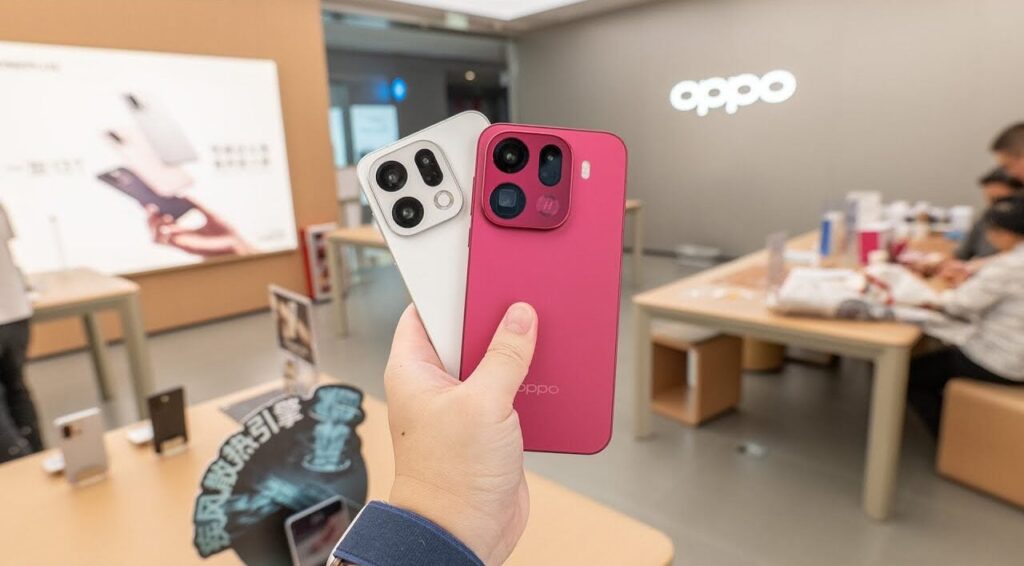
The smartphone market is experiencing significant upheaval in early 2026, largely due to a sharp and sustained rise in memory chip prices. According to well-known tipster Digital Chat Station, the implications of this surge are already being felt across various product segments, notably impacting mid-range devices, which are on the brink of being pulled from shelves, while next-generation flagship models find themselves in developmental limbo.
The pressure on manufacturers extends beyond just increased materials costs. Brands are struggling to adjust their product roadmaps and are forced to rethink launch schedules as suppliers, including major players like Samsung and SK Hynix, have reportedly increased the prices of LPDDR memory by as much as 100%. This situation poses a real challenge for devices in the value segment, with some options released in late 2025 potentially being phased out sooner than expected. Their successors are now projected for launch in mid-2026 or later, and many of these new models are anticipated to come with higher price tags.
Internal teams within various smartphone brands are reportedly viewing new launches as high-risk financial liabilities. In light of this escalating pressure, several companies have already paused development of next-generation flagship phones. Concerns are mounting that some brands might even exit certain regional markets to mitigate losses.
In a related analysis from late January, Digital Chat Station identified the mid-range segment, particularly the 2,000 to 2,500 yuan tier (approximately $275-$345), as the most vulnerable. The evidence of this strain is clear: early Snapdragon 8 Elite phones have quietly eliminated launch discounts, the price disparity between 512GB and 256GB models has widened to over 400 yuan (about $58), and the availability of 1TB variants is dwindling. Some devices are cutting production volumes just weeks after their initial launch, while others are unable to move past prototype stages.
This pricing volatility, coupled with diminishing margins, suggests that 2026 may be less about groundbreaking product innovation and more about survival within the industry. The competitive landscape, which once revolved around specs and features, is shifting towards a battleground focused on how well brands can weather the storm. As the market recalibrates, the question remains: which smartphone brands will still stand when the dust settles?
For more daily updates, please visit our News Section.
Stay ahead in tech! Join our Telegram community and sign up for our daily newsletter of top stories! 💡
U.S. Senate Shockingly Approves Millions for UAFS Health Center—What This Means for Your Family!

British Soccer's Shocking New Rule: Are Headers Really Risking Players' Lives? Find Out Now!

Shocking NBA Trade Deadline: Is Your Favorite Star Really on the Move? Live Updates Inside!

You Won't Believe the 10 Outrageous Shopping Habits Boomers Swear By That Leave Millennials in Shock!

Why 87% of Experts Say Value Will Crush Novelty in 2023—Are You Prepared to Lose?

NRF Just Bet $20 Million on a Quantum Startup—Here's What That Means for Your Future!
You might also like: