
Whoop's Shocking Move: How They Blocked a $1 Billion Rival's Fitness Band - You Won't Believe the Details!

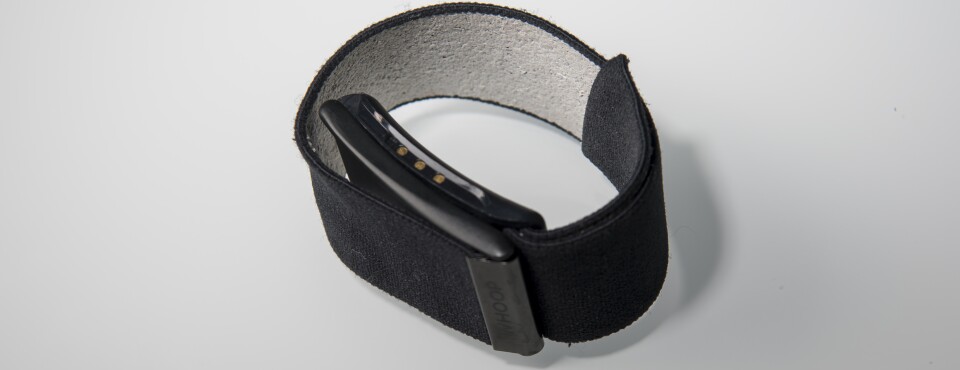
In a significant legal victory for the American fitness technology company Whoop Inc., a federal judge has granted a preliminary injunction that blocks Shenzhen Lexqi Electronic Technology Co., a Chinese manufacturer, from selling its fitness bands. This decision comes as Whoop alleges that Lexqi's products infringe on its trade dress, which is a legal term that refers to the visual appearance and design of a product that signifies its origin.
Judge F. Dennis Saylor IV issued the order on Monday, emphasizing that Lexqi's offerings are likely to cause confusion among consumers due to their “unmistakable similarities” to Whoop's fitness wearables. Saylor noted that, “particularly from a distance, the two devices are virtually indistinguishable.” This ruling not only halts the sale of Lexqi’s products but also underlines the ongoing legal dispute between the two companies as Whoop prepares to pursue its lawsuit further.
At the heart of Whoop's claims is its distinctive trade dress, described by the judge as “a continuous fabric band that wraps over the device (i.e., a faceless device) with thin metal accents on the side.” This specific design has become a hallmark of Whoop's fitness tracker, which aims to provide users with detailed insights into their health and performance metrics. The uniqueness of such designs is critical in the competitive fitness tracking industry, where brand identity can significantly impact consumer choices.
The ruling aligns with a broader trend in the tech industry where companies are increasingly vigilant about protecting their intellectual property. As wearable health technology continues to gain traction, the potential for market confusion and copycat products rises. This case serves as a reminder to consumers and companies alike about the importance of originality in product design. With the global market for fitness wearables expected to reach billions in the coming years, safeguarding unique designs is not just a legal obligation but also a strategic necessity for companies striving to maintain their competitive edge.
While the injunction is a win for Whoop, it also sheds light on the challenges faced by American companies competing against overseas manufacturers. As the lawsuit unfolds, it will be crucial for both companies to navigate these waters carefully, balancing innovation with legal considerations. The outcome of this case may have ramifications beyond just these two entities, potentially influencing how intellectual property is protected in the rapidly evolving landscape of health technology.
As wearable tech continues to intersect with consumers' everyday lives, understanding these legal dynamics will be vital not just for companies like Whoop but also for consumers who rely on these devices to track their health and fitness journeys. With technology advancing at a breakneck pace, the implications of this ruling extend far beyond the courtroom, signaling a pivotal moment in the ongoing battle for brand identity and consumer trust in the fitness technology market.
Giants Stun Fans by Hiring Matt Nagy as OC—What This Means for Their 2026 Season!

You Won't Believe How SciTech is Revolutionizing Digital Health—And Why You Need to Know Now!

These 4 Super Bowl Recipes Will Shock You - One Ingredient Could Ruin Your Party!

Don’t Miss the Epic Showdown: Boston College vs. Duke - Here’s Where to Catch Every Heart-Stopping Moment!

Is This Startup Science's $100 Million Community Investment Scheme About to Disrupt Your Future?

You Won't Believe How the NFL Draft Will Transform Pittsburgh—Shocking Changes Revealed!
You might also like: