
White House's Shocking New ASL Policy: Are Millions of Deaf Americans Losing Access?

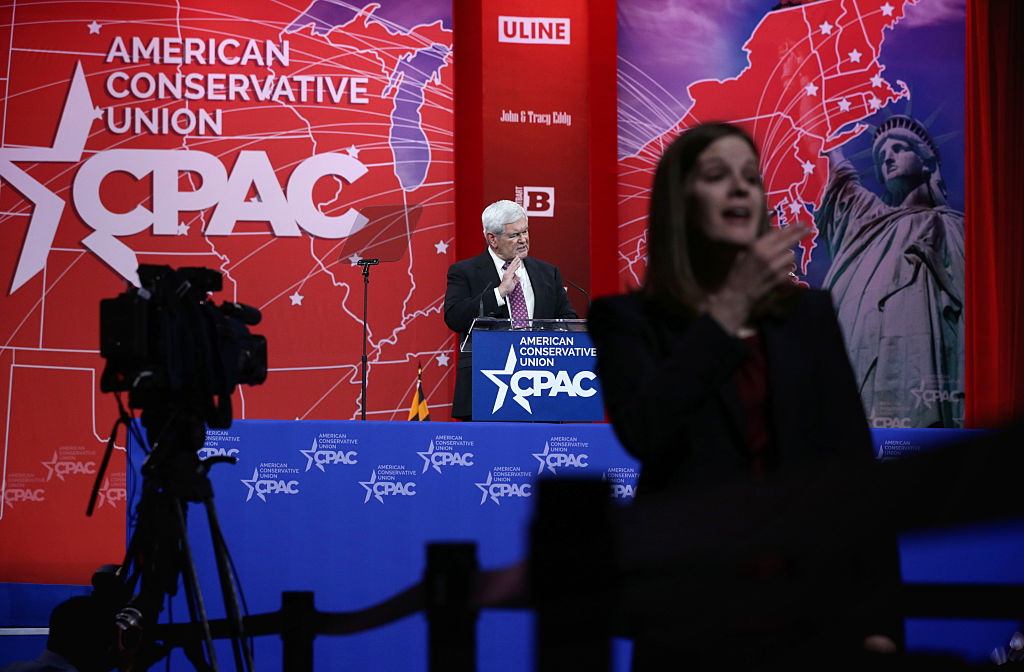
The Trump White House is currently under fire for its decision to discontinue real-time American Sign Language (ASL) interpretation at numerous official events. This move has reignited a heated discussion about accessibility for the deaf and hard-of-hearing communities, raising alarm among disability advocates who argue that such actions violate federal disability laws designed to ensure equal access to government information.
Advocates contend that the absence of ASL interpreters limits the ability of deaf and hard-of-hearing Americans to fully engage in civic life. Under the Americans with Disabilities Act (ADA), government entities are mandated to provide reasonable accommodations that facilitate public access, particularly during live announcements tied to public safety, health, and governance. The implications of this legal requirement extend beyond mere compliance; they underscore a fundamental right to accessible information in a democratic society.
This situation unfolds amidst a broader cultural moment in which issues of accessibility are becoming increasingly politicized. A recent example includes Senator Marco Rubio's dismissal of the “Calibri” font in federal documents, which he labeled "woke." This font is widely recognized for its readability, especially for individuals with visual impairments, but the senator's comments reflect a growing narrative that frames accessibility efforts as unnecessary or excessive.
Disability advocates argue that such perspectives demonstrate either a profound misunderstanding or an outright dismissal of the essential role accommodations play in society. They emphasize that ramps, captions, readable fonts, and ASL interpreters are not mere preferences but crucial requirements aimed at leveling the playing field for individuals with disabilities. The removal of these accommodations can be seen as a regression in the ongoing fight for civil rights for all citizens.
Adding to the urgency of the situation, a federal judge has already ruled that ASL interpretation must be provided at events with advance notice. This ruling places additional pressure on the current administration to revisit its practices regarding accessibility. As the legal battle continues, advocates are sounding the alarm that accessibility is increasingly treated as an inconvenience rather than a civil right. This shift, they warn, carries consequences that extend far beyond the confines of a single White House briefing.
The conversation around accessibility also touches on how society perceives the needs of individuals with disabilities. While the ADA has laid the groundwork for inclusivity, it appears that the political landscape is increasingly characterized by a reluctance to embrace these principles. Advocates argue that this resistance not only hinders progress but also undermines the very fabric of democracy by excluding a significant segment of the population from civic engagement.
In the wake of these developments, it is critical for citizens to understand the implications of this shift in policy. The fight for accessibility is not merely about compliance; it is a battle for recognition and respect for the rights of all individuals, regardless of their abilities. As discussions around accessibility continue to evolve, the need for active engagement from the public becomes increasingly vital. Ensuring that all Americans can participate fully in civic life is not just a legal obligation, but a moral imperative that speaks to the core values of equality and justice.
Ultimately, the discourse surrounding ASL interpretation and accessibility serves as a crucial reminder of the ongoing challenges faced by the disability community. As advocacy efforts ramp up, it becomes clear that the path forward will require not only legal battles but also a cultural shift in how we view and value accessibility in our society.
You Won't Believe How St. Aloysius Shocked Everyone with a Stunning 2-0 Victory Over Greenville St. Joe!
You Won’t Believe What This Celebrity Did—Legal Troubles Could Cost Them Millions!

You Won't Believe What the IT Minister Just Unveiled: Is Your Startup Missing Out on THIS?
You Won't Believe What Happens Next: The Shocking Truth Behind This Disappearing Request!

Knicks' OG Anunoby SHOCKS Fans with 3-Word Response to Bane—You Won't Believe What He Said!
Alabama’s Hidden Crisis: How Skyrocketing Health Insurance Costs Are Crushing College Budgets!
You might also like: