White House’s Shocking Justification for Striking Drug Boat: What They Won’t Tell You!

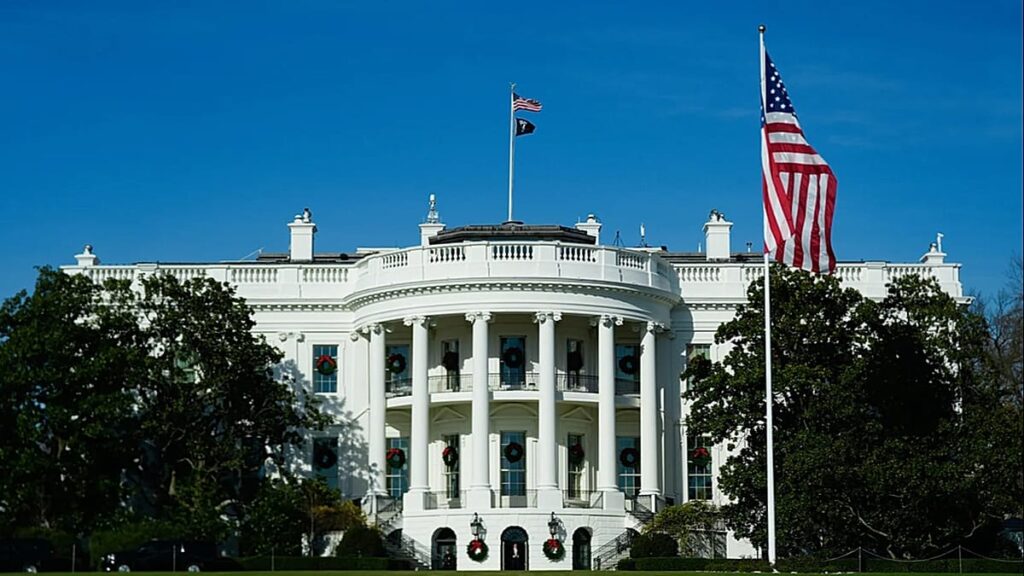
The White House affirmed on Monday that Navy Admiral Frank “Mitch” Bradley acted “within his authority and the law” when he ordered a second military strike on a vessel suspected of drug smuggling in the Caribbean Sea during a controversial operation in September. This clarification comes amid escalating bipartisan scrutiny regarding the legality and ethics of U.S. military operations targeting alleged drug traffickers in the region.
White House press secretary Karoline Leavitt stated that Defense Secretary Pete Hegseth had authorized Admiral Bradley to conduct the “kinetic strikes,” emphasizing that the aim was to eliminate a threat to the United States. “Admiral Bradley worked well within his authority and the law, directing the engagement to ensure the boat was destroyed and the threat to the United States of America was eliminated,” Leavitt remarked. Notably, her comments did not dispute a report from the Washington Post that indicated there were survivors following the initial strike.
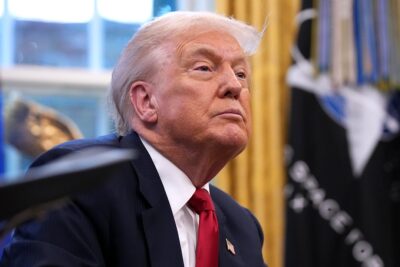
The incident, which has drawn significant attention, was publicly critiqued by President Donald Trump, who expressed disapproval of the second strike, stating he “wouldn’t have wanted that—not a second strike.” This response has further fueled debate among lawmakers, with some questioning the legality of the follow-up actions that allegedly resulted in the deaths of survivors onboard.
Admiral Bradley, who was promoted to commander of U.S. Special Operations Command shortly after the September operation, is scheduled to provide a classified briefing this Thursday to lawmakers overseeing military operations. In a show of support, Secretary Hegseth issued a statement late Monday, praising Bradley as “an American hero” who has his “100% support” regarding the decisions made during the September mission.
Congress Seeks Clarity
As concerns about the Trump administration’s military actions intensify, Congress is demanding answers. Lawmakers from both parties expressed alarm over the details that emerged following the Washington Post report, which raised critical questions about the broader strategy in the region, especially concerning Venezuelan President Nicolás Maduro’s alleged links to drug cartels.
Senate Majority Leader John Thune defended the operations, echoing the administration’s stance that these military strikes are necessary to combat the flow of illegal narcotics into the United States. Conversely, Senate Democratic Leader Chuck Schumer described Secretary Hegseth’s response as a “national embarrassment” and has called for the release of video footage of the strike, alongside a request for Hegseth to testify under oath. Meanwhile, Republican Senator Roger Wicker of Mississippi, chair of the Senate Armed Services Committee, has vowed that his panel will conduct a thorough investigation, promising a factual examination of the situation.
In the wake of these developments, President Trump convened his national security team on Monday to discuss ongoing operations and potential future actions against Venezuela. The administration claims that these military strikes target drug cartels that it alleges operate under Maduro’s control. Trump also confirmed that he had recently spoken with Maduro but did not disclose details from their conversation.
Maduro, addressing his supporters in Caracas, claimed that U.S. pressure has tested Venezuela but asserted that citizens are prepared to defend their nation. “We have lived through 22 weeks of aggression that can only be described as psychological terrorism,” he stated, highlighting the tense geopolitical atmosphere in the region.
The controversial strike in September is part of a series of military actions by the U.S. in the Caribbean Sea and eastern Pacific Ocean, coinciding with the Trump administration’s decision to bolster naval forces near Venezuela, including deploying the largest U.S. aircraft carrier. Reports indicate that over 80 individuals have been killed in these strikes, raising serious ethical and legal questions about the conduct of U.S. military operations in the region.
As the situation unfolds, it remains to be seen how Congress will respond to the findings from Admiral Bradley’s upcoming briefing and what implications this will have for U.S. foreign policy in Latin America, particularly in relation to the ongoing crisis in Venezuela.
Trump's Shocking Ultimatum: What Will Happen If Honduras Changes Election Results?
Nevada's New Crime Bill: Shocking DUI Penalties & Smash-and-Grab Consequences You Won't Believe!
Why This Year's UN Climate Summit Could Be the Last Chance to Save Our Planet!
Australia's Bold Move Against Tech Giants: Is Your Privacy at Risk? Find Out Now!

Paramount+ Shocks Fans! Arsenal Deal Promises Unseen Soccer Secrets—Are You Missing Out?

Trump's SHOCKING Phone Call: What He Revealed Before Tennessee's Critical Election!
You might also like: