
White House's Shocking Delay on CDC Pick: What Does Dr. Bhattacharya Know That We Don't?

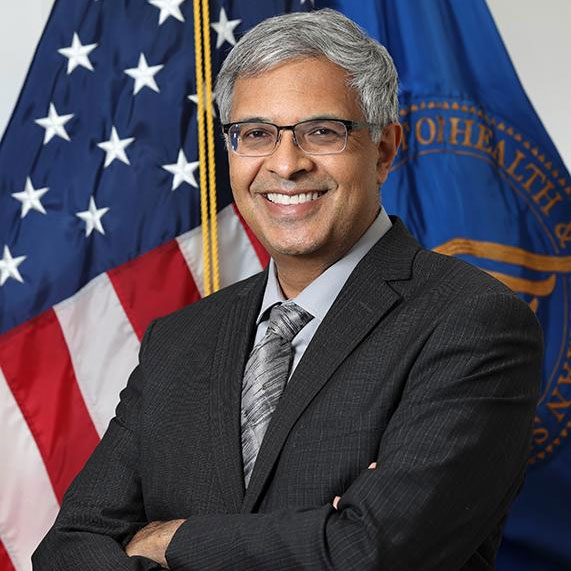
The White House is currently navigating a complex landscape in the search for a new director of the Centers for Disease Control and Prevention (CDC). As the Trump administration faces increasing political and operational challenges, officials have decided to delay the nomination process for this critical position. Jay Bhattacharya, the head of the National Institutes of Health, has temporarily stepped in as the acting CDC director since last month, but due to the expiration of rules governing temporary appointments, he will no longer hold that title after Wednesday.
Despite stepping back from the official title, Dr. Bhattacharya will continue to oversee the CDC's essential functions, performing the delegable duties of the director, according to Andrew Nixon, a spokesperson for the Department of Health and Human Services (HHS). The CDC, which is the nation's leading public health agency with an annual budget of approximately $9 billion, has faced significant challenges, including a growing measles outbreak and an increase in vaccine-preventable diseases. The agency has been without a permanent leader since late August, a situation that has raised concerns about its ability to effectively respond to public health crises.
The search for a new director has been complicated by mounting controversies surrounding the administration's health policies. In an effort to stabilize leadership within HHS, the White House appointed Chris Klomp, a health care businessman turned government official, as the operational leader. Klomp has been actively involved in evaluating candidates for the CDC director position, working alongside Secretary Robert F. Kennedy Jr. to identify individuals who align with the administration's objective of restoring the CDC's original mission of combating infectious diseases.
Among the candidates under consideration are former Kentucky Governor Ernie Fletcher, Mississippi health director Daniel Edney, and Johns Hopkins cardiologist Joseph Marine. Reports indicate that about half a dozen individuals are being seriously evaluated, as the administration aims to finalize a nominee before Bhattacharya's appointment as acting director expires.
The Trump administration's caution is evident, especially with the upcoming midterm elections. Officials are wary of unsettling voters who are already anxious about the effects of Secretary Kennedy's policies on childhood vaccinations. Kennedy's controversial decisions, which include reshaping federal vaccine policy and disrupting the childhood immunization schedule, have drawn significant criticism. However, his base also exerts considerable political influence, creating a delicate balancing act for the administration.
Last week, a federal judge temporarily halted changes to the vaccine schedule and the reconstitution of the CDC's advisory panel, emphasizing procedural violations that have placed the future of the CDC's vaccine guidelines in jeopardy. This legal uncertainty compounds the challenges faced by the agency, which has experienced high leadership turnover, including the recent dismissal of CDC Director Susan Monarez, who served as both acting and permanent director for a brief period.
The ongoing leadership vacuum at the CDC has raised alarms about the potential impact on public health initiatives. Former leaders and public health experts express concern that political pressures are undermining the scientific independence of the agency. With morale reportedly declining and employees leaving through buyouts, retirements, and layoffs, the CDC is grappling with the increasing difficulty of fulfilling its core mission amid a backdrop of controversy and staffing challenges.
As the White House continues its search for a permanent CDC director, the implications for public health policy and practice remain significant. The new director will need to navigate a complex and often contentious political landscape while restoring confidence in an agency that has seen its credibility questioned during a critical period for public health.
Protesters Descend on NIH: You Won't Believe What They Demanded Amid Shocking Cuts!

You Won't Believe What the Samsung Galaxy S26 Can Do – Available Now for Just $899.99!

You’ll Never Guess Which 30 High-Protein Snacks Can Keep You Full for Hours—Dietitians Spill the Secrets!

Trump's Shocking Plan to Use ICE Revealed at Boston Rally—Is Your Vote Safe?
Is This Celebrity's Shocking Legal Battle Hiding a Secret Worth Millions? You Won't Believe What Happens Next!

“Easter Shock: Activists Demand Potatoes Over Eggs! What’s Behind This Controversial Move?”
You might also like: