
White House Faces Backlash: Are They Really Celebrating War Crimes? Shocking Truth Revealed!

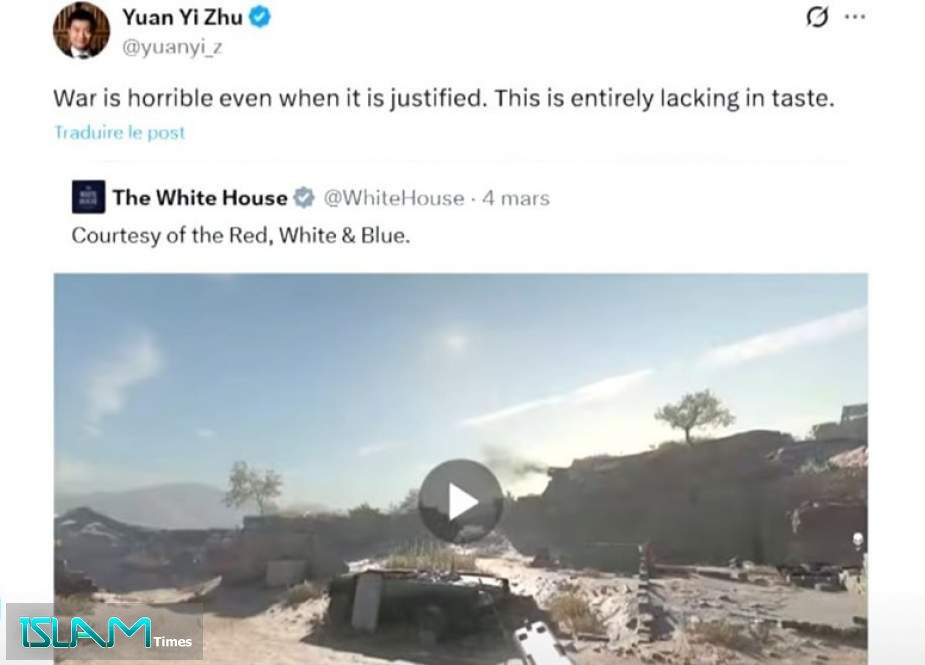
The White House has come under fire following the release of a controversial video montage that has drawn widespread condemnation for its perceived glorification of U.S. military actions, particularly airstrikes against Iran. The 42-second video, shared on social media platform X, opens with a scene from the film Iron Man, featuring the line "Wake up, Daddy’s home," which some believe may reference a statement made by NATO chief Mark Rutte regarding former President Donald Trump. The montage quickly transitions into a series of clips that juxtaposes Hollywood action heroes—such as Tom Cruise in Top Gun: Maverick, Mel Gibson in Braveheart, Russell Crowe in Gladiator, Bryan Cranston in Breaking Bad, and Keanu Reeves in John Wick—with actual footage of U.S. military airstrikes targeting Iranian sites.
This disturbing amalgamation of fictional cinematic heroism and real-world violence has raised significant ethical concerns. Critics argue that it dehumanizes the victims of war and trivializes the gravity of military actions that have resulted in loss of life. Among those voicing their disapproval is actor and filmmaker Ben Stiller, who publicly objected to the use of a clip from his 2008 satirical film, Tropic Thunder. In a post on X, Stiller stated, "We never gave you permission and have no interest in being part of your propaganda machine. War is not a movie."
The release of this controversial montage coincides with the somber remembrance of a tragic incident involving U.S. airstrikes on the Minab School in Iran, which resulted in the deaths of 168 innocent children—an atrocity that has largely remained absent from mainstream Western media discussions. As the world reflects on this dark chapter in history, the timing of the White House's video raises critical questions about the ethical implications of merging entertainment with real-life violence.
As the conversation around military actions and their representation in media evolves, this incident illustrates a growing tension between the portrayal of war in popular culture and the stark realities faced by those affected by such conflicts. The White House's decision to release the montage appears to be an attempt at a narrative that paints military actions in a favorable light, but it seems to have backfired, as many argue it promotes a dangerous normalization of violence.
This incident further exemplifies how the intersection of entertainment and military propaganda can lead to public desensitization toward the consequences of armed conflict. As debate continues, the role of social media in shaping perceptions of war is increasingly under scrutiny, prompting a broader discussion about the responsibilities of both government entities and filmmakers in how military engagements are portrayed.
The backlash against the montage also raises critical questions about transparency and accountability in military actions. As Americans engage with content that shapes their understanding of global conflicts, the ethical responsibilities of those who produce such content, including government officials, are increasingly coming to the forefront. This incident serves as a reminder of the need for a more nuanced and responsible approach to discussing and depicting military actions, especially in a time when public sentiment can be heavily influenced by the narratives presented through media.
As the discourse around this video continues to unfold, it remains vital for American citizens to critically engage with the media they consume, questioning the narratives that may seek to simplify complex and often painful realities into palatable entertainment. The implications of this montage, both in its content and the public reaction it has sparked, underscore the importance of remembering the human cost of war, particularly in a global landscape fraught with tension.
You Won't Believe What Pepeto Just Did: Ethereum's New Binance Smart Chain Move Could Change Everything!
Is Your City on the Verge of an Environmental Catastrophe? Shocking Climate Updates You Can't Miss!
Lionel Messi & Donald Trump: A White House Ceremony Spirals into Shocking Iran War Chaos! What Happened Next?

I’m Racing Against Time for My Unborn Son’s Life: Can You Help Save Him From This 90% Fatal Heart Defect?

Shocking 85% Turnout in Student Council Election – What’s Fueling This Unprecedented Shift?

You Won't Believe How Many Fans Are Storming Baltimore for the Epic DC United vs Inter Miami Clash!
You might also like: