
What Are They Hiding? 5 Shocking Barriers Keeping Women Out of Climate Leadership!

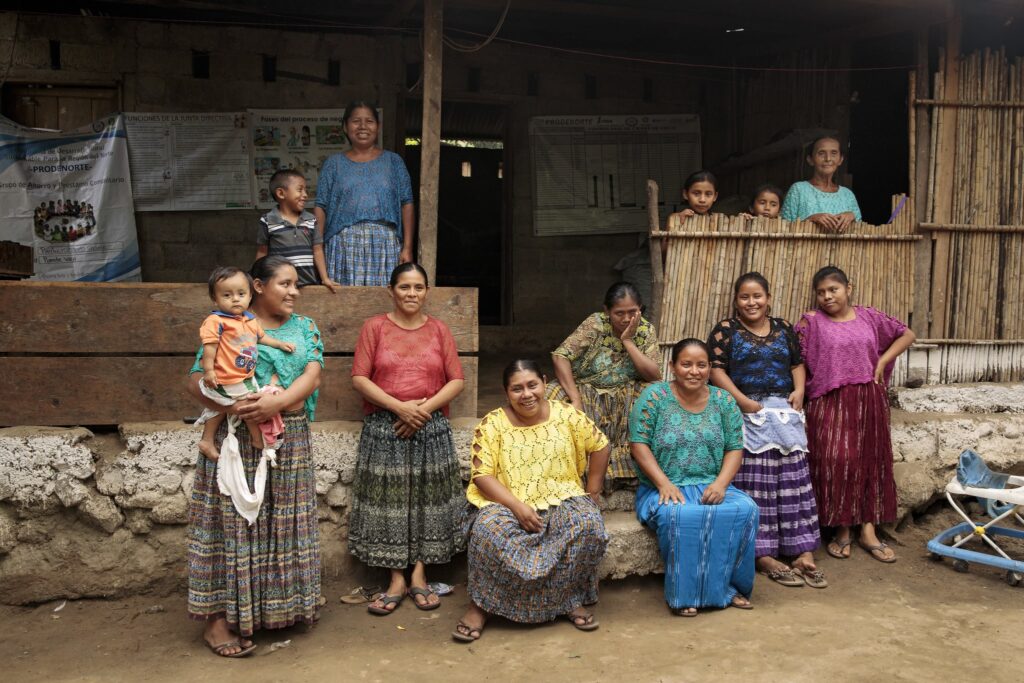
Women in STEM: Pivotal to Climate Justice Yet Often Overlooked
Women are crucial players in the battle against climate change, yet they continue to be systematically sidelined from shaping a sustainable future. In advanced economies, only 6% of women hold green jobs compared to 20% of men. This stark gender gap directly inhibits effective climate solutions, especially since research indicates that climate policies are significantly more impactful when women are involved. So why does this disparity persist?
📰 Table of Contents
Disproportionate Vulnerability
Women constitute a staggering 80% of those displaced by climate change, facing heightened risks of gender-based violence and sexual assault as refugees. Moreover, women often have less access to essential survival skills such as swimming and climbing, which can be critical during natural disasters like floods. Evidence also suggests that climate change exacerbates issues like maternal mortality and stillbirths, adding to the already heavy toll on women's health and safety.
Focusing on the Asia-Pacific (APAC) region, which accounts for 70% of global internal displacements due to climate change, the need for women's involvement in climate leadership becomes even more urgent. Despite the dire circumstances, the representation of women in green jobs remains alarmingly low.
From very early on, societal conditioning and discrimination create barriers for women interested in STEM (Science, Technology, Engineering, and Mathematics). Stereotypes suggesting that boys excel in math and science start as early as five years old. This “stereotype threat” can significantly hinder girls' performance, as studies show that when a test is labeled “drawing” instead of “geometry,” girls tend to outperform boys.
In Japan, biases in education can lead teachers to recommend physics classes predominantly to boys. Meanwhile, in Hong Kong, girls invest substantially more time and resources in tutoring for math and STEM electives (77% versus 63% for boys), yet their confidence often lags behind. Girls with the same STEM interests as boys are 54% less likely to pursue these subjects in higher education, creating what is known as the “leaky pipeline effect” where talent is lost before it can flourish.
Even among women who persist in STEM fields, challenges continue. Data from the Chinese Academy of Sciences indicates that only 6% of female fellowship candidates are elected, compared to 11% of their male counterparts. Women must often achieve higher accomplishments to gain recognition, and they are less likely to receive credit in publications or patents, further discouraging their participation in academia.
Adding to these challenges, women in mainland China and Hong Kong are responsible for 2.5 to 4 times more household labor than men, which can impact their career trajectories. Despite these daunting odds, an impressive 87.5% of women scientists advocate for other women to enter STEM fields.
Strategies for Empowerment
STEM skills are essential for sustainable development, equipping individuals with the strategies required to tackle complex and interconnected problems. As climate change worsens, the demand for innovative green solutions will only increase. Women currently represent only 33% of the global green talent pool, but studies show that companies with three or more female directors enjoy 55% higher Environmental, Social, and Governance (ESG) ratings. Influential figures like Jane Goodall and grassroots activists, such as Indigenous women from Standing Rock, exemplify women's leadership in the fight against climate change.
The question remains: how can we better support women in STEM to ensure they play a pivotal role in climate justice?
Addressing internal biases in educational settings is a vital first step. Celebrating female scientists and providing relatable role models for young girls can inspire a new generation to explore STEM. Additionally, governments and corporations must offer scholarships and funding for women-led research initiatives while creating mentorship programs to help women in STEM connect and support one another.
Upskilling opportunities for women transitioning into green careers must also be a priority. Global examples can guide these efforts; Vietnam has adopted policies to empower female researchers, while China's Keyan Return Plan helps researchers reintegrate after maternity leave, promoting a “birth-friendly society” alongside a robust scientific talent pool. In Hong Kong, organizations like The Women’s Foundation provide mentorship and community engagement through events like the Green Women Festival.
Asia stands at a pivotal moment where gender equality and climate justice can be interwoven to create lasting change. Although progress is evident, the pace of reform must accelerate. By systematically reducing barriers for women in STEM, we not only enhance innovation but also prove that women often excel in sustainability-focused roles. Their involvement is not just beneficial but essential for crafting effective climate policies.
As we move forward, supporting and empowering women in STEM is crucial not only for gender equality but also for the broader fight against climate change that affects us all.
—
Earth.Org is the media sponsor of the Green Women Festival 2026, an anticipated event celebrating sustainability, gender equality, and women’s leadership. The festival will take place on April 18-19, 2026, at Eaton HK, featuring impactful discussions, hands-on workshops, and spaces that promote community and climate action.
About the author: Ava Abreu is a fourth-year student in the World Bachelor in Business Program, pursuing degrees from the University of Southern California, the Hong Kong University of Science and Technology, and Bocconi University. Her experience as a sustainability intern at Encompass HK fuels her passion for illuminating the intersection between environmentalism and gender equality.
Why Wearing a Wristwatch in a Smartphone Era Reveals a Shocking Truth About Your Life Choices!

44M XRP Vanishes from Binance—What Ripple's Shocking Deal with Aviva Means for You!

You Won't Believe Tyler Huntley's Shocking Two-Year Ravens Deal—What This Means for Baltimore's Future!

You Won't Believe How PopSockets' Founder Nearly Lost Everything Before His Epic Comeback!
Gov. Mills Just SHOCKED Everyone with Her Response to Dr. Oz's Urgent MaineCare Data Request! What’s at Stake?
You Won't Believe What Instagram Just Did—This Shocking Change Could Cost You Followers!
You might also like: