
Vivek Ramaswamy's SHOCKING Move: Why He Erased His Social Media Before the Governor's Race!

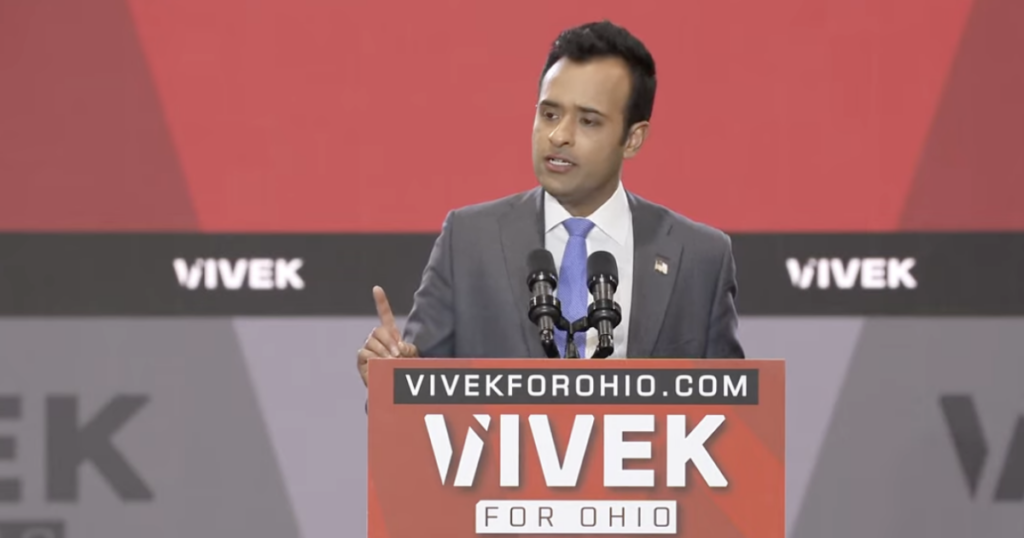
Vivek Ramaswamy, the Ohio GOP-endorsed gubernatorial candidate, has taken a bold step in his political campaign by deleting social media apps from his phone. His decision reflects concerns about how these platforms can distort his understanding of voter sentiment. Ramaswamy's campaign has largely been conducted online, where social media serves as a critical and cost-effective tool for reaching voters. However, he argues that this very tool can warp reality, leading to misconceptions about public concerns.
In a recent op-ed for the Wall Street Journal, Ramaswamy stated, "It’s too easy to get a distorted sense of the public’s concerns." He pointed out that social media often creates a "coordinated influence that hides behind armies of avatars," which can provide a misleading impression of grassroots support. His reflections are shared by digital consultant Tex Fischer, who has worked extensively with politicians as a social media ghostwriter. Fischer warns that while social media can amplify voices, it can also trap users in "the wrong side of an echo chamber," resulting in harassment rather than constructive discourse.
Fischer, who is also a Republican state lawmaker, emphasized the need for political figures to develop a thick skin and know when to step away from their screens. This is precisely what Ramaswamy is doing. The candidate's withdrawal from direct social media engagement may signify a growing awareness among politicians about the potential pitfalls of these platforms. As Fischer noted, "None of us are immune to making mistakes or slipping up," underscoring the high stakes involved in political communication today.
Ramaswamy's caution is not unfounded. In December, he faced a barrage of racist slurs on social media, stating, "My social media feeds are littered with hundreds of slurs, most from accounts that I don’t recognize." His opponent, Democratic candidate Amy Acton, has similarly encountered severe backlash during her tenure as Ohio's health director, particularly during the pandemic. Acton, who has faced both online and offline protests, maintains pride in her public service, asserting, "I'm incredibly proud of the work that Governor DeWine and I did." Yet, as Ramaswamy's campaign has shown, the online landscape is fraught with challenges that can amplify negativity.
Critics of Ramaswamy, particularly from within Republican circles, have pointed to moments in his campaign that have backfired. One notable incident occurred when Ramaswamy implied that American culture has "venerated mediocrity over excellence," suggesting that tech companies prefer foreign-born engineers over U.S. citizens. This sentiment was received poorly, with Acton's spokesperson, Addie Bullock, quipping, "Turns out calling Ohioans lazy and mediocre doesn’t go over very well.”
Another controversial statement from Ramaswamy included a video posted on the app Threads, where he advocated for year-round school until 4 p.m. to address the childcare crisis. The backlash was swift, leading to the removal of the post, which illustrates the fine line candidates must navigate in conveying their policies.
Looking ahead, Ramaswamy's campaign plans to continue posting content on his behalf, but he will no longer engage with social media personally. Fischer advocates for a balanced approach to social media use among politicians, stating the key is to treat it "in a mindful and balanced way." The long-term effectiveness of Ramaswamy's strategy remains uncertain, but it highlights a growing trend where candidates are reconsidering their relationship with social media.
As the campaign unfolds, the implications of Ramaswamy's strategy will become clearer. Will this departure from social media strengthen his connection with voters, or will it hinder his ability to engage with them? Only time will tell how this bold move affects his campaign trajectory and the broader political landscape in Ohio.
CES 2026: 7 Shocking Innovations from LG, Samsung, and Lego You Can't Afford to Miss!

Michigan Doctors SOUND ALARM: Trump's Vaccine Cuts Could Endanger 1 Million Lives—Find Out How!

Dionne Warwick, Saweetie, and Mya Just Made a Shocking Climate Change Pledge—Will It Change Everything?
New York's Shocking Vaccination Secret: Why Parents Are Fuming Over the Latest Changes!

You Won't Believe What Vievé's New Protein Bars Are Hiding—This Could Change Your Snacking Forever!
Is Your Favorite Fitness Brand on the Verge of Collapse? Shocking 2026 Predictions Inside!
You might also like: