
Vietnam's Low-Altitude Economy is Booming—Are You Missing Out on This $10 Billion Opportunity?

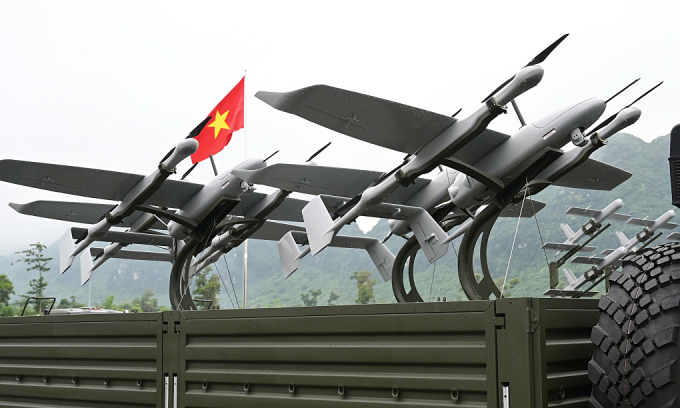
The concept of the **low-altitude economy** is becoming increasingly pivotal in various sectors, particularly as it encompasses economic activities conducted in airspace below 1,000 meters. This emerging market primarily involves **unmanned aerial vehicles (UAVs)**, small aircraft, and helicopters, complemented by sophisticated control systems and air traffic management. This ecosystem not only supports production and daily life but also signifies a transformative shift in how industries operate.
Several sectors, including **logistics**, **agriculture**, **surveying**, **environmental monitoring**, **search and rescue**, and **emergency health care**, are rapidly adopting UAV technology. The potential benefits are substantial: enhanced productivity, reduced costs, shorter processing times, and the creation of new industries and jobs. These advancements can significantly streamline operations and expand service supply chains, making this technology a crucial area of focus.
As urban areas grow denser and remote regions remain challenging to serve, UAVs provide effective solutions to many logistical and infrastructural challenges. With smart aerial devices facilitating real-time data collection, organizations can improve governance and decision-making processes and bolster **digital transformation** across various industries.
According to **Hoang Anh Tu**, the **Deputy Director of the Department of Science, Engineering and Technology** under Vietnam's **Ministry of Science and Technology (MoST)**, a national strategy aimed at UAV development and application has been submitted to the Politburo. The plan envisions a comprehensive framework for UAV technology through 2030, extending to 2045. Many domestic enterprises are already engaged in testing, producing, and developing UAVs, indicating a growing commitment to harnessing this technology.
The strategy emphasizes that mastering UAV technology is essential for building a new high-tech industry and achieving technological autonomy. Specific goals include researching and mastering core components such as **flight controllers**, **edge AI chips**, **data transmission systems**, and operational software. The government plays a critical role in shaping demand and piloting applications while encouraging enterprises to drive innovation and enhance global competitiveness.
Furthermore, a national UAV application program is currently being formulated, targeting key areas like **smart agriculture**, **logistics**, **smart cities**, **energy infrastructure**, and **defense-security**. Plans are also in motion to establish three national UAV testing zones in major industrial, agricultural, and urban areas to assess these technologies before wider deployment.
The MoST has underscored the need for a robust legal framework, including national standards and technical regulations that govern safety, operations, and the management of low-altitude airspace. Furthermore, requirements concerning data security and remote identification are also critical components of this initiative.
Overall, the development of the low-altitude economy through UAV technologies represents not just a technological advancement but also a strategic move towards building a resilient and competitive industrial landscape. As various sectors increasingly integrate UAVs into their operations, the implications are profound—ranging from enhanced efficiency to the creation of jobs, ultimately contributing to economic growth and improved public services.
This 64-Year-Old Couple's Shocking $22K Health Bill: Will They Retire Now or Regret It Later?

Jemma Solomon's $50K Luxury Dream Crumbles: Is She Blaming Stacey or Herself? Find Out!

You Won't Believe What Happens at This Year’s 3rd Annual Black Maternal Health Walkathon—Join Before It's Too Late!

$5 Billion AI Data Center Threatens Historic Family Cemetery—What Happens Next Will Shock You!

Medical Intern Suspended for Revealing Patient Secrets on Social Media: What Did They Expose?

Memorial Hermann's Shocking New Deal with BCBSTX: What This Means for Your Healthcare Costs!
You might also like: