
UT's Shocking New Free Tuition Offer: Will Texas Health Students Miss This Life-Changing Chance?

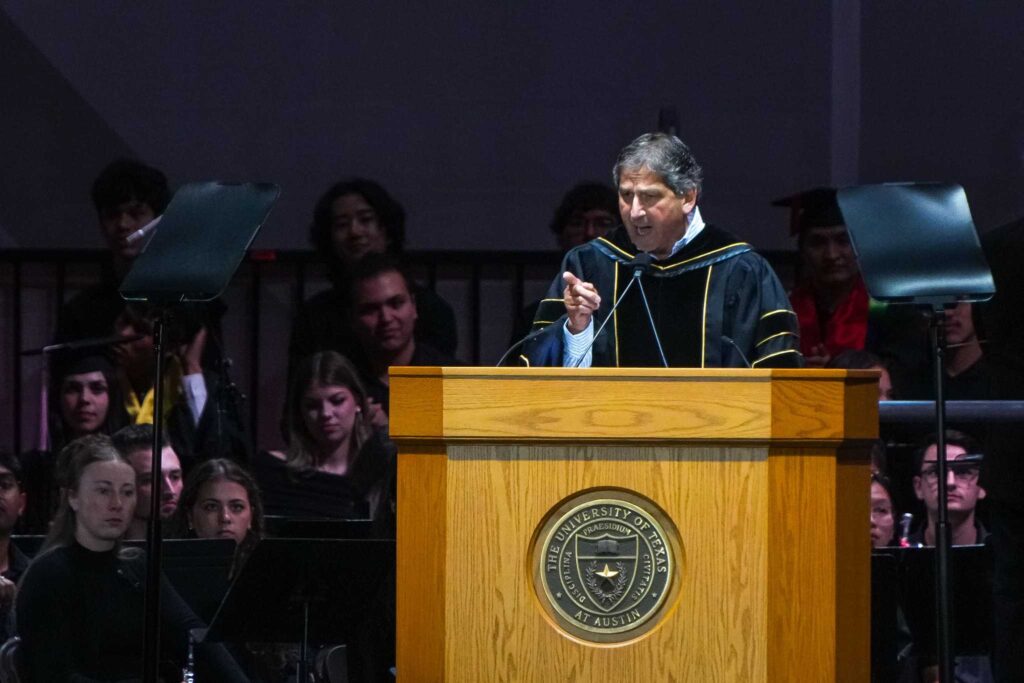
In a significant move that reflects its commitment to expanding access to education, the University of Texas (UT) System has extended its Promise Plus scholarship program to include undergraduate students at its health institutions. Last year, UT regents made headlines by promising to cover tuition for Texas students from households with a combined income of $100,000 or less, but this initiative was initially limited to its nine academic institutions. The recent approval marks a notable expansion, aiming to bolster the state's healthcare workforce in response to rising demands.
“By extending Promise Plus to UT health institutions, we are investing in the state’s healthcare workforce,” said University of Texas System Chairman Kevin Eltife in a statement. The new initiative aligns with the pressing need for healthcare professionals, particularly as Texas faces unprecedented healthcare demands due to a growing population.
Under the Promise Plus scholarship program, eligible students must be Texas residents, full-time attendees, and demonstrate unmet financial need. The program aims to bridge gaps left by federal, state, or private aid for those with annual gross combined incomes of $100,000 or less. Funding for this expansion will be drawn from the existing Promise Plus Endowment, which began with a $300 million investment in 2022, supplemented by an additional $35 million from the system's Available University Fund.
With over 254,000 students enrolled across its institutions, the UT System plays a crucial role in educating Texas’s future health professionals. According to the Texas Hospital Association, the demand for healthcare services has never been higher, with less than adequate staffing to meet these needs. The UT System is responsible for training more than half of the state's healthcare workforce and treating over 2.4 million Texans annually, according to Eltife.
The system encompasses five dedicated health institutions: UT Southwestern Medical Center, UT Medical Branch at Galveston, UT Health Science Center at Houston, UT Health Science Center at San Antonio, and the UT MD Anderson Cancer Center in Houston. This expansion of the Promise Plus initiative is seen as a strategic move to enhance educational accessibility in high-need areas, particularly as healthcare continues to evolve.
In addition to the scholarship program, Eltife announced that regents are exploring larger sites for the future UT Academic Medical Center. Plans are underway to identify land closer to the Domain in north Austin, aiming for a long-term vision for this major initiative. Originally slated to break ground in 2026 at the site of the now-demolished Erwin Center, the new $2.5 billion project will integrate research from UT with the Dell Medical School and MD Anderson Cancer Center, positioning UT at the forefront of healthcare innovation.
“We’re not just building an integrated academic medical center; we’re building a district for the future,” Eltife emphasized. This ambitious project, hailed as “one of the biggest projects of this generation,” underscores the UT System's leadership in addressing healthcare challenges through education and research.
This expansion of the Promise Plus program, coupled with the ambitious plans for the new medical center, highlights the UT System's proactive approach to not only meet the immediate educational needs of Texas students but also to prepare the state for future healthcare challenges. As the landscape of healthcare continues to evolve, initiatives like these are essential for sustaining a robust and qualified healthcare workforce in Texas.
Taylor Swift’s Shocking Tribute to Elizabeth Taylor: You Won’t Believe What’s Happening!

Elon Musk's Shocking Real Estate Secret: How YOU Can Invest Without Owning Property! Don't Miss Out!

Bosnia’s Future Hangs in the Balance: Shocking Secrets Behind Dodik’s Successor Vote!

Tim Ryan Drops Out of Ohio Governor Race—What’s His SHOCKING Next Move? Here’s What You MUST Know!

Kiyosaki's Shocking Crypto Warning: Is Your Fintech Startup Doomed Without This Insight?

Europe’s Alarming Countdown: Is China’s Bus Tech a Hidden Security Threat? Shocking Revelations Inside!
You might also like: