
US Set to Cut Ties with 50 Global Organizations—What This Means for Your Future!

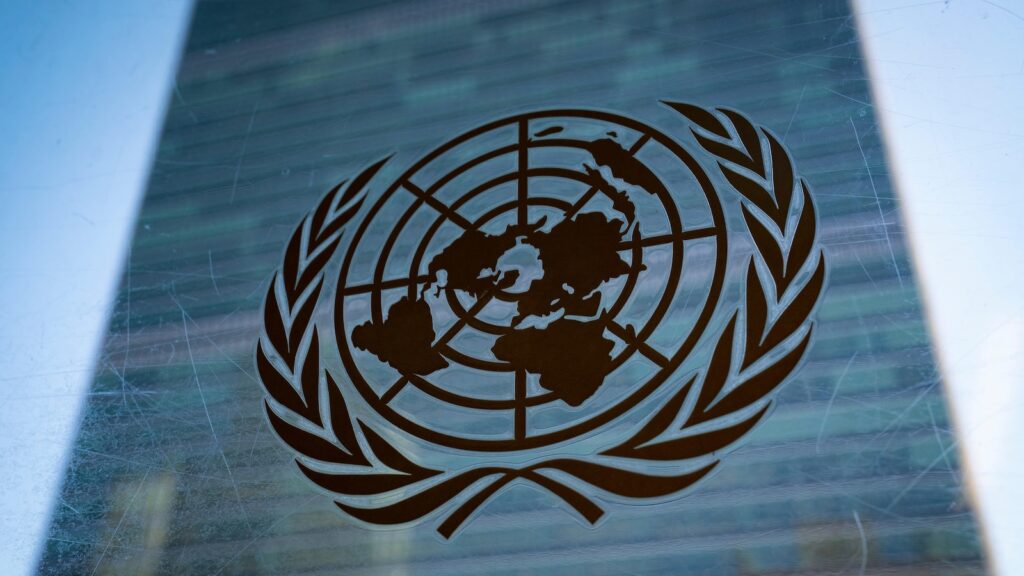
WASHINGTON -- In a significant shift from decades of U.S. foreign policy, the Trump administration has announced plans to withdraw from 66 international organizations, including key bodies linked to the United Nations. This decision encompasses the U.N.'s population agency and the treaty governing international climate negotiations, marking a deeper retreat from global cooperation.
On Wednesday, President Donald Trump signed an executive order suspending U.S. support for these organizations, following a comprehensive review of American participation in international bodies. The White House, via social media, communicated that this decision aligns with Trump's belief that many of these entities serve interests contrary to those of the United States.
The organizations targeted by this withdrawal primarily involve U.N.-related agencies and advisory panels focused on climate, labor, and diversity initiatives. The State Department characterized these institutions as redundant, mismanaged, or a threat to U.S. sovereignty and prosperity. “The Trump Administration has found these institutions to be redundant in their scope, mismanaged, unnecessary, wasteful, poorly run, captured by the interests of actors advancing their own agendas," the State Department stated.
As the U.S. withdraws from institutions that promote international cooperation, it coincides with military actions and threats that have unsettled both allies and adversaries. This includes recent efforts to capture Venezuelan leader Nicolás Maduro and Trump’s controversial suggestion of acquiring Greenland.
The administration previously suspended support for other significant U.N. agencies, such as the World Health Organization, the U.N. agency for Palestinian refugees (UNRWA), the U.N. Human Rights Council, and UNESCO. This selective approach to funding reflects a strategy where the U.S. opts for organizations that align with Trump's agenda while discarding those that don't serve perceived U.S. interests.
According to Daniel Forti, a senior U.N. analyst at the International Crisis Group, this marks a crystallization of U.S. multilateralism: “It’s a very clear vision of wanting international cooperation on Washington’s own terms.” This departure from previous administrations—both Republican and Democratic—has compelled the U.N. to address its own operational challenges, leading to staffing and program cuts across the board.
Many independent NGOs working in collaboration with the U.N. have reported project closures due to the Trump administration's previous cuts to foreign assistance via the U.S. Agency for International Development (USAID). Despite these substantial shifts, U.S. officials, including Trump himself, assert that they recognize the potential of the U.N. but intend to focus taxpayer money on enhancing American influence in specific sectors where competition with China is pronounced, such as the International Telecommunications Union and the International Labor Organization.
Climate Change Implications
The U.S. withdrawal from the U.N. Framework Convention on Climate Change (UNFCCC) is particularly alarming to climate scientists and advocates. The UNFCCC, established in 1992, seeks to support climate change efforts in developing countries and underpins the landmark Paris Agreement. Trump, who has dismissed climate change as a hoax, withdrew the U.S. from the Paris Agreement shortly after taking office.
Leading scientists emphasize that climate change is contributing to increasingly severe weather patterns, including floods, droughts, and wildfires. Climate scientist Rob Jackson from Stanford University warns that U.S. withdrawal may hinder global efforts to mitigate greenhouse gases, potentially providing other nations with excuses to delay their commitments. “Without cooperation from the U.S., one of the world’s largest emitters and economies, meaningful progress on climate change will be difficult,” he stated.
Another notable target of the U.S. withdrawal is the U.N. Population Fund, which provides essential sexual and reproductive health services worldwide. The agency has faced longstanding opposition from the Republican Party and Trump, who previously accused it of coercive practices in countries like China. When President Joe Biden took office in January 2021, he reinstated funding for the agency, and a subsequent State Department review revealed no evidence to support the allegations made against it.
In addition to the aforementioned organizations, the U.S. will also cease participation in various other bodies, including the Carbon Free Energy Compact, the United Nations University, and the International Cotton Advisory Committee, among others. The State Department indicated that further reviews are ongoing, suggesting that more organizations may face similar scrutiny in the future.
This strategic shift raises critical questions about the future of international cooperation and the United States' role within these global frameworks. As the world grapples with pressing challenges—such as climate change and public health—it remains to be seen how these withdrawals will impact not just U.S. interests, but the global community at large.
Is Your Browser Putting You at Risk? Shocking Reasons You NEED to Upgrade NOW!
Is the $1 Billion Compass and Anywhere Merger About to Crumble? Shocking Secrets Revealed!

2025 Flu Shot: Shocking New Data Reveals 50% Drop in Effectiveness—Are You at Risk?

Is Your Water Supply at Risk? Discover Valley Water's Shocking Climate Change Plans for 2025!

You Won't Believe the One Pantry Item That Divides Wealthy and Lower-Middle-Class Families—Find Out What You're Missing!

Sioux Falls’ Startups: Are They on the Brink of a Shocking Collapse? Discover the Hidden Truth!
You might also like: