
US Pulls Out of Key Climate Treaties—What This Shocking Move Means for Your Future!

The impending withdrawal of the United States from pivotal climate-related treaties marks a significant turning point in the global approach to environmental policy. In a move that has drawn widespread condemnation, President Donald Trump has decided to pull the U.S. out of several key climate agreements, echoing a broader strategy aimed at prioritizing domestic oil, gas, and mining development over international cooperation on climate change.
Notably, last year saw the Trump administration's withdrawal from the Paris Agreement, a landmark accord designed to unite countries in combating climate change. Trump's latest memo includes the withdrawal from 35 non-U.N. groups and 31 U.N. entities, with the U.N. Framework Convention on Climate Change (UNFCCC) standing out as one of the most crucial treaties from which the U.S. will now separate. This treaty is often referred to as the "bedrock" climate treaty and serves as the parent agreement to the Paris climate deal established in 2015.
As part of this withdrawal, the U.S. is also stepping away from the Intergovernmental Panel on Climate Change (IPCC), a vital scientific body that has relied heavily on contributions from American scientists for its assessments. Trump's rationale is that these institutions operate in a manner inconsistent with U.S. national interests, especially in the realm of energy development.
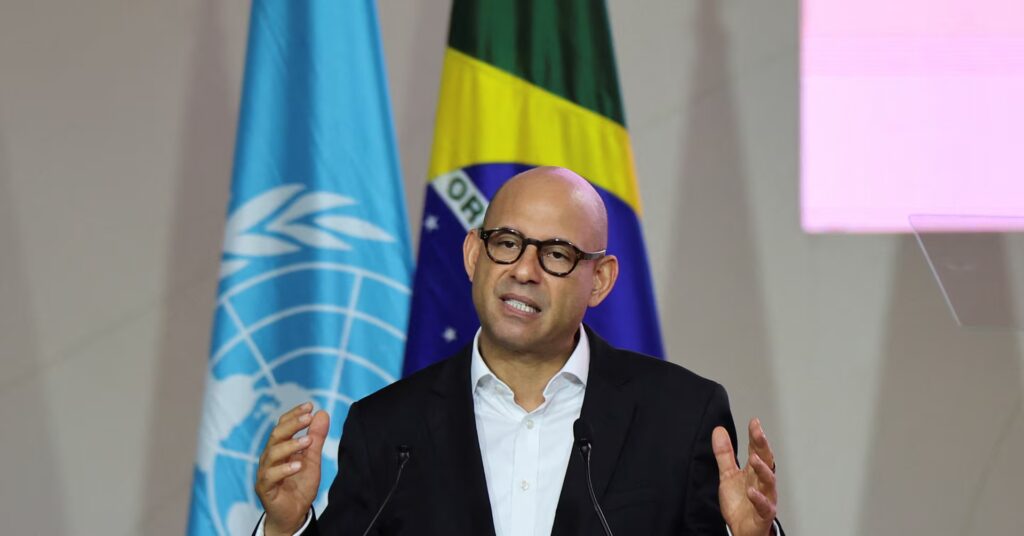
However, this decision is not without its legal complexities. Legal experts suggest that the withdrawal may be illegal, noting that Congress would need to approve such a move since it was the U.S. Senate that unanimously adopted the UNFCCC treaty over 30 years ago. The ramifications of this decision are multifaceted, with U.N. climate chief Simon Stiell describing it as a "colossal own goal." Stiell argues that relinquishing participation in these treaties at a critical time could diminish U.S. economic security and prosperity, particularly as the country faces increasingly severe climate events such as wildfires, floods, mega-storms, and droughts.
The Pacific Regional Environment Programme (SPREP), a longstanding organization dedicated to environmental protection in the Pacific, has called upon the U.S. to undergo a formal process to withdraw its support from these international treaties. Further criticism has emerged from European officials and various environmental groups, highlighting the potential dangers of isolating the U.S. from global climate efforts.
Looking Ahead
The issue of climate change is becoming increasingly urgent as demonstrated by the Climate Prediction Center, which recently indicated a 75% chance that a La Niña weather pattern will transition to neutral conditions. This change could have significant implications for weather patterns across the globe, further complicating the already tumultuous landscape of climate and environmental policy.
In the midst of this turmoil, the U.S. is also making headlines for its efforts to secure critical resources, including rare earth minerals in Greenland and oil reserves in Venezuela. This strategic focus is part of a broader narrative surrounding resource control, as countries vie for materials essential for technological advancements and energy production.
In an unrelated development, the Democratic Republic of Congo, known for its rich mineral resources, has suspended artisanal copper and cobalt mineral processing to improve transparency and combat illegal exports, highlighting the broader theme of international resource management.
As the U.S. reassesses its role in global climate initiatives, the implications for American citizens, as well as for the world at large, remain profound. The balance between economic interests and environmental responsibility is increasingly precarious, and how this situation unfolds will likely shape the landscape of climate policy for years to come.
Why This December's Shocking Cold Snap in Berkshire County Could Change Everything You Thought About Climate Change!

This CEO Spends $3,000 PER WEEK on Lunch—Is It the Ultimate Investment or Total Madness?

Is Silicon Motion's New AI Collaboration with MediaTek the Game-Changer That Will Skyrocket SIMO Stock?
Your Browser Could Be Putting Your Personal Data at Risk—Find Out Why Millions Are Switching NOW!

You won’t believe which country music star just hit the $1 billion mark—can you guess who?

Is Elevance Health (ELV) on the Brink of a SHOCKING Collapse? This Recent Drop Holds Hidden Dangers!
You might also like: