
US Pulls Out of 66 International Agreements Overnight—What Does This Mean for Our Future?

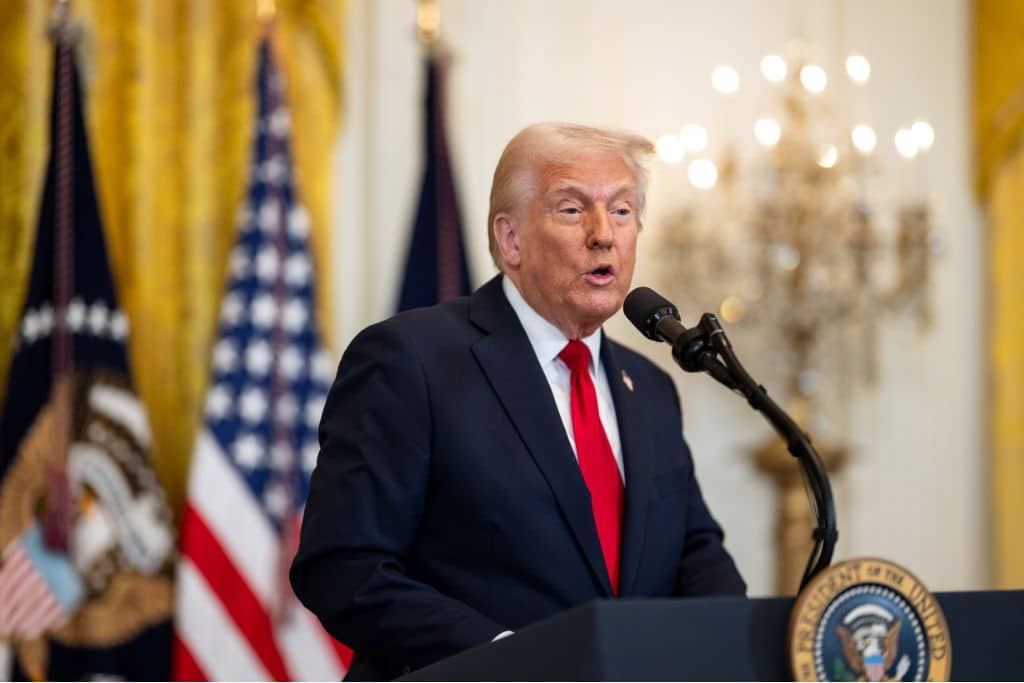
In a significant shift in U.S. foreign policy, Secretary of State Marco Rubio announced the withdrawal from nearly 70 international organizations, treaties, and conventions, framing them as “anti-American, useless, or wasteful.” This decision, conveyed by President Donald Trump, highlights the administration's ongoing efforts to disengage from global bodies, particularly those addressing climate change.
The withdrawal affects a total of 66 organizations, including 35 non-United Nations entities and 31 United Nations bodies. Among the most notable departures are key organizations involved in climate science and conservation, such as the Intergovernmental Panel on Climate Change (IPCC), the International Union for Conservation of Nature (IUCN), and the UN Framework Convention on Climate Change (UNFCCC). These organizations play critical roles in climate action and environmental protection worldwide.
Established in 1992, the UNFCCC has been a cornerstone for international climate cooperation, facilitating important treaties like the Paris Agreement, which aims to mitigate climate change impacts. The U.S. stands as the first nation to withdraw from this agreement, a move described by experts as a “strategic blunder.” David Widawsky, Director of the World Resources Institute US, remarked, “Walking away doesn’t just put America on the sidelines – it takes the U.S. out of the arena entirely.”
Trump justified this withdrawal by asserting that these organizations are “contrary to the interests of the United States.” He instructed all executive departments and agencies to expedite the process of disengagement. This rationale mirrors previous withdrawals from entities such as the World Health Organization, the UN Relief and Works Agency for Palestine Refugees (UNRWA), the UN Human Rights Council, and UNESCO.
In his comments, Secretary Rubio emphasized the need to cease “subsidizing globalist bureaucrats who act against our interests.” His statement reflects a broader skepticism within the administration about multilateralism, particularly regarding climate initiatives, which have been framed as detrimental to U.S. economic interests.
Reactions from the Global Community
International reactions to this withdrawal have ranged from shock to dismay. Rachel Cleetus, Policy Director for the Union of Concerned Scientists, described the decision as “a new low” and a sign of an “authoritarian, anti-science administration” that prioritizes short-term gains over global cooperation. Gina McCarthy, who served as the White House climate adviser under the Biden administration, denounced the move as “shortsighted, embarrassing, and foolish.”
Despite these setbacks, there remains a sense of optimism among some experts about the future of global climate diplomacy. Widawsky noted that other nations recognize the UNFCCC’s crucial role in fostering international collaboration needed to address climate challenges. “When countries work together on climate, it saves lives, creates jobs, strengthens economic stability, and builds a more prosperous future,” he stated.
The withdrawal from these organizations not only impacts the U.S. but also signals a retreat from collective action on pressing global issues such as climate change. As this administration continues to redefine America’s role on the world stage, the long-term implications for international relations and environmental policy remain uncertain. The decision to disengage from essential global efforts marks a pivotal moment in U.S. history, one that could shape the future of international collaboration for years to come.
USC's Makai Lemon Might Join This SHOCKING NFL Team—Fans Are DIVIDED! Are You Ready to Find Out?

You Won't Believe How Much iPhones Are Worth After 5 Years—The Shocking Truth!

Demond Williams vs. Washington: Is This Shocking Transfer Portal Drama About to Explode?

XRP Declared Non-Security! But Why Did Its Price Crash 7%? $4.4M Liquidated! Don’t Miss This!
Why This Shocking Legal Case Could Change Your Life Forever—Don’t Miss the Disturbing Details!

You Won't Believe Which Startups Just Landed $20M—See Who's Shocking the Funding Game!
You might also like: