
US Futures Surge: What Shocking Move Has Analysts on EDGE About the S&P 500 and Dow? Find Out NOW!

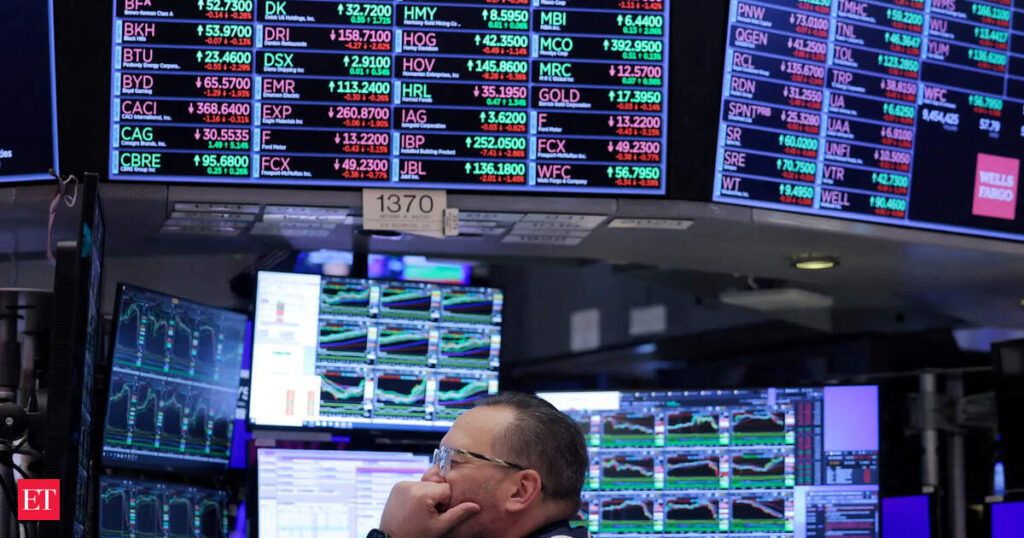
The current trajectory of US stock market futures has investors on high alert, particularly as futures linked to the S&P 500 and Dow Jones Industrial Average have shown slight gains, while futures for the Nasdaq-100 remain in the red. This mixed performance reflects a complex mix of economic and geopolitical factors that are shaping investor sentiment.
On Thursday evening, shortly after 6 p.m. ET, trading showed:
- S&P 500 futures rose by 0.04%
- Nasdaq-100 futures dipped about 0.04%
- Dow Jones Industrial Average futures gained 19 points, or less than 0.1%
While these slight movements in futures suggest cautious optimism among some investors, the reality is that the stock market is still reeling from previous losses. All three major US stock indexes closed at their lowest levels of 2026, with the Dow Jones dropping nearly 740 points to close below 47,000 for the first time this year, and the S&P 500 declining by 1.5%.
📰 Table of Contents
Geopolitical Tensions and Oil Prices
One of the more pressing issues affecting market sentiment is the recent surge in oil prices, largely triggered by comments from Iran’s Supreme Leader, Mojtaba Khamenei. He indicated that the Strait of Hormuz should remain closed as a tactic to apply pressure on perceived enemies. This strategic waterway is crucial for global oil shipping, and the implications of its potential disruption are significant.
Following Khamenei's statements, oil prices spiked dramatically:
- West Texas Intermediate crude futures surged by 9.72% to $95.73 per barrel
- Brent crude futures rose by 9.22% to $100.46 per barrel
This marks the first time since August 2022 that Brent crude has closed above the $100 per barrel threshold, raising inflation concerns that influence investor decisions across various sectors.
Chris Toomey, managing director at Morgan Stanley Private Wealth Management, emphasized that the energy sector poses a significant risk to markets. He pointed out that various factors—including artificial intelligence investment and private credit activity—are creating an intricate web of concerns, especially if disruptions in the Strait of Hormuz persist for more than a couple of months. Such a scenario could lead to substantial economic challenges.
Upcoming Economic Data
Another pivotal element in the current market dynamics is the impending release of the Personal Consumption Expenditures (PCE) price index, which is the Federal Reserve's preferred measure of inflation. Set to be released Friday morning, it is expected to show:
- A month-to-month increase of 0.3% in the headline PCE
- A year-over-year increase of 2.9%
- A core PCE (excluding energy and food) rise of 0.4% month-to-month
- A year-over-year core PCE increase of 3.1%
Should these figures reflect higher inflation, the markets may temper expectations for interest rate cuts this year, further complicating the landscape for investors.
As markets approach the end of the week, they are also on track for significant weekly losses. The S&P 500 is expected to decline by about 1%, the Dow Jones is looking at a 1.7% weekly drop, and the Nasdaq Composite is down around 0.3% week-to-date. These figures underscore ongoing worries about inflation and global tensions.
Corporate Earnings and Market Movement
The individual performance of major companies is also impacting stock movements. For instance, shares of Ulta Beauty fell by 8% after reporting earnings of $8.01 per share, slightly below the expected $8.03, despite revenues exceeding projections. Adobe shares dropped nearly 7% following the announcement that CEO Shantanu Narayen will step down after appointing a successor. Finally, Lennar experienced a 2% decline in after-hours trading after missing earnings expectations for the second consecutive quarter.
Experts advise investors to closely monitor economic data and global developments, particularly as they relate to energy prices and inflation signals. The outcomes of the upcoming PCE report and subsequent actions by the Federal Reserve will likely guide market direction in the near future.
In summary, the rise in US stock market futures, while modest for the S&P 500 and Dow Jones, contrasts starkly with the negative trends seen in the Nasdaq. This divergence illustrates the complexities of the current market environment, influenced by geopolitical tensions and a looming inflation report that could have significant ramifications for economic policy and investor behavior.
Is Arc'teryx's Shocking Urban Shift a Sign of Nike's ACG Downfall? Find Out Now!

You Won’t Believe What’s Hiding Inside Bangkok’s Modern Art Museum—A Secret Worth Millions!

Kirby Smart's Shocking Drop: Who Took His Crown in the College Football Rankings? You Won't Believe It!

Meta's AI Avocado Delayed: What Shocking Secrets Are They Hiding? Find Out Now!
Why DCS Stock Could Skyrocket 200% This Month—Are You Ready to Miss Out?

Axiom Just Secured $200M—Is This the Key to Safe AI Code or a Recipe for Disaster?
You might also like: