
US-China Summit Delayed: What Takaichi's White House Visit Could Mean for Global Tensions!

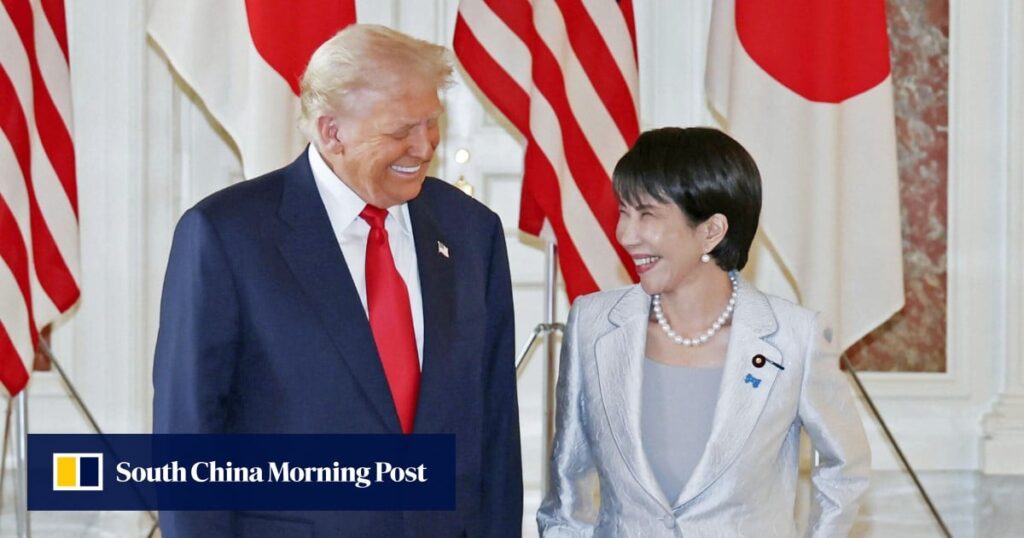
In a meeting that had great expectations, U.S. President Donald Trump and Japanese Prime Minister Sanae Takaichi convened on Thursday to discuss pressing global concerns, particularly ahead of Trump’s anticipated summit with Chinese leader Xi Jinping. Originally, the aim was to ensure that the United States and Japan were aligned on key issues. However, with the U.S.-China summit now postponed and escalating tensions in the Middle East, particularly concerning Iran, the atmosphere has shifted considerably, putting Japan in a more defensive position, according to analysts and former government officials.
Takaichi is expected to address a variety of challenging topics during the summit, including the negotiation of shifting tariff levels and addressing significant U.S. demands for investment in Japan. One of the major points of contention has been Tokyo’s reluctance to deploy support ships to the Strait of Hormuz, a critical shipping route, amid ongoing conflict in the region. Analysts suggest that this hesitation could become a focal point of criticism from Trump.
“Back then, her primary concern was getting into Trump’s ear before he headed off to his summit with Xi in Beijing. You had really positive momentum,” said Jeremy Chan, a senior analyst with the Eurasia Group.
Chan noted that the dynamics have changed drastically, with the dual pressures of the Iran conflict and the postponement of the China trip heightening the stakes for both leaders, but for reasons that may not favor Japan. “It’s higher stakes, but for the wrong reason,” he added, indicating that Japan may now face scrutiny rather than solidarity.
The relationship between the U.S. and Japan has historically been strong, characterized by mutual defense agreements and economic partnerships. However, the current geopolitical climate complicates matters. Analysts predict that Trump could adopt one of two approaches during the summit: either seeking a “normal” meeting that diverts attention from Middle Eastern tensions or potentially chastising Takaichi for Japan's less-than-enthusiastic support of U.S. military actions in the region.
As the world watches, the outcome of this summit is likely to have significant implications not just for U.S.-Japan relations, but also for the broader context of international diplomacy amid escalating tensions with Iran and the uncertain trajectory of U.S.-China relations. The decisions made in this meeting could reverberate across multiple geopolitical landscapes, altering how these nations engage with both allies and adversaries in the months to come.
In summary, as President Trump and Prime Minister Takaichi sit down, the eyes of the international community will be focused on whether they can navigate these tumultuous waters effectively to preserve their alliance while addressing the pressing issues of the day.
Unbelievable Twist in Illinois 14th Primary: Shocking Results You NEED to See NOW!

Unlock the Hidden Gems: 7 Mind-Blowing Events You Must Experience March 20-26! Don't Miss Out!

You Won’t Believe What Happened After 10 Years Together – Their Relationship Took a SHOCKING Turn!

Is $10 Gas Just the Beginning? Shocking Secrets from 83 Years of Fuel Price Chaos!

You Won't Believe What Just Happened: Vietnam Approves Shocking First-Ever Enterovirus Vaccine!

London's Meningitis B Outbreak: Are Your Loved Ones at Risk? Shocking Details Inside!
You might also like: