
Unlock Your Athletic Potential: The 5 Shocking High-Fiber Snacks Olympians Swear By!

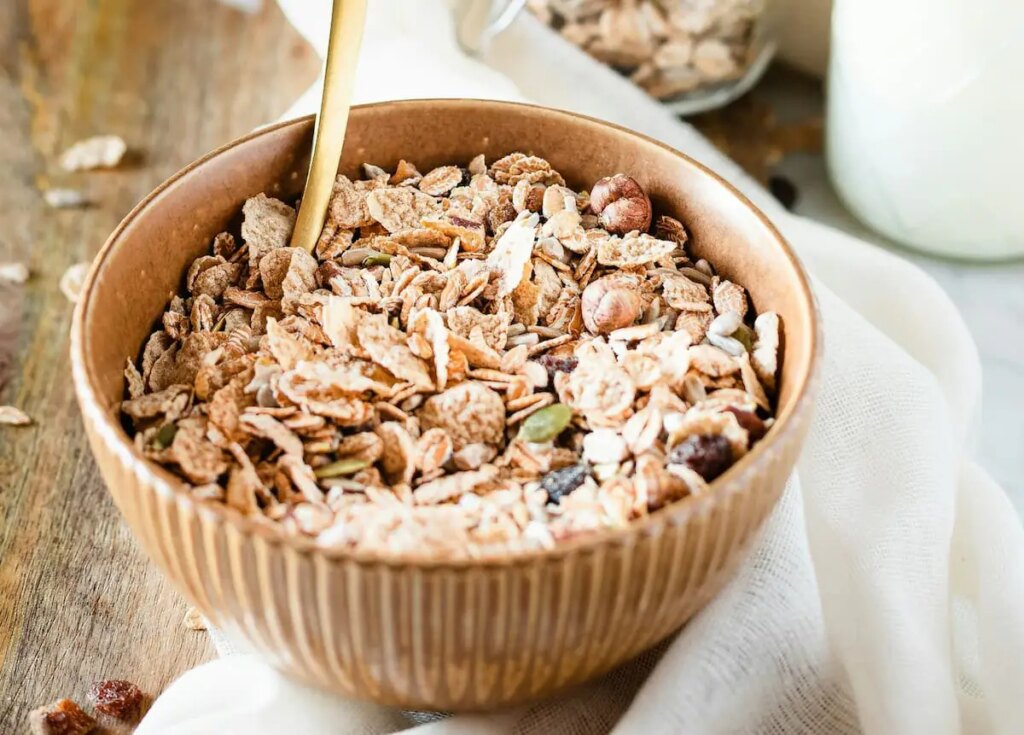
In the world of sports nutrition, high-fiber snacks are often overlooked despite their significant role in enhancing athletic performance. While the conversation typically revolves around protein, electrolytes, and carbohydrate timing, fiber deserves recognition for its contributions to energy stability, recovery, gut health, and long-term metabolic function. Incorporating high-fiber snacks can help athletes maintain consistent energy levels, minimize digestive discomfort, and support a healthy microbiome, which is essential for reducing inflammation and boosting immunity.
This article highlights five top high-fiber snacks that can optimize athletic performance. Each snack is supported by scientific evidence detailing its benefits, and practical advice is given on how athletes can integrate these foods into their training and daily routines.
📰 Table of Contents
Why Athletes Need More Fiber
Research indicates that most athletes do not meet the daily fiber recommendations, which range from 25 to 38 grams depending on age, gender, and body size. Many athletes consume diets rich in refined carbohydrates, which lack fiber. Increasing fiber intake can significantly support physiological functions impacting performance.
Supports Stable Blood Glucose
Fiber plays a critical role in regulating blood sugar levels. It slows the digestion process and reduces glucose absorption into the bloodstream. Specifically, soluble fiber forms a gel-like consistency in the gut, helping to stabilize energy levels by reducing post-meal blood sugar spikes. A study by Chandalia et al. (2000) showed that increasing fiber intake improved glycemic markers and energy stability in individuals with impaired glucose control. For athletes, this means more consistent fuel during prolonged training sessions and a decreased risk of energy crashes.
Enhances Gut Microbiome Health
The gut microbiome significantly influences nutrient absorption, immunity, and inflammation—all crucial for athletes. Fiber serves as food for beneficial gut bacteria, which produce short-chain fatty acids (SCFAs) that promote metabolic health and immune function. Sonnenburg and Sonnenburg (2014) revealed that low-fiber diets decrease microbial diversity, resulting in heightened inflammation, while high-fiber diets improve gut integrity and diversity. A healthier gut translates to fewer digestive issues during training and better nutrient absorption overall.
Improves Digestive Regularity
High training loads, hydration levels, stress, and travel can disrupt bowel regularity. Fiber increases stool bulk and consistency, aiding in the prevention of constipation and reducing gastrointestinal discomfort. A comprehensive review by Slavin (2013) found that dietary fiber enhances bowel function and minimizes the digestive symptoms often experienced by endurance athletes. Smooth digestion is essential for avoiding mid-workout disruptions.
Increases Satiety and Supports Body Composition
Fiber promotes feelings of fullness by physically stretching the stomach and delaying gastric emptying, which influences hunger hormones. A study by Halton and Hu (2004) indicates that individuals consuming high-fiber diets tend to eat fewer calories overall and maintain better body composition. For athletes focused on optimizing weight or maintaining a strong power-to-weight ratio, fiber-rich snacks are invaluable.
Top High-Fiber Snacks for Athletes
1. Roasted Chickpeas
Roasted chickpeas are a crunchy, portable snack packed with fiber, plant-based protein, slow-digesting carbohydrates, and essential minerals. One cup of cooked chickpeas contains about 12 grams of fiber along with resistant starch, soluble fiber, and insoluble fiber. Resistant starch acts as a prebiotic, enhancing gut microbiome diversity. Research by Robertson et al. (2005) found that resistant starch can improve insulin sensitivity and reduce inflammation markers.
Performance relevance includes:
- Sustained energy from slow-digesting carbohydrates
- Plant-based protein for muscle repair
- Minerals supporting endurance and neuromuscular function
- Fiber promoting digestive health and satiety
2. Oatmeal Energy Bites
Oatmeal energy bites combine rolled oats, nuts, seeds, and natural sweeteners into a nutrient-dense snack supporting sustained energy and digestive health. Oats are among the richest sources of beta-glucan, a soluble fiber that improves cholesterol levels and stabilizes blood glucose. Studies show that beta-glucan slows digestion and improves appetite control (Wolever et al., 2010).
Performance benefits include:
- Steady fuel for endurance or strength training
- Appetite control between meals
- Improved digestion
- Healthy fats aiding hormone production and recovery
3. Apple Slices with Almond Butter
This simple snack pairs apples, which provide 4 to 5 grams of fiber, with almond butter for added nutrients. Apples contain pectin, known for stabilizing blood sugar levels, while almond butter contributes healthy fats and vitamin E—an antioxidant that reduces oxidative damage during exercise (Jenkins et al., 2002).
Benefits for athletes include:
- Natural carbohydrate fuel
- Fiber to stabilize blood sugar
- Healthy fats for prolonged satiety
- Antioxidants supporting recovery
4. Chia Pudding
Chia pudding is an excellent snack for athletes seeking a high-fiber option. Two tablespoons of chia seeds contain about 10 grams of fiber and help slow digestion while promoting satiety. Research by Nieman et al. (2009) indicates that chia consumption can improve metabolic markers and reduce inflammation.
Performance advantages include:
- Long-lasting energy
- Omega-3 fatty acids for inflammation reduction
- Digestive support through soluble fiber
- Hydration support from water absorption
5. High-Fiber Trail Mix
This customizable snack blends nuts, seeds, dried fruits, and whole grains. Nuts and seeds are rich in fiber and healthy fats, while dried fruits like figs and prunes support gut health due to their fiber and sorbitol content (Stacewicz-Sapuntzakis, 2013).
Benefits for performance include:
- High calorie density for long training sessions
- Slow-burning fuel through fiber
- Portable option for busy training days
How to Choose the Right High-Fiber Snack for Training
Timing is crucial when it comes to fiber consumption. While fiber offers many benefits, too much at the wrong time can lead to digestive discomfort.
Before Training
Opt for snacks with moderate soluble fiber and limited insoluble fiber. Ideal choices include oatmeal energy bites and apples with almond butter, as they provide smooth digestion and steady energy.
During Training
Avoid high-fiber snacks during intense training sessions to minimize discomfort.
After Training
Fiber can aid recovery and nutrient absorption, making it beneficial when paired with protein and carbohydrates post-exercise. Options include chia pudding, roasted chickpeas with protein sources, and high-fiber trail mix alongside yogurt or a shake.
Overall, athletes should aim for 25 to 38 grams of fiber daily. Incorporating these snacks can help achieve this goal while promoting energy and digestive health. High-fiber snacks are not just beneficial but essential for athletes looking to enhance performance, optimize recovery, and maintain overall health.
Discover the Shocking 3-Hour Cut-Off Before Bedtime That Could Ruin Your Sleep if You Love Chocolate!

Smartphone Sales Are Set to Skyrocket 1.5% in 2025—Is Your Brand Ready to Lose Out?

NFL Rookie on the Brink: Shocking Discipline Looms After Explosive Rams-Cardinals Showdown!

Stock Market Shock: Sensex Plummets 300+ Points! Are Your Investments Safe? Find Out Now!

9 Shocking Secrets Happy Seniors Wish They Knew Sooner—Are You Still Chasing These?

7 Shocking Frugal Hacks Boomers Swear By—You'll Regret Ignoring These!
You might also like: