
Unlock the Secret: How 95% of Celiac Patients Are Missing Out on This Gut Health Game-Changer!

Celiac disease is a serious condition that affects millions of Americans, characterized by an immune reaction to gluten—a protein found in wheat, barley, and rye. When individuals with this disease consume gluten, it triggers inflammation in the small intestine, leading to a range of symptoms, from digestive issues to nutrient deficiencies. Currently, the only effective treatment for celiac disease is a strict, lifelong gluten-free diet. However, this dietary shift can inadvertently result in lower fiber intake, which is vital for gut health.
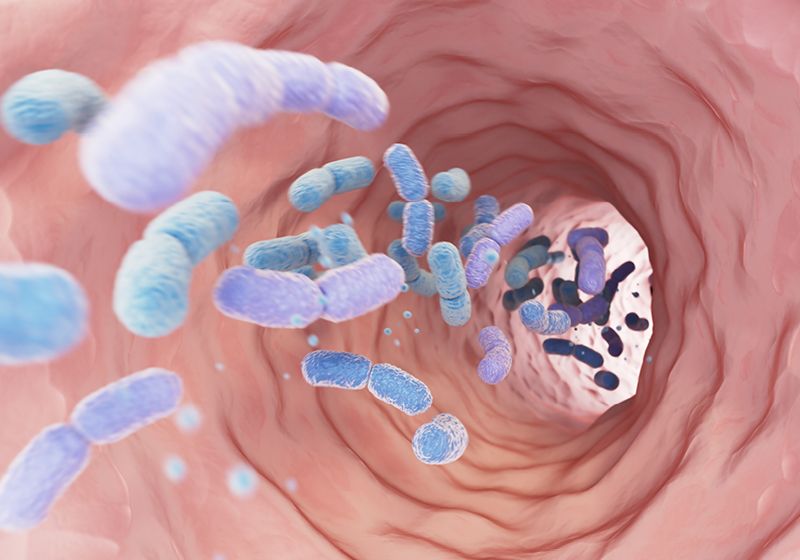
Recent research published in *Nature Communications* by scientists from McMaster University highlights a significant concern regarding the gut microbiomes of individuals with celiac disease. The study reveals that these individuals possess altered gut microbiomes, specifically a reduced population of fiber-metabolizing bacteria, which undermines their ability to break down beneficial dietary fibers. This impairment could hinder the production of short-chain fatty acids (SCFAs), essential compounds that promote gut health by reducing inflammation and enhancing intestinal function.
The research team analyzed gut microbiome samples from 27 participants diagnosed with celiac disease. Among these, 16 had recently received their diagnosis, while 11 had adhered to a gluten-free diet for at least two years. Their microbiota composition was determined using 16S rRNA sequencing, a technique that allows scientists to identify specific bacterial communities. The findings showed that both groups of individuals with celiac disease exhibited a decrease in enzymes necessary for degrading starch and dietary fiber, alongside a notable reduction in bacteria from the *Prevotellaceae* family.
These fiber-metabolizing bacteria play a crucial role in producing SCFAs, which are beneficial for gut health. The study found that individuals with a recent diagnosis of celiac disease had the lowest concentrations of SCFAs, while those on a gluten-free diet for two years had higher levels than the recently diagnosed but still lower than the healthy control group. This suggests a correlation between the reduction of fiber-metabolizing bacteria and decreased SCFA levels, indicating a potential area for dietary improvement in managing celiac disease.
To further investigate the impact of fiber on gut health, the researchers utilized a mouse model genetically predisposed to celiac disease. After sensitizing the mice to gluten to induce the characteristic immune response, they divided the subjects into groups on a gluten-free diet, some with additional fiber supplements: inulin (a soluble plant fiber) and HylonVII (an insoluble fiber derived from corn starch). Mice receiving inulin exhibited decreased lymphocyte counts in the intestinal epithelium and an improved marker of intestinal inflammation compared to those without the fiber supplement. Additionally, these mice produced more SCFAs, reinforcing the importance of fiber in the diet of those with celiac disease.
On the other hand, HylonVII only improved the inflammation marker without significantly affecting SCFA levels. This indicates that the type of fiber consumed may yield different health benefits, underscoring the necessity for tailored dietary recommendations. In a critical step, the researchers also examined the role of the *Prevotellaceae* family by colonizing germ-free, gluten-sensitized mice with ten members of this bacterial family. The colonized mice produced higher SCFA levels when supplemented with inulin, confirming the importance of these bacteria for effective fiber metabolism.
The conclusion drawn from this study is significant: while a gluten-free diet is crucial for managing celiac disease, it may not be sufficient alone. The findings suggest that future therapeutic strategies should consider not only the elimination of gluten but also the enhancement of the gut microbiome, particularly through the inclusion of specific fiber types and potentially probiotics that can effectively metabolize them. As study coauthor and researcher Elena Verdu stated, “We found reduced fibre-processing activity in the upper gut, the area damaged in celiac disease, which is surprising because this part of the gut has not traditionally been seen as a major site of fibre metabolism.”
This research opens up new avenues for improving dietary strategies for those with celiac disease. By focusing on not just eliminating gluten but also incorporating beneficial fibers, we can potentially support better gastrointestinal health and overall well-being for millions of individuals living with this condition.
Nikola Jokic Breaks Unbelievable NBA Record: You Won't Believe the Shocking Stats!

Is Your Team in Trouble? Shocking 2026 Men’s College Basketball Rankings Reveal Surprising Duke, UNC, and Michigan Positions!

Rapper Offset Ambushed: Shocking Casino Shooting Leaves 2 Detained – What Really Happened?

Macy's Shocking Moves: Are Their New Plans a Recipe for Disaster or a $1 Billion Windfall?

This Secret Climate Solution Could Save Millions—But Most People Have No Idea!

Lavish L.A. Lifestyle of Iranian General's Family Exposed: Are They Funding Terrorism?
You might also like: