
UN Indigenous Forum: Shocking Revelations Could Change Everything for 370 Million Indigenous Lives!

This story is published through the Indigenous News Alliance.
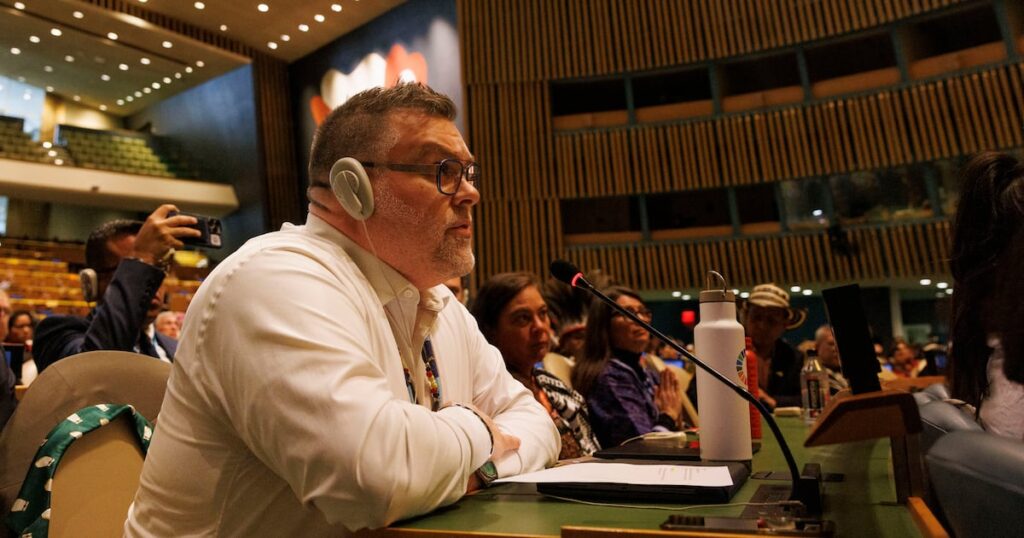
As hundreds of delegates converge on the United Nations this week for the world’s largest gathering of Indigenous peoples, they do so amid a backdrop of challenges that threaten their very existence. This year’s United Nations Permanent Forum on Indigenous Issues focuses on the dire theme of “Ensuring Indigenous Peoples’ health, including in the context of conflict.” With the rise of artificial intelligence, increased extraction on ancestral lands, and a U.S. administration making it increasingly difficult for Global South delegates to obtain visas, the situation is grim.
Experts underline that Indigenous health is intricately linked to the environment, land, and sovereignty. In many cases, these health inequities are exacerbated by climate change and militarization. Geoffrey Roth, a Lakota Sioux descendant and board chair of the Indigenous Determinants of Health Alliance, emphasizes the holistic view Indigenous peoples have on health. “You can’t separate human health from the health of the environment, or our culture, or our language,” Roth explains.
In recent years, the extraction of critical minerals, spurred by green energy initiatives, has also led to violations of Indigenous rights. Advocates are calling for climate financing to be directed to their communities rather than through state or foreign intermediaries. However, many of these delegates face significant hurdles before they can enter discussions, primarily due to stringent visa restrictions implemented during the Trump Administration.
Mariana Kiimi Ortiz Flores, an advocacy assistant at Cultural Survival and a member of the Na Ñuu Savi community in Mexico, shares her frustration. Last year, her organization helped Indigenous representatives from Africa prepare to attend the forum, but their visa applications were denied. This year, one of their Indigenous staff from South America also faced visa denial. “It’s getting harder and harder to access the United States, not only because of visa issues,” Flores says, noting a broader climate of insecurity and hate speech directed at Latin and Indigenous peoples.
Even when delegates manage to attend, they often encounter hostility. Flores recounts how Indigenous leaders from Bolivia, who came to protest against mining in their traditional lands, faced harassment from political figures upon their arrival. Such experiences have made some think twice about returning.
Beyond issues of access, there’s a broader concern about the categorization of Indigenous peoples within the U.N. system. Advocates like Roth express frustration at how Indigenous issues are often lumped together with those of “local communities.” This conflation, they argue, diminishes Indigenous rights and undermines their unique status as rights holders under international law. Roth points out, “We are not just another one of your minority populations. We are rights holders, and this needs to be approached from a rights-based approach.”
The debate around Indigenous rights and health extends to the realm of technology, particularly artificial intelligence (AI). Former Permanent Forum chair Hindou Oumarou Ibrahim warns that while AI can serve as a powerful tool for revitalizing endangered languages and monitoring territories, it also poses risks of digital extractivism. Tech companies often scrape cultural content, such as medicinal knowledge and traditional stories, without consent. Lydia Jennings, a member of the Pascua Yaqui Tribe and assistant professor at Dartmouth College, highlights the alarming trend of mining companies using Indigenous cultural information for their gain, complicating the conversation around data sovereignty.
As the climate crisis intensifies, the focus on mobility as a climate adaptation strategy becomes critical for Indigenous peoples. In a February report, experts warned that state borders often impede the traditional mobility of nomadic and pastoral communities, hindering their ability to adapt to climate change. Samante Anne, an Indigenous Maasai from Kenya, emphasized that mobility is vital for food security and livelihoods.
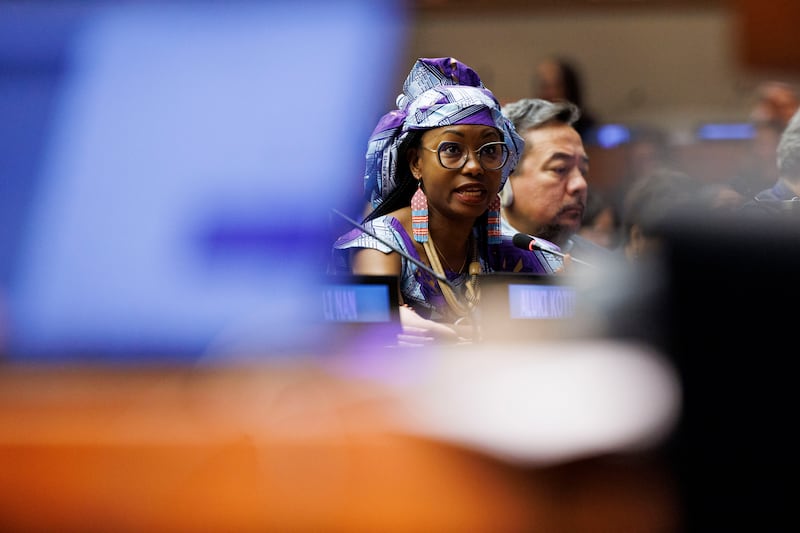
Despite these numerous challenges, many Indigenous peoples remain resolute in their commitment to advocate for their rights and presence at the U.N. forum. “If we as Indigenous peoples don’t do it,” Flores asserts, “no one else will speak for us and defend us.” As the world watches, the voices of Indigenous delegates will undoubtedly echo through the halls of power, demanding recognition and the right to self-determination in the face of escalating adversity.
You Won't Believe the Astonishing $100 Million Secret Behind Goldie Hawn's Lavish Lifestyle!
Drought and Climate Change: Is This New Antimicrobial Threat a Hidden Danger to Your Health?

You Won’t Believe This Shocking Price Drop: NutriChef Food Dehydrator Now Just $144.28 on Amazon! Act Fast!

Venture Capitalist's $2.57M Gamble: Is This the Bold Move That Could Change Everything?

Shih-Tzu's Genius Snack Heist Goes Hilariously Wrong—You Won't Believe Mom's Reaction!
Denmark's Shocking Study Reveals Fauci's COVID Mandates Failed—Find Out How Many Lives Were Affected!
You might also like: