
UK Food Giants Are Fighting BACK Against Shocking New Sugar and Salt Rules—Find Out Why!

The United Kingdom is in the midst of a significant overhaul of its nutrition standards, a move that is poised to reshape the way food manufacturers define “healthy” products. The recent update to the 2018 Nutrient Profile Model has sparked a heated conversation among industry groups and advocacy organizations about the implications of these changes, particularly concerning high-sugar foods commonly marketed to children.
As the UK government rolls out its plans, a consultation on high-fat, salt, and sugar (HFSS) classifications is underway, aimed at determining when these updates will take legal effect. This model serves as the foundation for the country’s nutritional benchmarks and underpins new restrictions on advertising and promoting HFSS foods, including a ban on television ads for certain products before 9 PM that was enacted this month.
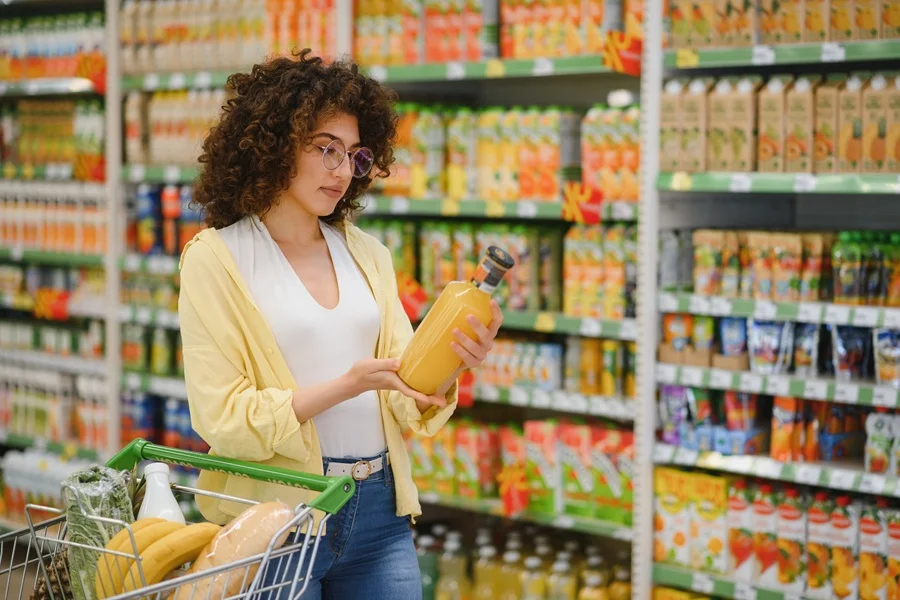
Among those most concerned are producers of fruit-based beverages, who warn that the updated model could categorize products like smoothies and natural fruit juices alongside chips and confectionery, despite their health benefits. One noteworthy shift in the model is the transition from assessing “total sugars” to “free sugars.” This new classification includes added sugars as well as sugars naturally present in juices and purees, while excluding sugars found in dairy or canned fruit. Consequently, natural fruit juices are heavily penalized, undermining their positive attributes.
“Under the proposed scoring model, a smoothie packed with fruit, fiber, vitamins, and polyphenols is judged using the same blunt logic as crisps,”
says Jack Helm, account manager of Beverage, Bakery, and Functional Foods at ingredient supplier ACI Group. He argues that public health policy should facilitate informed choices and that simplifying complex nutritional data into a single score may undermine that goal. “If the aim is better diets and better outcomes, the tools used must be fit for purpose,” he adds.
Recent studies underscore the urgency of addressing sugar content in foods marketed to children. A review by British researchers of over 200 fruit drinks found that nearly half exceeded a child’s daily maximum recommended sugar intake of 19 grams (or five teaspoons) per 200 ml serving. Additionally, a separate analysis of over 1,200 snacks revealed that 77% of chips, 56% of nuts, and 88% of popcorn would be categorized as “less healthy” under the new guidelines.
There’s a growing body of evidence linking increased sugar intake to health risks. One study suggested that a 5% increase in daily free sugar consumption correlates with a 6-10% rise in the risk of various cardiovascular diseases. Advocacy groups like Action on Salt & Sugar are pushing for clarity in food labeling, arguing that products that are too unhealthy to advertise should not be allowed to present themselves as healthy through misleading on-pack claims.
“Now’s the time to close those loopholes, apply the model consistently, and let the product speak for itself, not the marketing,”
asserts Sonia Pombo, head of Research and Impact at Action on Salt & Sugar. However, Helm counters that the current system fails to distinguish between naturally occurring sugars in fruit and added sugars in less nutritious foods, which could lead to consumer confusion and distrust.
Danone, the multinational food company, has also raised concerns about the implications of these changes. James Mayer, president of Danone North Europe, expressed worry that the updates could lead to greater uncertainty among consumers regarding what constitutes healthy food. “Industry has invested heavily in product reformulation — reducing fat, salt, and sugar to offer consumers healthier choices at the checkout. If those same products are suddenly reclassified as ‘unhealthy,’ it undermines that effort,” he noted.
Moreover, there’s confusion surrounding terms like “ultra-processed foods” (UPFs), which many dietitians and nutritionists do not fully understand. Danone’s research indicated that 88% of surveyed professionals were unclear about the definition of UPFs. Despite this, nearly half of the 5,000 British adults surveyed reported seeking foods with added benefits like protein or fiber, yet 72% expressed concern that processed foods are unhealthy. Danone argues that focusing on processing rather than nutritional value could create unnecessary confusion for consumers.
“Focusing on the amount of processing, rather than a product’s nutritional value, is creating unnecessary confusion,”
says Niamh Brannelly, head of Nutrition and Science Communication at Danone. “Products enriched with fiber, protein, vitamins, and minerals play an important role in a balanced diet and shouldn’t be categorized as unhealthy alongside those high in added fats and sugars.”
Advocacy groups like Bite Back Right Now are praising the UK government's updates to the Nutrient Profiling Model, viewing it as a step towards holding manufacturers accountable for misleading marketing practices. CEO D’Arcy Williams emphasized that many products marketed as healthy are, in reality, high in sugar. “We welcome the government’s move to update the Nutrient Profiling Model so that products containing sneaky sugars are taken out of the spotlight, making room for healthier products to be promoted instead,” he stated.
As these changes take shape, the ongoing debate raises significant questions about the balance between consumer protection and the realities of food marketing. With growing concerns about childhood obesity and related health issues, updating the Nutrient Profiling Model is not just about new labels; it may well be about shaping healthier futures for consumers, particularly children. Indeed, as Katharine Jenner, executive director of the Obesity Health Alliance, puts it,
“This measured, long-overdue update better reflects modern dietary guidance and ensures genuinely healthier foods are recognized.”
SHOCKING TWIST: Trump’s Bold Claim on Noem Amidst Minneapolis Shooting Chaos—What Happens Next?

You Won't Believe What Trump’s White House Is Hiding About ICE Raids in Minnesota—The Shocking Truth Revealed!

Trump's EPA Scandal: Are 10 Million Lives at Risk Due to Corporate Greed? Find Out Now!

8200 Alumni Shock the Tech World: Here's Why $8M for Rein Security Could Change Everything!

You Won't Believe What Happens Next: Bazaars Unveils the Game-Changing ORC-55 Token—Is Your Wallet Ready?

XRP’s Shocking 80% Surge: Is the Ripple Treasury Launch Your Last Chance to Profit?
You might also like: