
UK BioBank's Shocking Data Leak: 100,000 Health Records Exposed—Are You at Risk?

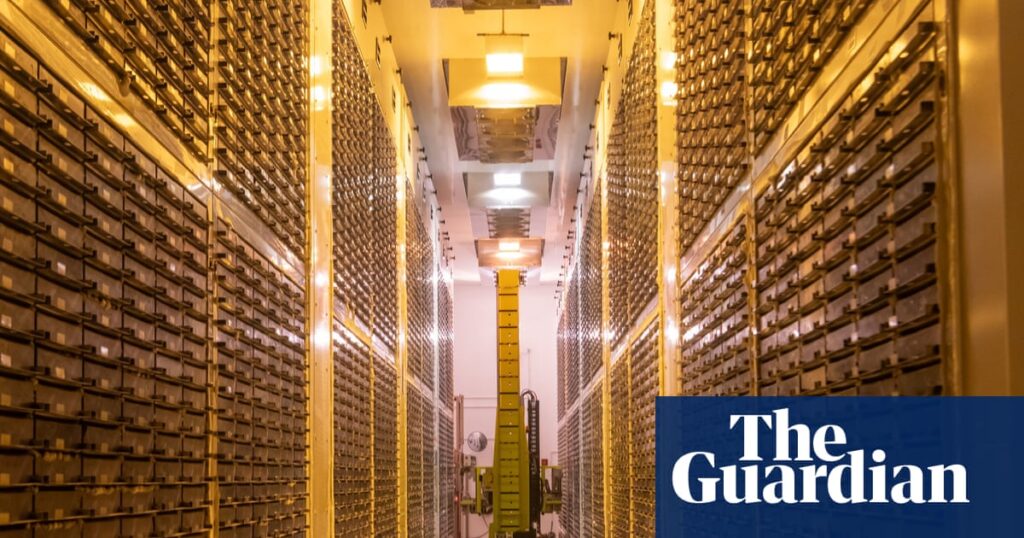
In a disturbing revelation for health data privacy, a recent investigation by The Guardian has uncovered multiple instances of confidential health information being exposed online through the UK Biobank, a premier medical research initiative. This program, which holds the medical records of approximately 500,000 British volunteers, is widely recognized as one of the most extensive archives of health data in the world and has been instrumental in advancing research in critical areas like cancer, dementia, and diabetes.
Despite its significant contributions to medical science, the UK Biobank has come under scrutiny regarding the safeguarding of sensitive patient records. The investigation found that researchers approved to access Biobank data have, at times, been careless in maintaining its confidentiality. While the leaked files do not contain identifying information such as names or addresses, they still raise serious privacy concerns. For instance, one dataset contained millions of hospital diagnoses and associated dates for over 400,000 participants.
In an unsettling demonstration of this risk, The Guardian, with the consent of a Biobank volunteer, identified extensive hospital diagnosis records using only the individual’s birth month and year along with details of a significant surgery. A data expert remarked, “The file was very detailed and it felt like a gross invasion of privacy even to glance at.” This sentiment underscores the potential implications of such data being inadvertently published online.
UK Biobank officials have pushed back against these concerns, asserting that they have no evidence suggesting that any participant has been re-identified. Prof. Sir Rory Collins, the chief executive of UK Biobank, stated, “We have never seen any evidence of any UK Biobank participant being re-identified by others.” Founded in 2003, the UK Biobank collects a comprehensive range of health data, including genome sequences, blood samples, and lifestyle information, which is crucial for ongoing medical research.
Data Security Challenges
Yet, the Biobank's security challenges are not to be overlooked. Researchers from universities and private institutions globally have access to the data, which until late 2024 could be downloaded directly onto their systems. The issue of data leaks has gained urgency as journals increasingly require researchers to publish the code used for data analysis. Unfortunately, this has led to accidental uploads of Biobank datasets to GitHub, a widely-used code-sharing platform. UK Biobank has stringent policies against sharing data externally and claims to have implemented additional training for researchers to mitigate these risks.
Between July and December 2025, UK Biobank issued 80 legal notices to GitHub in an effort to remove sensitive data from the platform, successfully getting many repositories taken down. However, significant amounts of data remain accessible. Some datasets only included patient IDs or test results for small groups, while others contained more comprehensive records. For instance, one dataset located by The Guardian in January encompassed hospital diagnoses and their associated dates for around 413,000 participants, as well as their sex and birth months and years.
The Guardian's examination of the data revealed a stark possibility of re-identification. Two Biobank volunteers who agreed to provide their medical information were approached to test this risk. One volunteer, who shared details of medical treatments, was not identifiable in the data. However, the second volunteer, a woman in her 70s, was matched to the dataset based on her birth month and year and the timing of her hysterectomy, prompting her to reflect on the unsettling nature of the findings. “Effectively, you were rehearsing the main parts of my medical history to me without me having given you any information at all. I didn’t expect that,” she stated. While she intends to remain a participant due to the Biobank's important work, she expressed concern over whether the organization had breached its promise of data security.
UK Biobank has maintained that the matched scenario presented by The Guardian does not represent a privacy risk, reiterating that without additional identifying information, individuals cannot be singled out. They emphasized that participants should avoid sharing any health-related information online, which could facilitate cross-referencing with Biobank data.
Experts in data privacy are skeptical of Biobank's approach, highlighting a disconnect between the organization’s policies and the reality of data sharing in the internet age. "The idea they can rely on volunteers never putting any other information out about themselves is entirely unreasonable,” said Prof. Felix Ritchie, an economist at the University of the West of England. Furthermore, Dr. Luc Rocher from the Oxford Internet Institute noted that removing identifiers does not guarantee anonymity, as even seemingly innocuous data like birth dates can lead to re-identification.
Prof. Niels Peek, a data science expert at the University of Cambridge, characterized the scale of the data leaks as “shocking,” stating that while some data exposure is inevitable, the frequency of these incidents raises serious concerns. Although he acknowledged that Biobank has taken steps to address these issues, including proactive monitoring and legal actions, the recurring nature of these breaches points to a fundamental tension between advancing medical research through accessible data and the ethical imperative to protect individual privacy.
As concerns about data security mount, it remains to be seen whether UK Biobank can fully regain control of the information that has already been leaked online. While many offending repositories have been removed, a considerable amount of sensitive health data still circulates on the internet, posing ongoing risks to participant privacy.
Is Your Favorite Snack About to Disappear? Discover the Shocking Future of Healthy, Sustainable Treats!
Bitcoin Hits $71K Amid Trump's Alarming Iran Oil Strike Warning—What Happens Next Will Shock You!
You Won't Believe Which 3 Warren Buffett Stocks Could Double Your Money This Year!

Zuckerberg’s Shocking 15,000 Job Cuts: Is Meta’s Future at Risk? Find Out Why!
You Won't Believe What Happens Next: Access Denied to This Shocking Page! Are You Missing Out?

Is Your Future at Risk? Former Defense Leaders Warn: Oil Wars Could Spark Global Chaos!
You might also like: