
UCC DECLARES: NO INTERNET SHUTDOWN? You Won't Believe What's Really Happening!

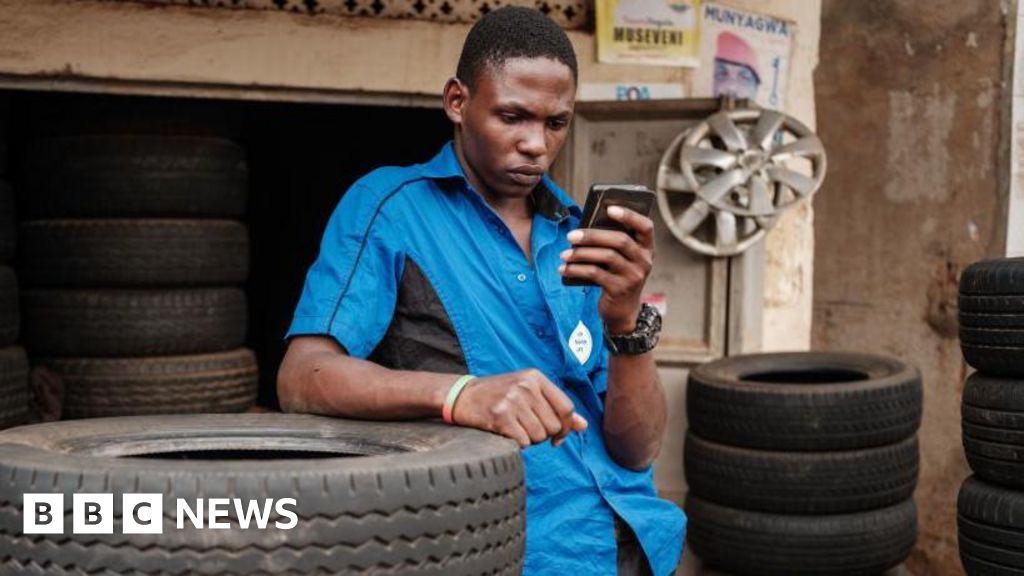
As Uganda approaches its elections on January 15, 2026, concerns about potential government actions to restrict internet access are coming to the forefront. In a repeat of the 2021 elections, which saw widespread protests and a four-day internet blackout, the main opposition candidate Robert Kyagulanyi, widely known as Bobi Wine, has voiced fears that the government will again attempt to block online communications to suppress dissent and manipulate the electoral process. Despite these claims, authorities have officially denied any plans for an internet shutdown.
On January 5, 2026, the Uganda Communications Commission (UCC) Executive Director Nyombi Thembo asserted that there is no current resolution to cut off internet services, labeling reports of a possible blackout as "mere rumors." These reassurances come amid heightened tensions as President Yoweri Museveni, who has been in power since 1986, seeks a seventh term. Museveni's tenure has been marred by accusations of electoral fraud and state repression, including violent crackdowns on protests.
Compounding fears of internet censorship, satellite internet provider Starlink recently restricted its services in Uganda following an order from the communications regulator. This move has further fueled suspicions regarding government intentions as the elections near. Observers note that internet access is crucial for mobilizing supporters and sharing election results, and such restrictions could hinder transparency.
The National Unity Platform (NUP), led by Kyagulanyi, has proactively launched an offline vote-monitoring app named Bitchart. This innovative app utilizes Bluetooth technology to allow supporters to share images of results forms from polling stations without needing internet access. "As we all know, the regime is plotting an internet shutdown, as they have done in past elections, to block communication and prevent citizens from organizing, verifying results, and demanding accountability," Kyagulanyi stated in his New Year's address.
In another controversial move, the Ugandan government has imposed a ban on live broadcasts of protests and violent incidents ahead of the elections. Officials argue that such broadcasts could escalate tensions and incite panic among the populace. This decision adds to a growing list of measures that critics claim aim to stifle dissent and control public perception in the lead-up to the elections.
The upcoming voting process is critical not just for Uganda but also for the broader East African region, as it reflects ongoing struggles for democracy and human rights. With Kyagulanyi as the strongest challenger to Museveni, the elections will serve as a test of the government's willingness to uphold democratic norms amidst internal and international scrutiny.
As events unfold in Uganda, the eyes of the world will be watching. The interplay between government control and the power of technology in facilitating civic engagement highlights the ongoing challenges facing democracies in Africa and beyond. Only time will tell how these dynamics will play out in the months leading to the elections and what implications they may have for the future of Ugandan governance.
Trinidad Chambliss Shocks Everyone: Is He Really Returning to Ole Miss? The WILD Details Inside!

You Won't Believe How Persona 5 Royal DLC Could Transform Your Fitness Routine Starting January 8!

Is Your Crypto Safe? Ankeny Police Expose Shocking $1 Million Scam—Find Out How to Protect Yourself NOW!
Shocking Truth: Why Thousands Are Suddenly Facing Legal Action—Find Out What You’re Missing!

You Won't Believe How 775 Phones Are Transforming Veterans' Lives—Find Out What They Need!

Moderna's Shocking New Vaccine Could Change Everything: Are You Prepared for the Consequences?
You might also like: