
Türkiye's UN Climate Conference: Will This Change Everything for Our Planet? Find Out Now!

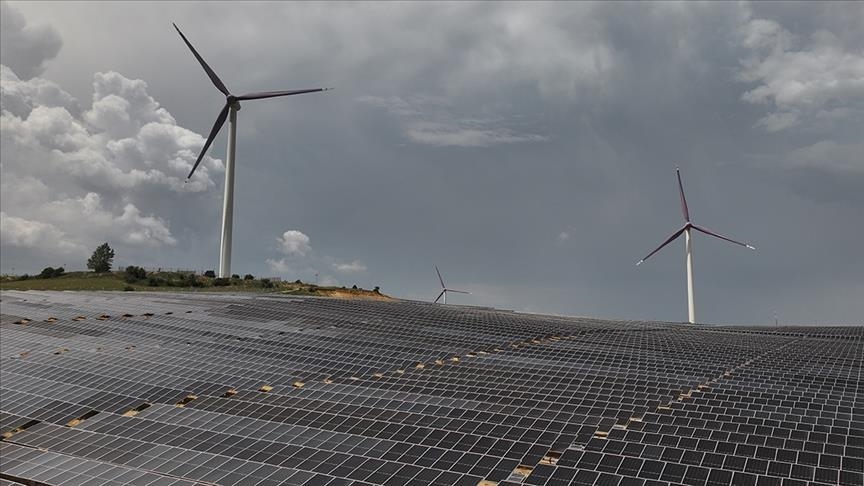
Türkiye has secured a significant diplomatic achievement by being selected to host and chair the upcoming UN climate change conference, COP31. This milestone marks the first time Türkiye has been entrusted with the COP presidency within the Western European and Others Group, a notable recognition noted by Suay Nilhan Acikalin, an academic at Haci Bayram Veli University in Ankara.
The decision was reached following successful negotiations led by Murat Kurum, Türkiye’s Minister of Environment, Urbanization and Climate Change, during this year’s COP30 conference held in Brazil. This development places Türkiye at the forefront of the global climate dialogue, especially given its strategic position in the Mediterranean Basin, a region highly vulnerable to the impacts of climate change.
In an interview with Anadolu Agency, Ayse Uyduranoglu, an economics professor at İstanbul’s Bilgi University, analyzed the recent outcomes of COP30 and the implications of Türkiye’s upcoming role. One of the critical shortcomings of COP30 was the lack of a definitive commitment to phase out coal, a concern Uyduranoglu emphasized as requiring clear timelines and actionable plans from all participating nations.
Uyduranoglu also highlighted a positive development from COP30 — an increased focus on a “just transition.” She pointed out, however, that for this transition to be meaningful, it must consider the diverse needs of various societal groups within countries. As Türkiye prepares to host COP31, the expectation is for adaptation policies to take center stage, especially given the country's susceptibility to extreme weather events.
Moreover, Türkiye is in the process of developing its own Emissions Trading System (ETS). Uyduranoglu indicated that a two-year pilot phase is anticipated to begin soon, paving the way for permanent implementation. “The ETS must be designed to be highly dynamic and adaptable to constant change. A carbon tax should also be seriously discussed in Türkiye,” she stated, suggesting that revenue generated from both the ETS and any potential carbon tax should explicitly fund climate adaptation, mitigation, and just transition policies.
Looking to successful examples, Uyduranoglu cited Sweden as a leader in implementing effective ETS and carbon taxation strategies. This emphasizes the importance of crafting a well-rounded approach to climate policies that could serve as a model for Türkiye.
The Path Ahead for Climate Action
Acikalin echoed Uyduranoglu’s sentiments about Türkiye’s role in the climate landscape, describing its selection to host COP31 as a diplomatic win. She noted that the previous COP30 made strides in finance and adaptation but remained hesitant on issues that require robust political commitment. Last year’s COP29 in Baku, Azerbaijan, established a new climate finance goal of at least $300 billion per year, which was further expanded at COP30 through the Baku to Belem Roadmap, aiming for an overall mobilization target of $1.3 trillion annually by 2035.
While these targets reflect an ambitious vision for climate finance, they currently remain aspirational rather than secured funding. Acikalin attributes Türkiye's success in hosting COP31 to its balanced multilateral diplomacy and robust relationships with both European and Global South institutions. This ability to act as a bridge between different regions could prove pivotal in garnering support and driving meaningful outcomes during the conference.
As Türkiye prepares to lead the climate change discussions at COP31, the spotlight will be on its capacity to address pressing issues like coal phase-out commitments and equitable transition strategies. The nation’s unique geographic and political position presents both challenges and opportunities for effective climate action. The coming year will be critical not only for Türkiye but for the entire global community as it strives to address the pressing realities of climate change.
Honduran Candidate Drops BOMBSHELL: Did Trump Really Manipulate Their Election? Shocking Details Inside!

The Shocking Truth: 90% of Us are Addicted to Our Phones—Here’s How to Break Free Before It’s Too Late!
You Won't Believe What Happens When Access to This Page Is Denied—Shocking Truth Revealed!

LeBron's Unbelievable 1,297-Game Streak SHATTERED! What Happened in the Final Moments?

Ex-Anker CMO Shiyuan Wang's Shocking AI Venture Raises Millions—What’s Next? Don’t Miss Out!

This Hidden Vaccine Could Be Your Best Bet to Slash Dementia Risk by 30%—Find Out Why!
You might also like: