
Trump's Shocking Retreat: What the White House Doesn’t Want You to Know About Minneapolis!

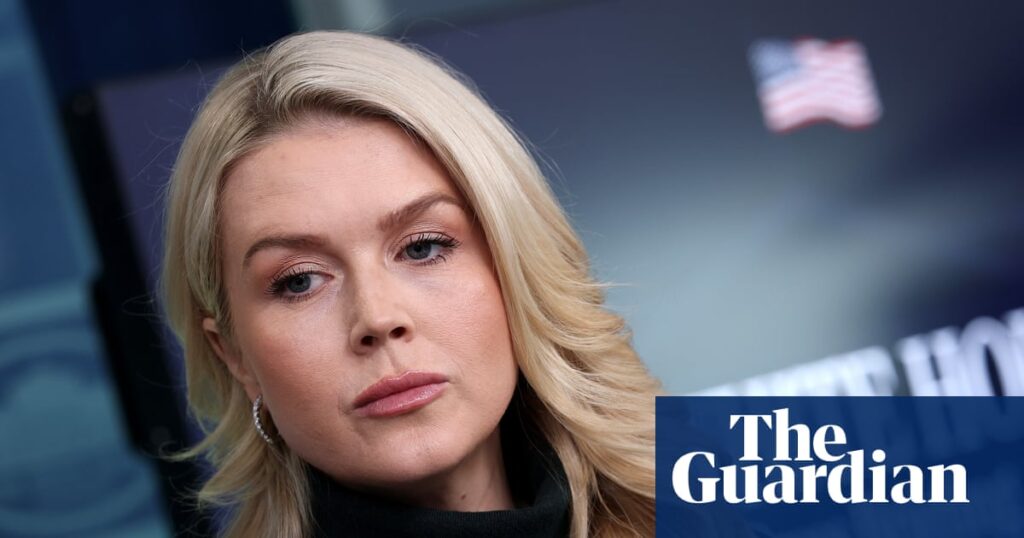
In a striking departure from the usual rhetoric associated with the Trump administration, White House Press Secretary Karoline Leavitt addressed the media on Monday following the tragic shooting of Alex Pretti by federal agents in Minneapolis. Leavitt’s comments offered a notable contrast to the victim-blaming narratives often seen in similar incidents, emphasizing the need for a thorough investigation rather than rushing to judgment.
Calling Pretti's death a “tragedy,” Leavitt stated that President Donald Trump preferred to allow the investigation to unfold before making further comments. Notably, she refrained from endorsing senior advisor Stephen Miller’s characterization of Pretti as a “would-be assassin.” Instead, Leavitt described a “constructive and productive conversation” between Trump and Minnesota Governor Tim Walz, hinting at a possible withdrawal of Border Patrol agents from the state, which Walz’s office confirmed as Trump agreeing to “look into” reducing federal agent presence.
This nuanced approach might suggest a shift in Trump's strategy regarding immigration enforcement, especially in light of public sentiment. Just days ago, Trump found himself under scrutiny for controversial comments about NATO troops in Afghanistan and his earlier attempts to purchase Greenland, leading to a wave of criticism and perceived retreat.
Minneapolis remains under the heavy scrutiny of Immigration and Customs Enforcement (ICE), drawing parallels to a dystopian narrative for many residents. Videos of Pretti's shooting have flooded social media, contradicting official accounts and presenting a sympathetic image of Pretti as an ICU nurse dedicated to caring for military veterans. The fact that he allegedly carried a gun legally in Minnesota has further complicated the narrative, raising concerns among Second Amendment advocates about the government's response.
While Leavitt displayed an unusual defensiveness during the briefing, she did manage to deflect blame away from Pretti, directing it instead toward President Joe Biden, Minnesota’s Democratic leaders, and “left-wing agitators.” When pressed about Miller’s inflammatory comments, Leavitt sidestepped the question, stating, “Well, look, this has obviously been a very fluid and fast-moving situation throughout the weekend.” She maintained that the president seeks to let the facts of the case lead the narrative.
Leavitt's comments come at a time when even some within the Republican Party are expressing unease about ICE's aggressive tactics. Congressman James Comer from Kentucky has urged Trump to reconsider federal agent deployment, while Senator Bill Cassidy of Louisiana has called for a joint investigation into the shooting. There is growing recognition among GOP leaders that public opinion is shifting, with polls indicating a majority of Americans feel that ICE has overstepped its bounds.
As Trump navigates this political landscape, characterized by a growing discontent among his own party regarding immigration enforcement, he may recognize that his traditional stronghold on this issue is becoming increasingly tenuous. Reports indicate he received numerous calls from administration officials and senators over the weekend expressing concern that public sentiment is turning against the administration’s hardline immigration policies.
While Leavitt has historically been a vocal proponent of Trump’s agenda, her tone and the administration's response to this incident suggest a potential recalibration of strategy. As a mother herself, she expressed empathy, saying, “Nobody here at the White House, including the president of the United States, wants to see Americans hurt or killed.” This heartfelt remark may indicate a recognition that the administration must adapt its messaging to resonate with the American public.
Ultimately, whether this represents a genuine shift in Trump’s approach remains to be seen. However, as public scrutiny intensifies and images of violence permeate social media, the administration may find itself compelled to reevaluate its tactics. This incident not only highlights the complexities of immigration enforcement but also underscores the growing imperative for a nuanced approach in a rapidly evolving political landscape.
10 Must-See Performances This Week: Why Missing Them Could Haunt You Forever!

You Won’t Believe Which Team Surged to #1 in Viewership—Is Michigan State at Risk of Losing Fans?

From Garage Startup to $50 Million School Uniform Empire: Discover the Shocking Secrets!

Fox Just Secured a Shocking 40-Title Deal with Dhar Mann—What This Means for Your Screen Time!

Celtics' G League Sensation Drops 45 Points—Is This the NBA’s Next Big Star? Find Out Now!

New Mexico's Shocking Law Sparks Heated Battle Over 2 Major Health Care Mergers—What’s at Stake?
You might also like: