
Trump's Shocking Move: 66 Global Organizations He’s Abandoning—What This Means for America!

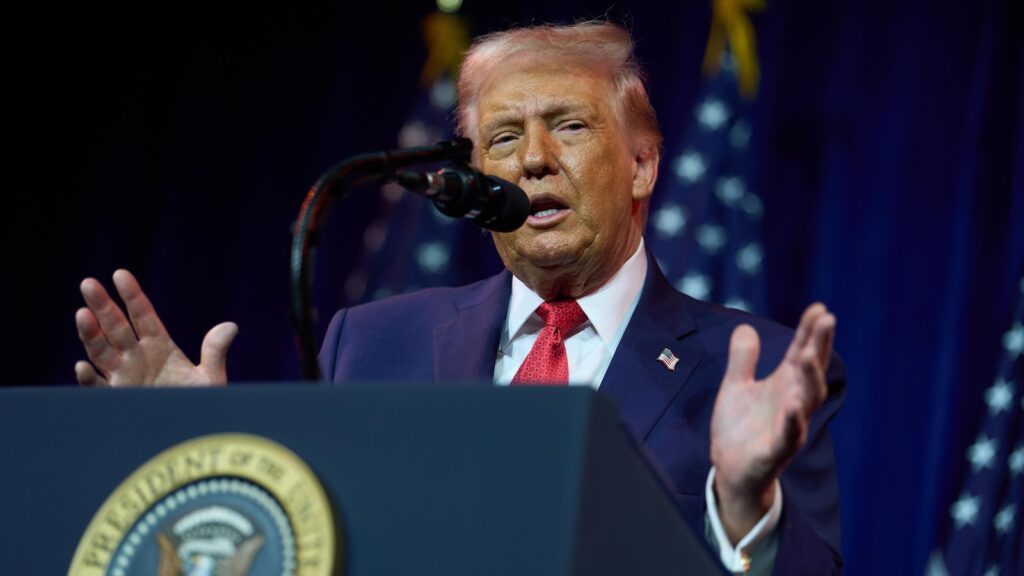
In a significant shift in U.S. foreign policy, the Trump administration has announced plans to withdraw from 66 international organizations, with nearly half linked to the United Nations. This move underscores a broader strategy that the administration has termed a departure from what it views as overly progressive or "woke" initiatives, particularly around issues such as climate change, labor, and migration.
The list of organizations the U.S. is exiting includes several that play pivotal roles in global governance and cooperation. The decision is likely to have substantial implications not just for U.S. standing on the world stage, but also for international initiatives that impact labor standards, environmental sustainability, and global migration policies.
Among the organizations slated for withdrawal are:
- Intergovernmental Panel on Climate Change
- U.N. Framework Convention on Climate Change
- Global Forum on Migration and Development
- Education Cannot Wait
- U.N. Entity for Gender Equality and the Empowerment of Women
- Global Counterterrorism Forum
- International Renewable Energy Agency
- U.N. Population Fund
- U.N. Energy
- U.N. Democracy Fund
This decision is indicative of a broader ideological shift where the Trump administration seeks to prioritize what it considers vital national interests over multilateral engagements that it views as potentially compromising American values or sovereignty. By exiting these organizations, the administration aims to recalibrate U.S. involvement in global governance, marking a distinct pivot from the multilateral approaches championed by previous administrations.
The implications of this withdrawal are multifaceted. For instance, exiting the Intergovernmental Panel on Climate Change could hinder global efforts to address climate change, a pressing challenge that requires international cooperation. Similarly, stepping away from the U.N. Entity for Gender Equality and the Empowerment of Women raises questions about the U.S.'s commitment to gender equality initiatives globally.
Moreover, the departure from organizations like the Global Forum on Migration and Development signals a potential shift in U.S. immigration policy, which could have lasting impacts on how the U.S. engages with international migration issues. Critics worry that such moves could lead to increased isolationism, undermining the collaborative frameworks necessary to address complex global challenges.
The administration's departure from these organizations also reflects a broader trend of skepticism toward international institutions, a sentiment echoed by some segments of the American public who believe that globalism undermines American interests. The decision may galvanize support among these constituents, reinforcing the administration's narrative of putting "America First." However, it also risks alienating allies and eroding the influence the U.S. has historically wielded in international affairs.
As this policy unfolds, it remains to be seen how the exit from these organizations will shape U.S. foreign relations and its role in addressing key global issues. The administration's focus on disengagement could redefine America's international partnerships and complicate efforts to respond to global crises, from climate change to humanitarian emergencies.
In summary, the Trump administration's decision to exit 66 international organizations signals a notable recalibration of U.S. foreign policy priorities, raising critical questions about the future of multilateralism and America's role in global governance.
Rockets' Shocking Bench Breakdown: How 25 Points Lost Them the Game Against the Trail Blazers!

You Won't Believe These 7 Jaw-Dropping Snacks That Skyrocket Protein and Crush Cravings!

FDA SHOCKER: New Rules for Fitness Devices Could Change Your Workout Forever—Find Out How!

Shocking Allegations Rock the NFL: What Rashee Rice's Abuse Claims Mean for the Chiefs' Season!

Cruz's Shocking Impeachment Move: Will 5 Judges Face Consequences for Defying Trump?
Shocking NJ-11 Race: You Won't Believe Who Just Dropped Out Before the Special Primary!
You might also like: