
Trump's Shocking Deal: What Minnesota's Deportation Halt Means for 100,000 Lives!

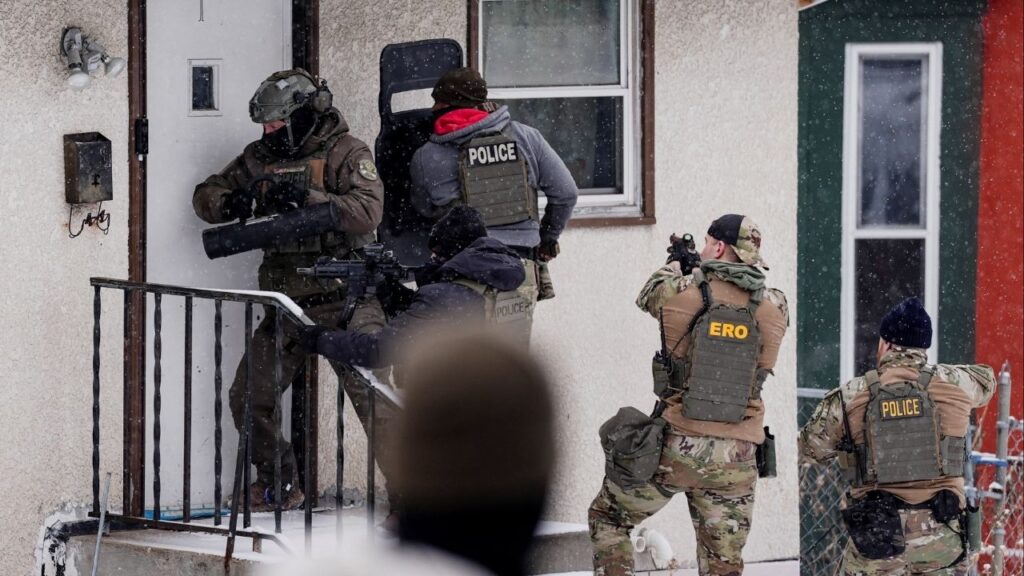
In a significant shift in immigration enforcement strategy, President Donald Trump’s border czar, Tom Homan, announced on Thursday that the controversial Operation Metro Surge in Minnesota is coming to an end. This decision follows a tumultuous deployment of approximately 3,000 armed immigration agents to the state, aimed at deporting migrants, which began late January.
The surge has sparked widespread protests in Minneapolis, Minnesota's largest city. Local residents have taken to the streets, some blowing whistles in dissent against masked agents clad in military-style gear. Tragically, the operation has also been linked to the fatal shootings of two U.S. citizens, Renee Good and Alex Pretti, who were reportedly protesting or observing the agents in action.
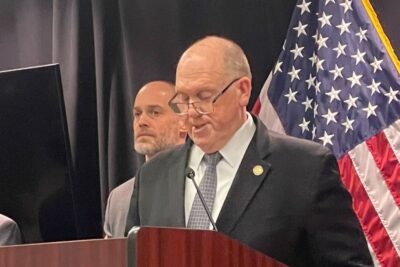
“I have proposed and President Trump has concurred that this surge operation conclude,” Homan stated during a press conference.
Just a week prior to this announcement, Homan indicated that approximately 700 agents out of the total 3,000 would be withdrawn. He elaborated that many of the remaining agents deployed from other states would soon return home, citing “unprecedented” coordination with local law enforcement agencies in Minnesota. Before this surge, around 150 immigration agents were stationed in the state.
The operation faced strong opposition from state officials, including Minnesota Governor Tim Walz, a Democrat, and Minneapolis Mayor Jacob Frey. Both leaders have expressed their discontent with the federal government’s approach, with Frey filing a lawsuit last month alongside Walz, seeking judicial intervention to restrain the surge. In a statement welcomed Homan's announcement, Frey remarked, “They thought they could break us, but a love for our neighbors and a resolve to endure can outlast an occupation.”
The situation has drawn scrutiny from prominent figures in the legal system as well. The chief federal judge in Minnesota has chastised officials from the Trump administration for allegedly ignoring numerous court orders to release wrongly detained migrants. Additionally, the manner in which the administration has described Good and Pretti’s deaths has drawn criticism from some Republicans. Senator Rand Paul, the Republican chairman of the Senate committee overseeing homeland security, expressed concern over the characterization of the two individuals as “domestic terrorists” by Homeland Security Secretary Kristi Noem and other administration officials.
“The First and Second Amendment are not suspended during periods of unrest or during protests,” Paul commented, emphasizing the significance of constitutional rights to free speech and gun ownership. “When officials speak imprecisely or rashly about constitutional limits, especially in volatile moments, they risk inflaming the situation rather than stabilizing it.”
As Homan made his announcement in Minnesota, Attorney General Keith Ellison was testifying in Washington before the Senate committee responsible for overseeing homeland security, further highlighting the intense scrutiny and discussion surrounding immigration policy and enforcement strategies.
This recent decision to scale back Operation Metro Surge raises critical questions about immigration policy and its implementation across the U.S. As communities grapple with the impacts of such federal operations, the balance between enforcing immigration laws and respecting constitutional rights remains a contentious issue. The end of this operation may signal a shift in how immigration enforcement is perceived and executed in the coming months, particularly in states like Minnesota where local officials are actively challenging federal actions.
Tencent Music's Shocking Drop: Is This the End Amid Fierce Competition and Plummeting Profits?

You Won't Believe How Much Money Casinos Are Spending to Go Luxurious – The Shocking Truth Revealed!
Minnesota's ICE Surge is ENDING—What SHOCKING Changes Should You Brace For?

Are the Bills on the Brink? Shocking Analyst Warning Reveals 2026 Catastrophe That Could Change Everything!

Why Ignoring Local Realtors Could Cost You $50K on Your Dream Lake Property!
NFL Salary Cap Shock: Which Teams Will Dominate 2026 Spending? The Numbers Will Blow Your Mind!
You might also like: