
Trump's Shocking 100% Tariff Threat on Canada: What This Means for Your Wallet!

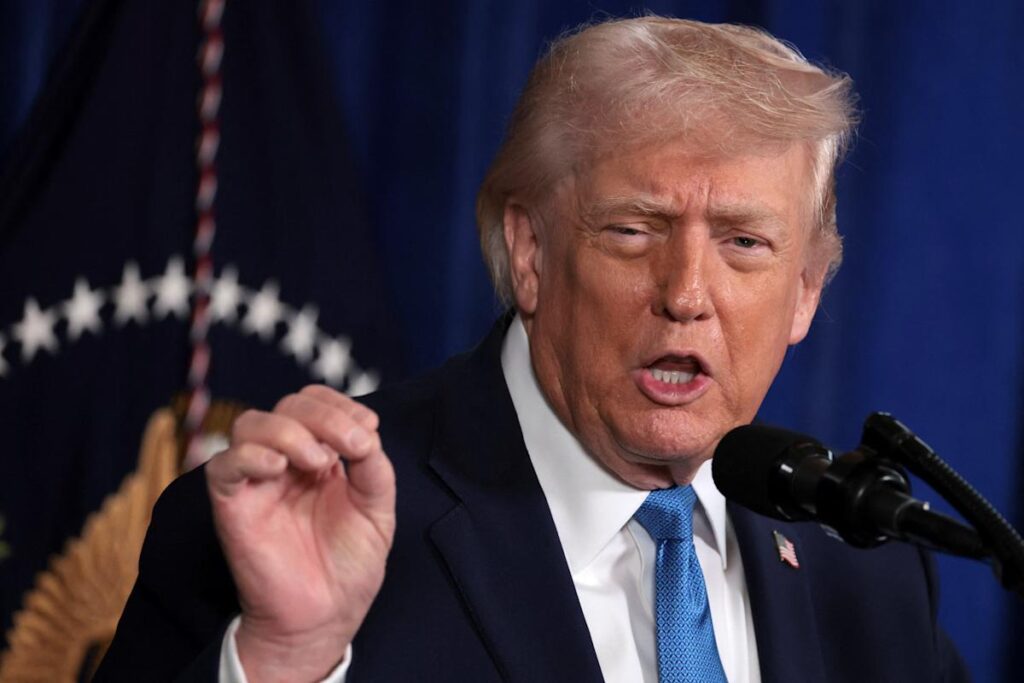
In a surprising turn of events, President Donald Trump threatened on Saturday to impose 100% tariffs on goods imported from Canada. This escalation follows Canada’s recent trade agreement with China, which Trump had previously described as "a good thing." The heightened tensions arise from concerns that Canada might act as a "drop-off port" for Chinese products entering the United States. In a social media post, Trump specifically addressed Canadian Prime Minister Mark Carney, implying that he would be mistaken if he thought such a strategy would go unchallenged.
Canada's deal aims to lower tariffs on Chinese electric vehicles while, in exchange, Canada would benefit from reduced import taxes on its agricultural products. This negotiation has significantly irked the White House amid ongoing discussions around trade balances and foreign policy. Trump's tariffs could have profound implications not just for U.S.-Canada relations but also for the broader dynamics of international trade.
This latest threat follows a rollercoaster week for Trump regarding tariffs. Earlier, he announced the cancellation of planned tariffs on European nations that were linked to his controversial pursuit of Greenland. Trump claimed a new framework for a future deal was reached with NATO Secretary General Mark Rutte. “This solution, if consummated, will be a great one for the United States of America and all NATO Nations,” Trump stated on Truth Social.
However, the situation is far from stable. Denmark’s Prime Minister has firmly stated that her country will not negotiate its sovereignty regarding Greenland, despite Trump’s claims that this framework would grant the U.S. “total access” to the territory. The ongoing negotiations have led to a complex web of diplomatic and economic implications, especially as tensions between the U.S. and its allies have escalated.
Just days prior to these events, Trump had threatened to levy 10% tariffs on several European nations over their alleged obstruction of the Greenland purchase. However, with the newly announced understanding with NATO, the EU has temporarily suspended discussions about retaliatory tariffs against the United States, potentially easing trade tensions.
The fluctuating rhetoric surrounding tariffs is also impacting markets. Trump’s speech at the World Economic Forum in Davos, Switzerland, reignited fears among investors, especially as he simultaneously positioned the U.S. as an indispensable economic powerhouse. “When America booms, the entire world booms,” he declared, mirroring a sentiment of American exceptionalism that has characterized much of his political stance.
Amid these trade disputes, the responses from leaders such as Prime Minister Carney have been pointed. Carney criticized the notion of a U.S.-led rules-based order, suggesting it was merely "a pleasant fiction." This statement underscores the growing unease among allies regarding America’s unpredictable trade policies and their potential long-term effects on international relations.
As the narrative unfolds, it's essential to consider the broader implications of Trump’s tariff threats. The potential for a trade war could not only impact U.S.-Canadian relations but also reverberate through global markets, affecting everything from agricultural exports to the automotive industry.
The coming days will be critical as nations assess their positions and strategies in light of Trump’s aggressive trade policies. The outcomes may redefine the landscape of international trade, affecting millions of jobs and economic stability both in the U.S. and abroad.
Virginia Tech's Shocking Injury Update Could Change Everything Ahead of Louisville Clash!

This AI Revelation Will Change Engineering Forever—Find Out How Logan Kilpatrick's Insights Will Impact Your Career!

You Won’t Believe How Much This Week of Vegan Eating Cost – The Shocking Truth Inside!

Melania's Shocking NYSE Bell Reveal: Is This Her Last Chance for Hollywood Redemption?

Molly Rizkallah's Shocking Discovery: Can Carbon Transform Ohio's Future? Find Out Now!

You Won't Believe What Brazil's 2027 Chikungunya Vaccine Could Mean for Your Next Vacation!
You might also like: