
Trump's EPA Moves to Erase KEY Climate Science – What This Means for Your Future!

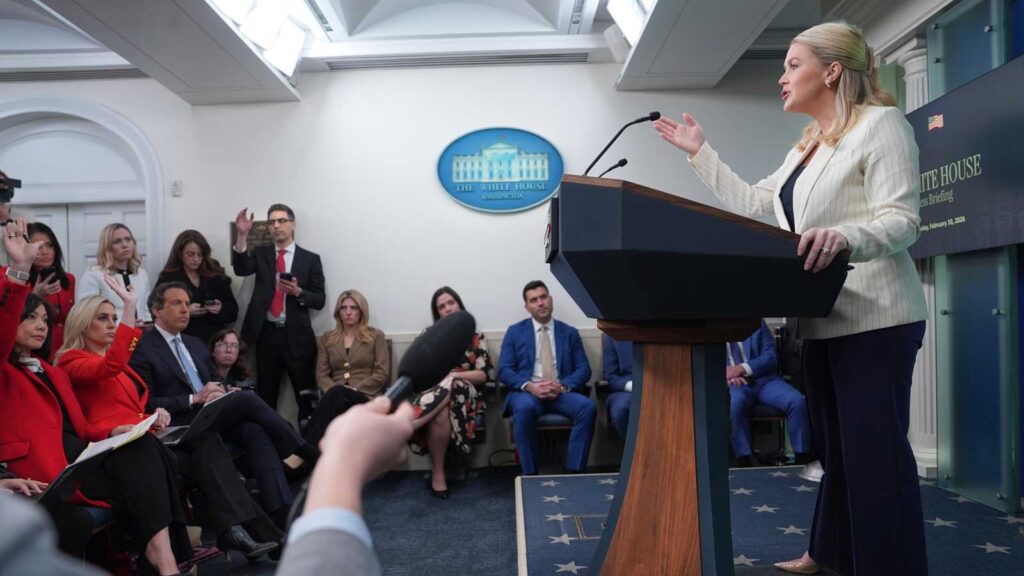
In a significant policy shift, the Trump administration announced on Thursday its plans to revoke the 2009 endangerment finding, a scientific determination that has been pivotal in the United States' efforts to regulate greenhouse gas emissions and combat climate change. The Environmental Protection Agency (EPA) will formalize this decision during a White House ceremony led by President Donald Trump and EPA Administrator Lee Zeldin.
The endangerment finding, established during the Obama administration, concluded that carbon dioxide and other greenhouse gases pose a threat to public health and welfare. This ruling has served as the legal foundation for numerous climate regulations under the Clean Air Act, including auto emissions standards and guidelines for power plants. These regulations are critical in addressing environmental challenges exacerbated by climate change, such as devastating floods, extreme heat, and destructive wildfires that increasingly threaten communities across the country.
Environmental advocates are preparing for a legal battle, suggesting that this reversal represents one of the most significant attacks on federal climate action in U.S. history. Abigail Dillen, president of the nonprofit law firm Earthjustice, expressed strong disapproval, stating, “The Trump administration is abandoning its core responsibility to keep us safe from extreme weather and accelerating climate change. There is no way to reconcile EPA’s decision with the law, the science, and the reality of disasters that are hitting us harder every year.” Earthjustice and its partners plan to challenge the administration's actions in court.
EPA spokesperson Brigit Hirsch characterized the Obama-era endangerment finding as “one of the most damaging decisions in modern history,” asserting that the current administration aims to deliver a "historic action for the American people." Critics, however, argue that the economic costs of failing to address climate change will ultimately outweigh any perceived benefits of deregulation. Research from Yale Climate Connections indicates that the financial repercussions of inaction will far exceed the costs associated with reducing pollution.
Despite Trump's previous claims that climate change is a “hoax,” his administration has been actively working toward dismantling what it considers overly restrictive regulations. Following an executive order he issued, which directed the EPA to review the endangerment finding's legality, the agency has taken steps to eliminate this critical framework.
The Legal Landscape
Legal challenges to the repeal are expected to emerge swiftly. Historically, the endangerment finding has been upheld in courts, including a 2007 Supreme Court decision affirming that greenhouse gases are classified as air pollutants under the Clean Air Act. Since then, lower courts have consistently rejected challenges to this finding, with a notable ruling from the U.S. Court of Appeals for the District of Columbia Circuit in 2023 reinforcing its validity.
In light of the proposal to repeal the endangerment finding, the National Academies of Sciences, Engineering, and Medicine conducted a review of the scientific evidence that supports the 2009 ruling. Their findings confirmed that the original assessment was both “accurate” and has been strengthened by more recent research. The panel stated, “The evidence for current and future harm to human health and welfare created by human-caused greenhouse gases is beyond scientific dispute.” This assertion underscores the growing consensus among scientists regarding the urgency of addressing climate change.
As the Trump administration continues to reshape climate policy, many observers are left wondering: What will this mean for the future of environmental regulation in the United States? The implications of this shift extend beyond legal battles; they touch upon the health and safety of American communities, the integrity of environmental safeguards, and the United States' role in addressing global climate challenges. The outcome of these policy changes could have lasting effects on both the environment and public health as the nation grapples with the reality of climate change.
Oregon's Future Hangs in the Balance: Is Ex-Torrey Pines Star Chris Dudley the Answer?

Unlock the Secret: 5 Surprising Daily Activities That Boost Your Productivity by 300%! You Won’t Believe #3!

Mollie Hanna Lang's Bold Move: How Her New Role Could Transform Luxury for YOU!

Unlock the Secret: 6 Mind-Blowing Birthday Gifts for Men That Will Leave Him Speechless!

0-11 Season Shock: Why This College Football Coach's Sudden Exit Could Change Everything!

“Why Newsom Claims Trump's Behavior Will Shock You—Is America at a Breaking Point?”
You might also like: