
Trump's Bold Executive Order Could Change College Sports Forever—Are You Ready for the Fallout?

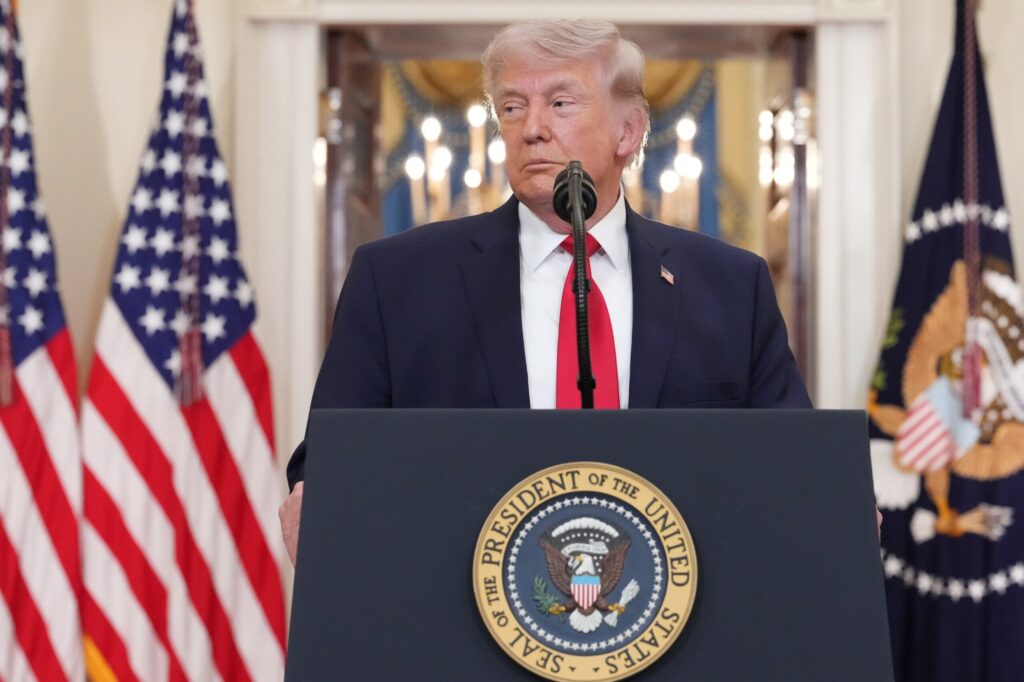
On Friday, President Donald Trump signed an executive order that aims to restore “order, fairness and stability” in college athletics. This move comes amid ongoing debates regarding the governance of college sports, particularly in light of recent changes around athlete compensation and transfers.
The newly signed order outlines several key directives for federal agencies. One major focus is to enhance the effectiveness of existing rules concerning athlete transferring, eligibility, and pay-for-play. Specifically, the order evaluates whether violations of these rules could render a university unfit for receiving federal grants and contracts. In essence, this could have significant financial implications for colleges that fail to comply.
To promote greater financial stability in college sports, the executive order encourages the relevant governing bodies to update current rules. The proposed changes include:
- Establishing clear and fair eligibility limits, including a five-year participation window for student-athletes.
- Setting structured transfer rules intended to ensure academic and athletic continuity.
- Guaranteeing comprehensive medical care for student-athletes.
- Implementing a revenue-sharing model that not only protects but also expands opportunities in women’s and Olympic sports.
- Banning improper financial arrangements, including those pay-for-play agreements that have emerged through collectives and other entities.
- Establishing protections against unethical behavior from sports agents.
Additionally, the order tasks the Administrator of General Services and the Department of Education with increasing data collection across college athletics to ensure compliance. The Federal Trade Commission (FTC) Chairman and the Attorney General are also directed to take appropriate enforcement actions. This multifaceted approach underlines the administration's commitment to addressing longstanding issues within collegiate sports.
Moreover, the executive order calls on Congress to act swiftly, urging lawmakers to pass legislation that effectively addresses these critical issues. The need for legislative backing is crucial, as it would provide a more permanent solution to the challenges facing college athletics, especially as the landscape evolves with ongoing changes in athlete rights and institutional governance.
The implications of this executive order are significant. For student-athletes, the proposed eligibility limits and structured transfer rules could create a more equitable environment. The emphasis on medical care and revenue-sharing also highlights a growing awareness of the need for college sports to support all athletes, particularly in women's and Olympic sports, which have historically been underfunded and overlooked.
As colleges navigate these new regulations, the order could set the stage for a more balanced and fair collegiate athletics system. However, its success will largely depend on the willingness of universities to adapt to these changes and comply with the updated rules. Stakeholders across the board—athletes, administrators, and fans—will be watching closely to see how these developments unfold.
Overall, the executive order represents a significant step toward addressing the complexities of college athletics in America, aiming to create a system that not only prioritizes fairness but also fosters the growth and stability of all collegiate sports.
Is the Flu Really Fading Away? Shocking CDC Stats Reveal What You MUST Know NOW!
Savannah Guthrie's Shocking 'Today' Show Return: What You NEED to Know Before It Airs!

Hawaii’s Shocking Climate Literacy Seal: Will Your Child Get Left Behind in This New Race?

Pete Davidson's $2.27M Home is Hiding a SHOCKING Secret—Will You Miss Out?
You Won't Believe What This Celebrity Did—The Shocking Truth Behind Their Legal Woes!

Is Bitcoin Really Headed for $100k? VanEck's Matthew Sigel Reveals Shocking Predictions That Could Change Your Financial Future!
You might also like: