
Trump's $1 Billion Ultimatum to Harvard: What You Need to Know Before It's Too Late!

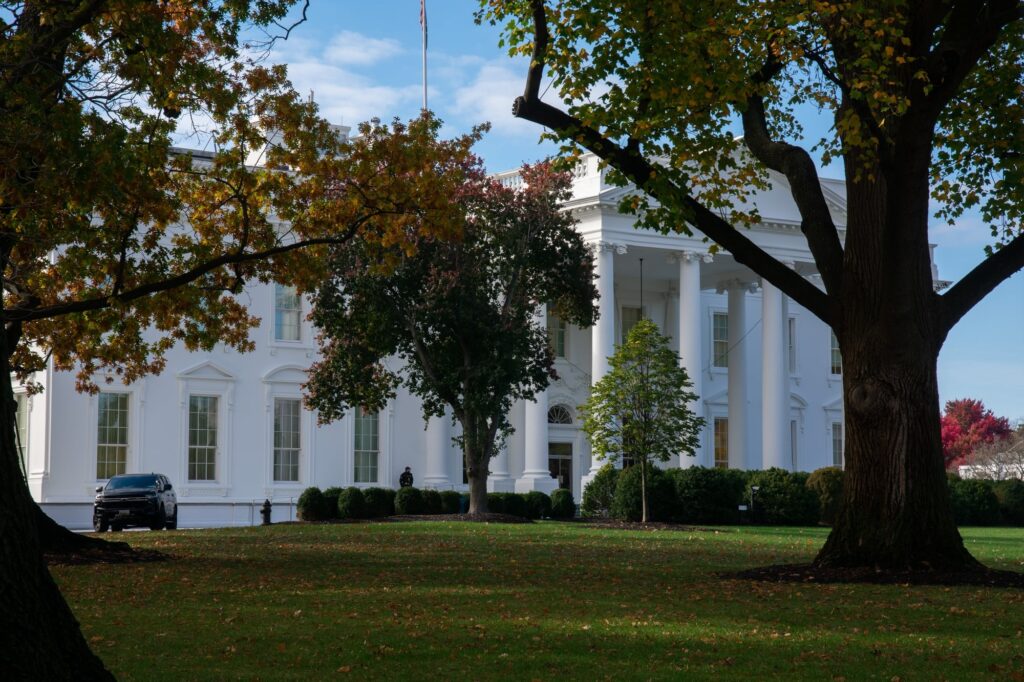
In a notable escalation of his long-standing conflict with Harvard University, U.S. President Donald Trump took to Truth Social on Monday night, demanding that the prestigious institution pay $1 billion as part of a settlement. This post marks a significant shift in the narrative surrounding the ongoing negotiations, particularly in light of recent reports suggesting that the White House might not pursue a cash settlement any longer.
Trump's statement, characterized by its sharp tone, indicates that the year-long dispute with Harvard shows no signs of resolution. “We are now seeking One Billion Dollars in damages, and want nothing further to do, into the future, with Harvard University,” he wrote. This demand follows a New York Times report citing unnamed sources that the White House was moving away from seeking a financial payout from the university.
In response to inquiries, a spokesperson for Harvard has not commented on Trump’s remarks. Harvard administrators have consistently refused to engage in discussions that involve cash payments to the federal government. Instead, they have been negotiating a workforce development agreement, which could be valued at up to $500 million. However, Trump dismissed these negotiations as a mere tactic to avoid a substantial cash settlement, labeling them a “convoluted job training concept” that he believes is “wholly inadequate and would not have been, in our opinion, successful.”
In his post, Trump continued to assert that Harvard had committed “Criminal, not Civil” wrongdoings, though he did not specify the nature of these alleged illegal activities. His administration’s aggressive stance against perceived antisemitism in higher education has included actions against Harvard since the beginning of his presidency. Notably, in May, Trump froze approximately $2.7 billion in federal research funding for the university and attempted to revoke its ability to enroll international students. In response, Harvard filed a lawsuit against the federal government, which led to the court granting injunctive relief, although the federal government has since appealed both cases.
As litigation continues, Harvard has attempted to negotiate a settlement with the White House, though these discussions have been inconsistent. In previous months, Trump claimed that a resolution was near, suggesting that a deal would be reached “over the next week or so” in July, and later stating in October that he had “reached a deal” with Harvard. He reiterated similar claims in November, indicating ongoing optimism about a potential settlement.
Trump's latest remarks also targeted Harvard President Alan M. Garber, criticizing him for failing to resolve what the president described as “a very bad situation for his institution and, more importantly, America, itself.” Trump noted, “He was hired AFTER the antisemitism charges were brought - I wonder why???”
On a separate note, early Tuesday morning, Trump urged the New York Times to update its reporting and referenced his ongoing lawsuit against the publication, proclaiming, “The New York Times coverage of me is so purposely wrong. We will soon see how I do in my lawsuit against these fraudsters! FAKE NEWS!” A spokesperson for the Times did not immediately respond to requests for comment.
As this situation develops, the implications for both Harvard and the Trump administration are significant. The conflict signals broader tensions between the federal government and academic institutions, particularly regarding issues of funding, governance, and the role of universities in addressing societal problems. The outcome of this dispute could set a precedent for future interactions between educational institutions and the federal government, shaping the landscape of higher education in America for years to come.
Experts Warn: Are We on the Brink of a Measles Epidemic Again? Shocking Stats Inside!

Are You Among the 1 in 5 Americans Overlooked in the Mental Health Crisis? Shocking Insights Revealed!

Virus Surge Hits Atrium Health: Are You and Your Family Safe? Shocking Stats Revealed!

You Won't Believe Which 8 Smartphones Seniors Are Raving About in 2026 - #4 Will Shock You!

UK Vaccine Market Set to Skyrocket to $3.3B by 2035—Are You Prepared for the Shocking Changes?

NFL Coaching Chaos: Why the Cardinals’ Shocking Choice Could Change Everything!
You might also like: