
Trump vs. Kennedy: Shocking Vaccine Agenda Blocked—What’s at Stake Now?

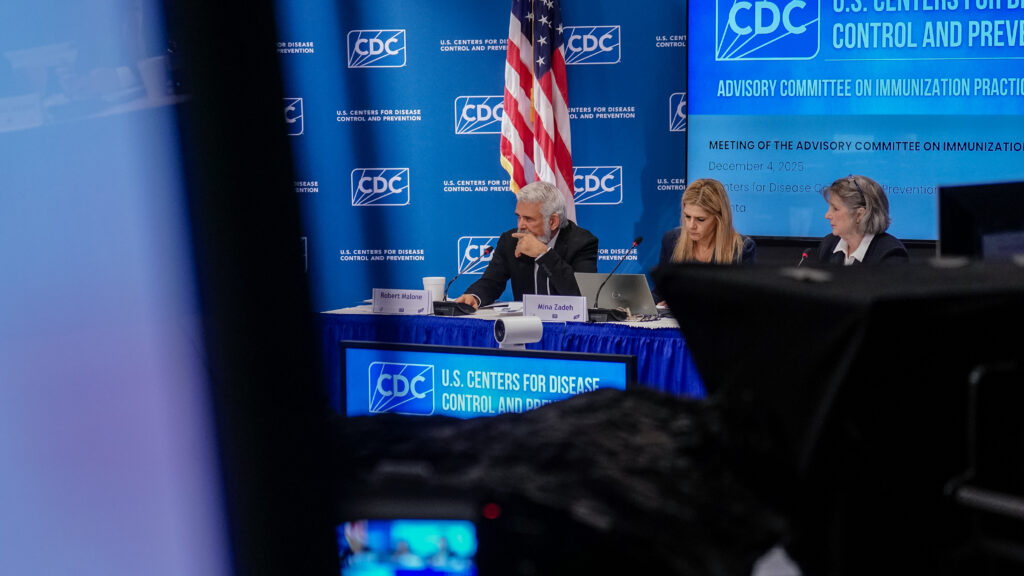
In a significant development for U.S. public health policy, federal health officials are grappling with the implications of a recent court ruling that has halted substantial parts of Health Secretary Robert F. Kennedy Jr.'s vaccine initiatives. This decision not only challenges the Trump administration's approach to vaccine policies but also raises questions about its willingness to take political risks in reshaping public health guidelines.
A source close to the situation revealed that the administration has yet to decide on whether to appeal the ruling, which was issued earlier this week by Federal Judge Brian E. Murphy. This preliminary ruling overturned a year of work by the Advisory Committee on Immunization Practices (ACIP), concluding that the committee's actions had been conducted improperly. The judge specifically ruled that the Department of Health and Human Services’ (HHS) unilateral decision to reduce the number of recommended pediatric vaccines was illegal, thus restoring the childhood vaccine schedule to its prior version.
This court decision has far-reaching implications, especially as nearly 30 states and the District of Columbia have already declared their intention not to adhere to the newly proposed pediatric vaccine schedule. According to the Kaiser Family Foundation (KFF), this resistance reflects a broader pushback against the recent changes in vaccination policy.
As the White House navigates this contentious landscape, health officials face a delicate balancing act. While the administration has generally backed Kennedy's push to overhaul U.S. vaccine policies, internal polling has indicated that these initiatives are unpopular among a significant portion of the electorate. Consequently, White House officials have recently attempted to divert attention away from vaccine policy as the midterm elections approach, favoring more politically favorable topics like food policy.
Prominent advocates from the Make America Healthy Again movement, alongside some members of ACIP affected by the ruling, are pushing for renewed engagement from health officials on vaccination issues. This is particularly significant in a political climate where public health decisions can be polarizing.
The administration’s response to this ruling may set a precedent for how it handles public health policies in the future, especially as it weighs the political ramifications of its actions. Should they choose to appeal the decision or restructure ACIP entirely, the outcome could either reinforce or undermine trust in the federal government's approach to vaccination and public health. With the stakes this high, how the White House decides to move forward will likely resonate deeply with American families, healthcare providers, and policymakers alike.
Chuck Norris' SHOCKING Final Wish Revealed – Fans Are Stunned by His Last Message!

Is Your College More of a Media Giant? 7 Shocking Ways They're Cashing In on Your Tuition!

$147 Million Bitcoin Moved After 11 YEARS—What This Means for the Crypto Market!
Popcorn Revolution: Discover the Shocking 2023 Trends That Could Change Your Snack Game Forever!

Are Today’s 70-Year-Olds Aging Faster? Shocking Truth About Their Mindset Revealed!
What Andy Weir Discovered About Sci-Fi Will Change Your Mind Forever—Are You Ready for This?
You might also like: