
Trump Just Secured Massive Venezuelan Oil Deal—Is Bitcoin Next? You Won't Believe the Stakes!

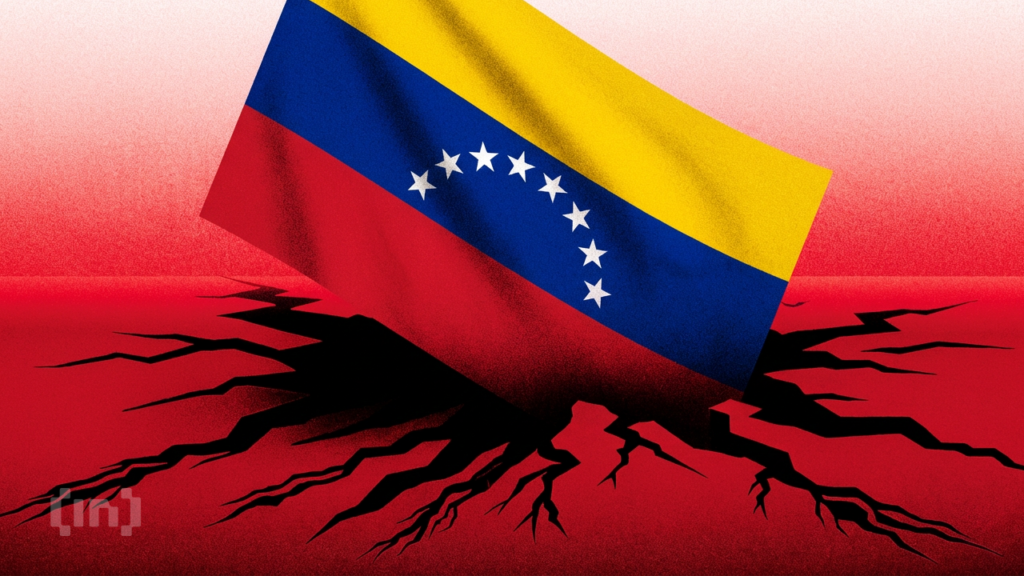
On Tuesday, President Donald Trump announced that Venezuela’s “interim authorities” would transfer between 30 to 50 million barrels of oil to the United States. This significant announcement comes just days after U.S. forces captured Nicolás Maduro in a military raid, raising questions about the future of Venezuelan resources and their management under new governance.
In a post on Truth Social, Trump stated that the oil would be “sold at its market price,” with proceeds “controlled by me, as President of the United States.” Given current market estimates of around $56 per barrel, this transaction could yield as much as $2.8 billion for the U.S. The transfer signals a serious commitment from the U.S. government to tap into Venezuela’s vast oil reserves, which are the largest proven crude reserves in the world.
The White House has also scheduled an Oval Office meeting on Friday with executives from major oil companies including Exxon, Chevron, and ConocoPhillips. This move clearly indicates that Washington’s interest extends beyond just this one-time transfer, aiming for a more comprehensive strategy concerning Venezuela’s oil sector.
As discussions about physical assets heat up, attention has also turned to Venezuela’s purported cryptocurrency holdings, specifically Bitcoin. Reports suggest that the Maduro regime may have accumulated a “shadow reserve” of Bitcoin to bypass international sanctions. Estimates regarding these holdings vary widely; while Project Brazen claims Venezuela could possess about $60 billion in Bitcoin, other sources, like Bitcointreasuries.net, assert the amount to be a mere 240 BTC, roughly valued at $22 million.
These estimates, however, lack verification through on-chain analysis, as no wallets have been publicly identified. Given Venezuela's exclusion from global financial markets, experts suggest it’s reasonable to assume that the country sought Bitcoin as a viable alternative, especially following its failed attempt to launch a state-backed cryptocurrency, the Petro, in 2018.
The situation becomes even more complex when considering the nature of Bitcoin itself. Unlike oil, which can be physically seized and redirected, cryptocurrency cannot be easily confiscated without access to private keys or the cooperation of custodians within U.S. jurisdiction. Given Venezuela's sanctions status, it is unlikely that Maduro’s regime would have relied on American or allied custody services. Moreover, it’s anticipated that any Bitcoin holdings would be distributed across numerous wallets, complicating tracking efforts.
Nonetheless, the properties that make Bitcoin challenging to seize also allow for quick movement; anyone with the correct information can transfer Bitcoin anywhere in the world within minutes. Should U.S. authorities manage to extract private keys from Maduro or his associates, it could lead to the swift confiscation of billions in cryptocurrency.
This creates a high-stakes dynamic where assets are either entirely out of reach or alarmingly easy to seize, depending on the circumstances. Speculation surrounding the Venezuela Bitcoin reserves gains further traction in light of Trump’s executive order to create a strategic Bitcoin reserve “at no cost to taxpayers.” However, critics have pointed out the challenges of accumulating such a reserve without direct purchases being made.
Seizing Venezuelan Bitcoin—if it exists in substantial quantities—could potentially address this challenge. However, any prosecution would need to clearly establish a direct link between the holdings and criminal charges filed in U.S. courts to justify such actions.
Regardless of the outcome, many in the crypto market see long-term bullish implications. Should the administration acquire any Bitcoin, it is likely they would hold onto the assets rather than sell them, aligning with its stated goal of building a strategic reserve.
For the moment, while Venezuelan oil is poised to make its way to American ports, the status of its Bitcoin remains uncertain, locked away behind unknown keys and largely beyond the reach of even the most aggressive enforcement actions. The unfolding story promises to be a contentious chapter in U.S.-Venezuelan relations as both countries navigate their next steps amidst evolving geopolitical landscapes.
You Won't Believe Why Fiber is Suddenly the #1 Nutrition Goal for 2026—Are You Missing Out?

Bo Bichette and Kyle Tucker Are at a Crossroads: What This Could Mean for the Blue Jays' Future!

Shocking Injury Updates for Pacers vs. Cavaliers: Will Star Players Be Active in This Must-See Match?

Alexandria Real Estate's Shocking $100M Loss: Will You Miss Out on the Fallout?
Vivek Ramaswamy's SHOCKING Move: Why He Erased His Social Media Before the Governor's Race!

CES 2026: 7 Shocking Innovations from LG, Samsung, and Lego You Can't Afford to Miss!
You might also like: