
This Surprising Skin Clue Could Revolutionize Dengue Vaccines—Are You Ready for the Shocking Truth?

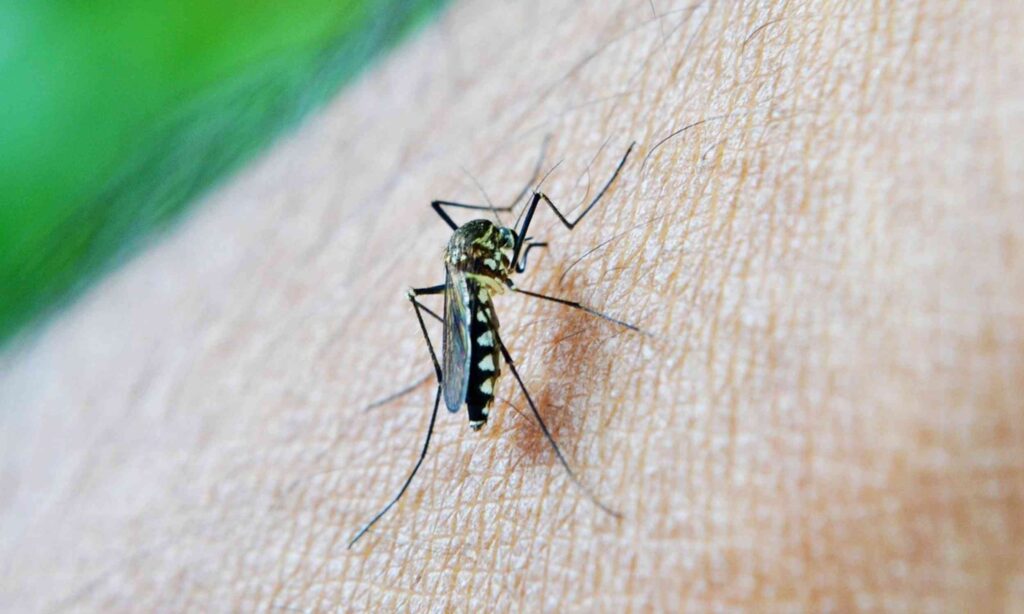
The ongoing search for more effective vaccines against dengue fever has taken a significant turn, thanks to new research findings. Scientists have discovered that dengue patients exhibiting milder symptoms show stronger, virus-fighting immune responses in their skin compared to those who require hospitalization due to severe illness. This insight shifts the focus of vaccine development to the site of infection itself, where the battle against the virus begins.
Researchers working in Singapore, led by Laura Rivino from the University of Bristol, found that the most robust T-cell responses—critical immune cells that recognize and destroy infected cells—were concentrated in the skin rather than the blood. The study involved matched samples from 73 patients and revealed that these skin-based immune responses peaked during periods of milder illness, particularly among individuals who did not require hospital care.
📰 Table of Contents
Understanding the Immune Response in Skin
Dengue infection initiates in the skin when an infected mosquito bites, injecting the virus directly into the tissue. This crucial fact underscores the importance of localized immune responses, which include T-cells that can react swiftly before the infection spreads through the bloodstream. Previous research has predominantly focused on blood tests, but these can overlook the critical immune activity occurring in the skin.
The findings indicate that many of the activated T-cells observed in the skin are likely to remain there for a prolonged period, known as tissue-resident memory T-cells. These long-lived defenders are already present within seven to ten days after the onset of fever, ready to combat the virus. The markers on these skin cells suggest they are preparing to unleash destructive proteins that target and eliminate infected cells.
When comparing patients who could be sent home versus those admitted to the hospital, researchers noted that the CD8+ T-cells—immune cells that are essential for killing off infected cells—were more abundant both in the skin and blood of milder cases. Dr. Rivino emphasized, “As dengue spreads worldwide, there is an urgent need to identify the immune responses that protect against infection and severe disease.” While this research narrows the understanding of severe dengue's complexities, it opens up new avenues for further exploration.
Implications for Future Vaccines
The study also examined the blister fluid from patients, revealing higher levels of cytokines—chemical signals that facilitate immune cell coordination—among those who were sent home. These signals are crucial for T-cell growth and memory formation, suggesting that a strong immune response is associated with milder cases. The differences in cytokine levels between patients who were hospitalized at various stages reinforce the idea that localized skin responses are not merely side effects but integral to protective immunity.
Significantly, links between skin and blood immune responses were identified, suggesting that some T-cells might move between these sites or originate from a shared pool. This connection may clarify why blood tests can sometimes reflect skin-level immune activity.
Currently, an estimated 390 million dengue infections occur globally each year, emphasizing the critical need for effective vaccines. The only vaccine recommended by the World Health Organization is limited to children aged six to 16 in high-transmission areas. The latest findings could lead to vaccines designed to stimulate skin-resident CD8+ T-cells specifically at the bite sites where mosquitoes introduce the virus, potentially improving vaccine efficacy.
This research does not emerge in isolation; earlier studies hinted at the significance of skin-bound dengue-fighting cells. In 2015, Rivino’s group identified a skin-targeting surface marker on dengue-specific blood T-cells, and the current study strengthens that link by placing these cells directly within the skin, where they are active and abundant during milder cases.
Despite the promising implications, researchers caution that more extensive studies are necessary before fully committing to skin-focused vaccine strategies. The detailed genomic analysis included only three patients, highlighting the need for broader studies to explore the full complexity of immune responses across different dengue virus types.
The research was published in Science Advances, marking a pivotal step toward rethinking how scientists approach dengue vaccine development. As understanding deepens around the role of skin in immune responses, the potential to develop effective vaccines tailored to target the initial site of infection becomes increasingly viable.
With dengue fever's global spread, the urgency to innovate effective vaccination strategies cannot be overstated. The new findings may not only lead to better protection against dengue but also refine how scientists understand immune responses to viral infections more broadly.
AGCO’s Shocking White House Move: Could This Transform Valuations Overnight? Find Out Now!

You Won't Believe How India's Smartphone PLI Program Surged Past Targets – What This Means for Your Next Phone!

She’s 94, Looks 75, and Revealed a Shocking Secret That No Dermatologist Has Ever Said—Find Out What It Is!

Iowa's Shocking Tax Hike on HMOs: What This Means for Your Wallet—Don't Miss This!

Clippers' Shocking Last-Minute Playoff Clinch: You Won't Believe How They Did It!

Meta's Shocking AI Demand: Engineers Must Innovate or Face Layoffs—Are You Next?
You might also like: