
This Shocking Marine DNA Rescue Project Could Save 1,000 Species—Are You Missing Out?

The race to preserve marine biodiversity has taken on an urgent tone at Northeastern University’s Ocean Genome Legacy Center in Nahant, Massachusetts. “It’s not difficult to do,” says Dan Distel, a marine biologist and the center's director. “It’s not expensive to do. And of course, if we miss the opportunity, it’s too late.” These sentiments underscore the critical need for biorepositories that can safeguard genetic material from species that are rapidly disappearing due to climate change.
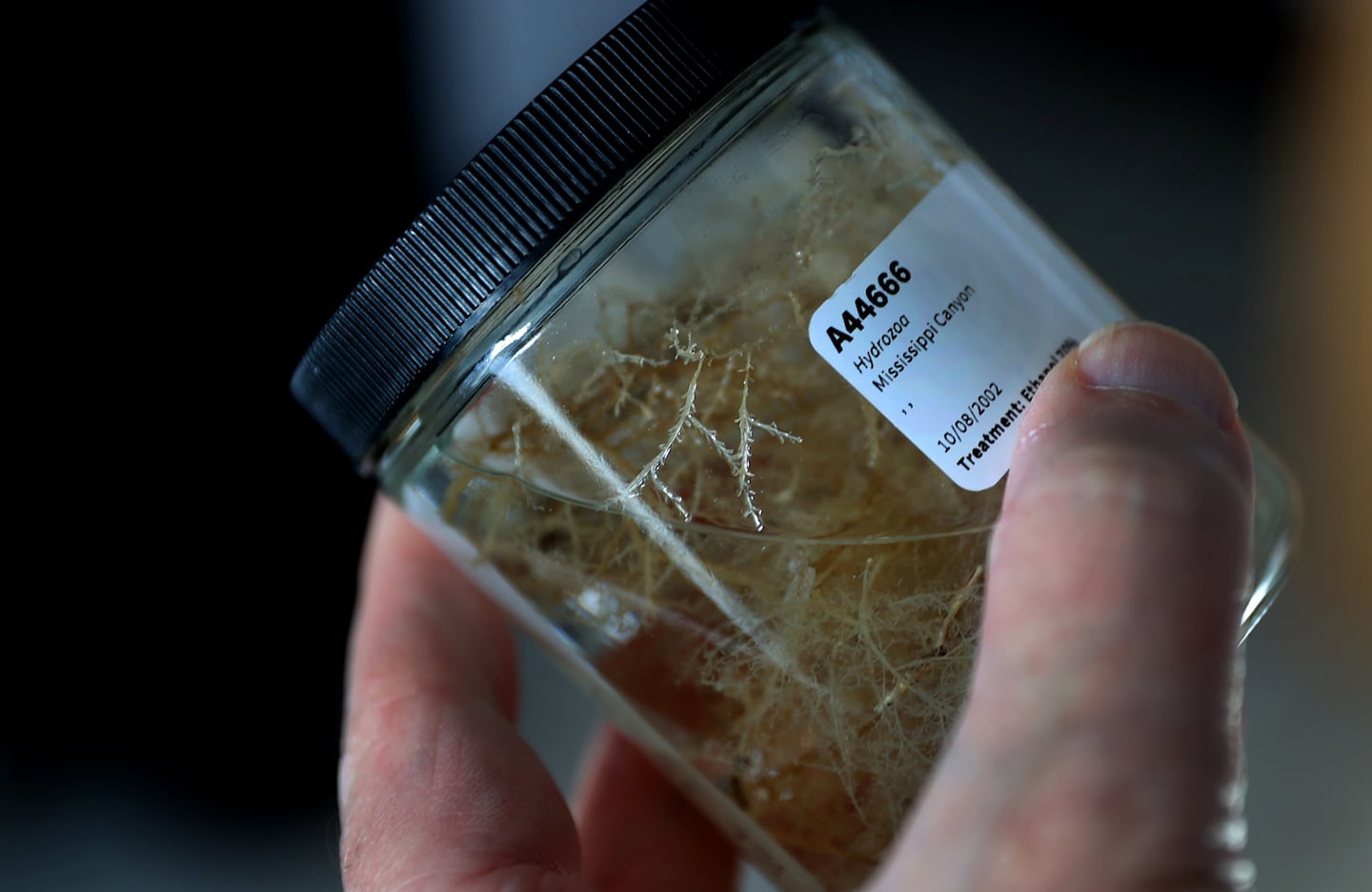
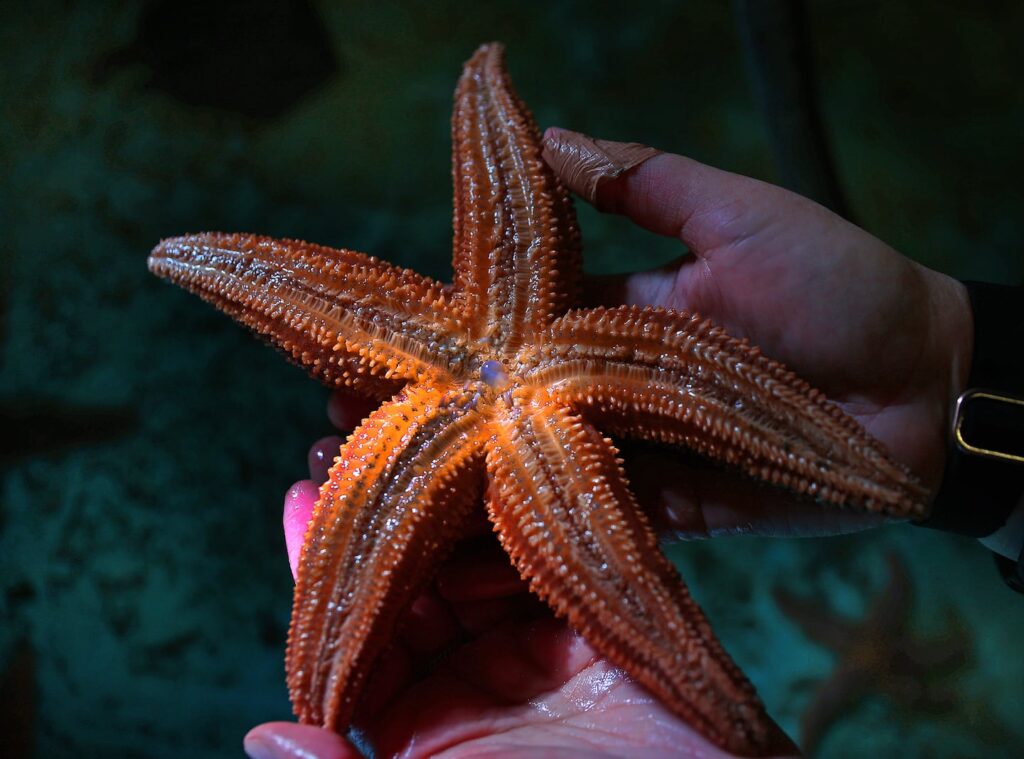
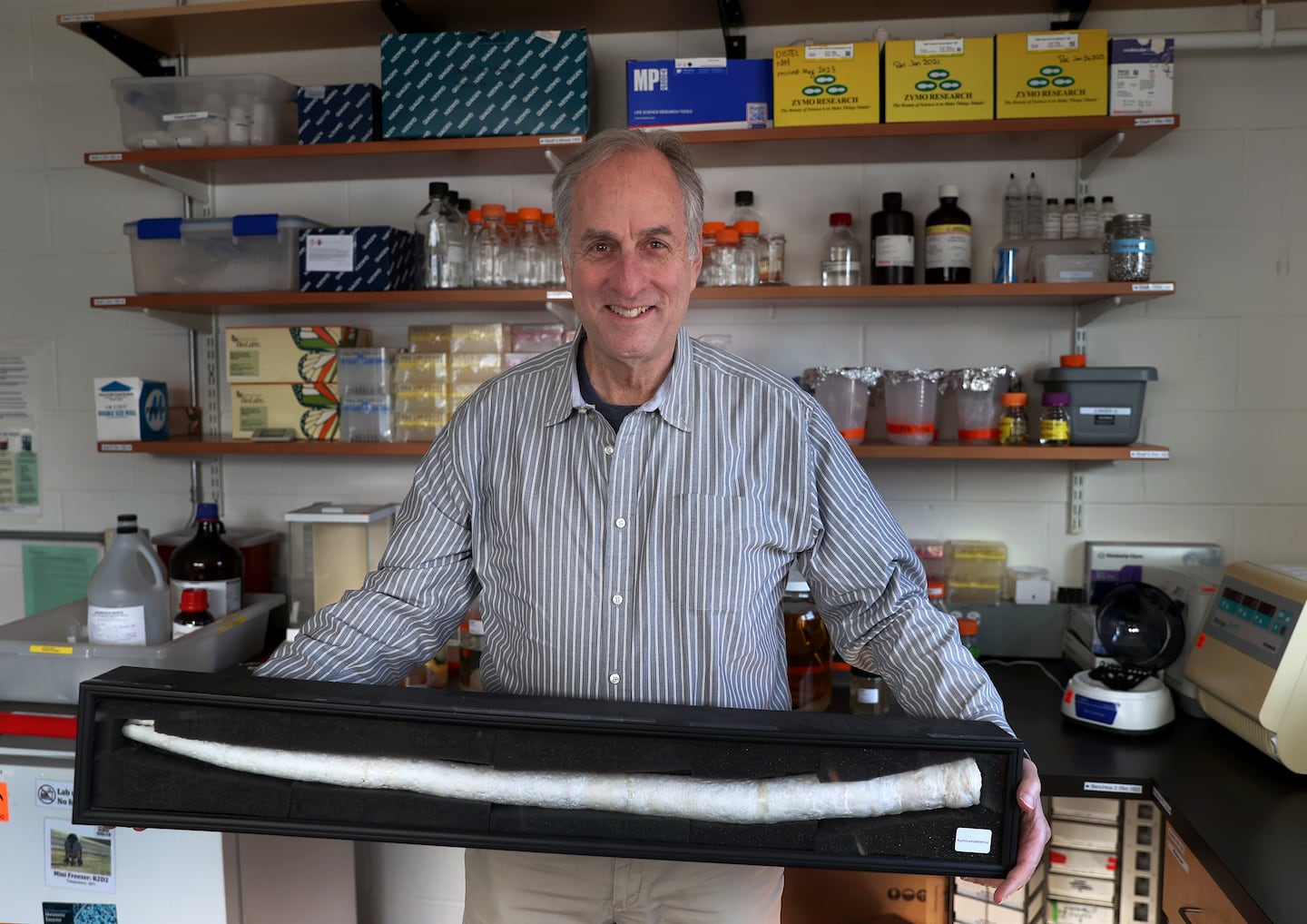
The Ocean Genome Legacy Center is a veritable treasure trove of marine life, housing over 31,000 DNA samples and 28,000 tissue samples. While many specimens are local, like the spiky sea urchins and flatfish, the center also hosts unique varieties, including a giant shipworm and curious marine mussels. Distel describes the shipworm, a creature that can be found in only one location worldwide, as a near-extinct species. This highlights the center's critical role in tracking global marine trends and providing a baseline understanding of species health.
The center, established in 2004 by biotechnology pioneer Donald Comb, was the first ocean-focused public DNA bank in the United States. Comb was inspired to act after reading an academic article questioning why scientists were not preserving DNA from disappearing organisms. During his lifetime, he expressed a belief that one day we might be able to bring back some species from extinction: “When a species goes extinct, you lose a lot of information,” Comb once stated.
As climate change continues to wreak havoc on marine ecosystems, the Nahant collection has become increasingly vital. It has informed countless studies, helping scientists to understand how species adapt—or fail to adapt—to changing conditions. For instance, in the Gulf of Maine, warming waters are forcing lobsters to migrate, altering whale patterns, and allowing invasive species like green crabs to proliferate.
The center has also shed light on the dire situation of marine species affected by disease. Angela Jones, a PhD candidate in marine and environmental sciences at Northeastern, studies sea stars, which have been experiencing drastic population declines due to a condition known as sea star wasting disease. She collects samples for DNA extraction to better understand how these species might adapt to worsening conditions.
“It’s important to understand what the species are like now so that we can understand how they change under worsening conditions,” Jones explains. The data collected serves not only to benefit her research but also contributes to a global biodiversity database that is freely accessible for scientists around the world.
Furthermore, researchers are leveraging the center's resources in innovative ways. For example, Noam Vogt-Vincent, an associate professor of climate science at Oxford, utilized the center’s database to develop a predictive model for coral population responses to climate change. With the repository housing samples from various locations, including Florida and the Great Barrier Reef, Vogt-Vincent could access data he would not have been able to gather on his own.
“To get a holistic global understanding of how these ecosystems respond to environmental change, we absolutely have to have these global data,” he asserts, emphasizing the importance of such biorepositories in the fight against climate change.

The legacy of the Ocean Genome Legacy Center is not just in its samples but also in the proactive stance it represents regarding marine conservation. In a world where the consequences of climate change are increasingly evident, the need for such repositories could not be more pressing. As Distel and his team continue their vital work, they remain acutely aware of the ticking clock—if we don’t act to preserve these species, it may soon be too late.
For more information on the Ocean Genome Legacy Center or to access their database, you can visit their website or contact them directly.
Chiefs Drop a Bombshell: 4 Roster Changes That Could Change Everything Against the Broncos!

Jen Shah Breaks Silence: Shocking Secrets from Life Behind Bars That Will Leave You Speechless!

Police Surprise Health Care Heroes with Shocking Holiday Gifts – You Won’t Believe What They Got!

Nvidia's Shocking $20 Billion Gamble: What This AI Chip Acquisition Means for Your Future!

Is Your Midnight Snack Killing You? Doctors Say These 5 Common Foods Are Sabotaging Your Sleep!

You Won't Believe Who Sold the Most Jaw-Dropping $10M Homes in Camden County Last Week!
You might also like: