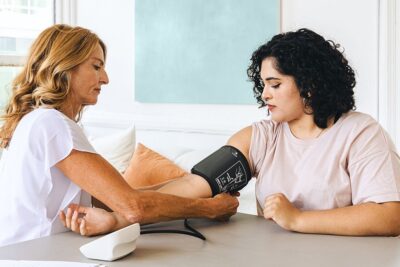
This Shocking High-Dose Shot Could Slash Seniors' Dementia Risk by 55%—Are You Missing Out?


A new study suggests that older Americans who receive a high-dose version of the influenza vaccine may face a significantly lower risk of developing Alzheimer’s dementia compared to those who opt for the standard shot. This finding is particularly noteworthy given the alarming rise in Alzheimer’s cases across the United States.
As of now, more than 7 million Americans are living with Alzheimer’s, the most common form of dementia, which now claims more lives each year than breast and prostate cancer combined. If trends continue, this number could soar to a staggering 13 million by 2050, with a new case emerging every 33 seconds.
Scientists are now investigating the potential protective effects of the high-dose flu vaccine. Since 2022, the CDC has recommended that adults aged 65 and older receive a flu shot that is approximately four times stronger than the standard version. This recommendation is based on the understanding that our immune systems weaken with age, making older adults more susceptible to severe flu complications.
Previous research from UTHealth Houston showed that seniors who received the standard flu shot were already 40% less likely to develop Alzheimer’s over four years compared to those who skipped it. The new study, which involved nearly 200,000 adults aged 65 and older, found that the high-dose version cut Alzheimer’s risk by nearly 55% within about two years. While both men and women experienced a decrease in risk, the benefits appeared to be more pronounced and longer-lasting in women, although researchers have yet to determine why.
Looking to the future, scientists are exploring how the high-dose flu vaccine may help combat Alzheimer’s. One leading theory suggests that it enhances the immune system while reducing inflammation in the brain, which is believed to play a significant role in the disease’s progression. The authors of the study explained, “Enhanced [flu vaccines] confer greater protection against influenza infection, thereby decreasing risk of severe illness and the associated systemic inflammation that can promote neuroinflammation and neurodegeneration.”
Despite these promising findings, the research does have its limitations. One concern is healthy-user bias; individuals who choose to receive a high-dose flu shot may also engage in other health-promoting behaviors that could lower their dementia risk. Other gaps in the research include missing information on mortality rates and socioeconomic factors.
Nevertheless, these findings align with a growing body of evidence that indicates certain vaccines may provide additional benefits for brain health. Recent studies have suggested that the shingles vaccine may not only reduce dementia risk but also slow cognitive decline in individuals already diagnosed with the condition. Similar protective effects have also been observed with the RSV and Tdap vaccines.
Interestingly, these new insights come at a time when vaccination rates among older adults are declining. In 2024, only 67.1% of Americans aged 65 and older received some form of flu shot, down from 70.5% in 2019. Given the potential for the high-dose flu vaccine to offer significant protective benefits against both influenza and Alzheimer’s, the findings underscore the importance of maintaining vaccination rates in this vulnerable population.
In conclusion, while the high-dose flu vaccine is primarily designed to protect older adults from severe influenza, emerging research indicates it may have far-reaching benefits in reducing the risk of Alzheimer’s dementia. As scientists continue to investigate the underlying mechanisms, this study serves as a reminder of the critical importance of annual vaccinations for older Americans.
Young Adults Under 40: The Shocking 27% Risk of Hypertension You Can't Ignore! Find Out Why!

Unlock the Secret to Eye Health: 3 Shocking AREDS2 Facts You Can’t Afford to Ignore!

You Won't Believe How Farmley's 'Daily Fuel' Challenge is Transforming Healthy Snacking—Are You In?
Nikola Topic’s SHOCKING NBA Comeback: What OKC Blue Fans NEVER Saw Coming!

Unlock the Secret: How Retatrutide is Shocking Fitness Gurus—Will You Be Left Behind?

Is the Stairclimber Machine a Secret Weight Loss Hack or Just Overhyped? You Won't Believe the Results!
You might also like: