
This Shocking Blood Test Could Uncover Heart Disease Risks 3 Times Better Than LDL—Are You at Risk?

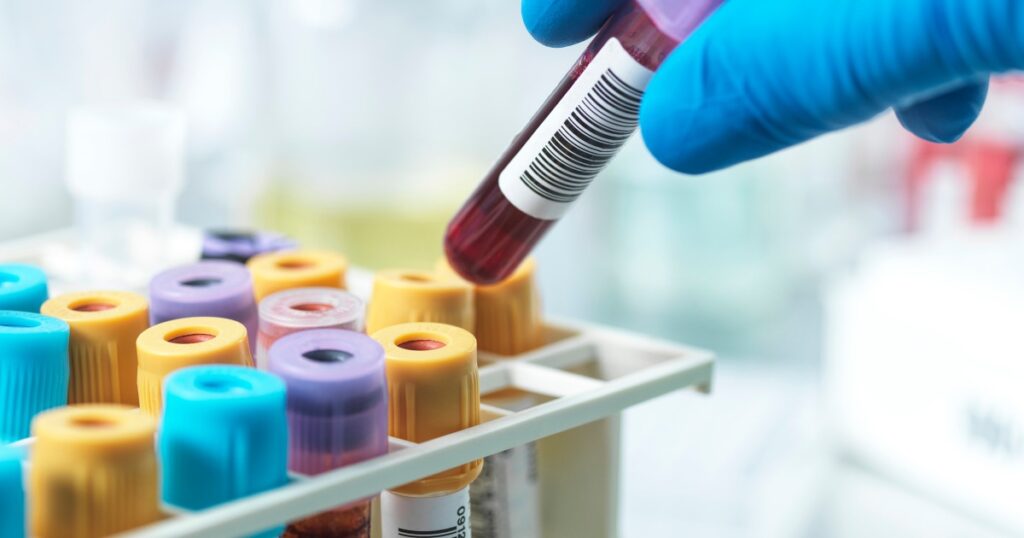
When it comes to heart health, most of us are familiar with the term “bad” cholesterol, or LDL (low-density lipoprotein). This substance is screened during routine physicals, as elevated levels are a significant risk factor for heart disease. However, recent research suggests that there may be a more telling indicator lurking in our blood: apolipoprotein B (apoB).
ApoB is a protein that attaches to harmful fat particles in the blood. It is present on the surface of lipoproteins, such as LDL, which contribute to the buildup of plaque in arteries. Each of these harmful particles contains one apoB molecule, making the apoB test a comprehensive measure of the overall number of harmful compounds that could lead to heart disease.
Dr. Ann Marie Navar, a preventive cardiologist at UT Southwestern Medical Center in Dallas, emphasizes that while LDL is a key metric for assessing heart disease risk, simply having a normal LDL level doesn't guarantee safety. Some individuals may have elevated apoB levels despite having normal LDL levels, a situation known as discordance. Factors such as being overweight, having diabetes, or elevated triglycerides increase the likelihood of this mismatch.
The American Heart Association’s current guidelines do not recommend routine apoB testing for all individuals, only for those with high triglycerides. However, Dr. Navar advocates for its inclusion in routine screenings, believing that all adults should have their apoB levels checked. This perspective is echoed by Dr. Samia Mora, a cardiologist and director of the Center for Lipid Metabolomics at Brigham and Women’s Hospital, who advises testing for the protein at least once to ensure alignment with LDL results.
The Importance of ApoB Testing
Heart disease remains the leading cause of death for both men and women in the U.S. According to Dr. Thomas Dayspring, a fellow with the National Lipid Association, the apoB test is crucial for evaluating the hardening of arteries caused by plaque buildup. “ApoB is by far the best metric that every human should get tested for when they do their cardiovascular risk assessments,” he asserted during a recent podcast appearance.
The apoB test directly measures the number of artery-clogging particles in the blood. As Dr. Mora explains, while LDL cholesterol indicates how much cholesterol is being carried, apoB reveals how many LDL particles are present. Dr. Jeffrey Berger, a preventive cardiologist at NYU Langone, describes apoB as offering a “practical and comprehensive way” to assess cholesterol burden, which is critical for preventing plaque formation.
Despite its importance, less than 1% of adults in the U.S. have undergone apoB testing, according to a 2024 study published in The American Journal of Preventive Cardiology. This statistic raises concerns, especially considering the recent surge in interest surrounding the protein among health influencers and commercial blood testing services. For instance, the Sweetgreen salad chain has collaborated with the testing company Function Health to promote apoB screenings alongside its menus.
Dr. Michael Shapiro, a preventive cardiologist and chair of the American Heart Association Council on Lipidology, Lipoprotein, Metabolism & Thrombosis, typically recommends the apoB test for patients undergoing lipid-lowering therapy, such as statins. He notes that while insurance may cover the test in some cases, it generally costs around $70 when performed at a lab.
As for target levels, while there aren't definitive guidelines, apoB values below 90 mg/dL are generally regarded as acceptable. Some experts suggest that aiming for lower targets, around 70 mg/dL, may be more optimal for preventing heart disease. However, the more pressing concern highlighted by Dr. Navar is that nearly 25% of eligible adults haven’t been screened for cholesterol in the past five years, according to research from Johns Hopkins University.
Incorporating apoB testing into routine health screenings could significantly enhance our understanding of individual heart disease risks. As awareness of this important biomarker grows, it’s crucial for patients to discuss with their healthcare providers whether adding this test to their cardiovascular risk assessments makes sense. With heart disease remaining a leading health threat in the U.S., staying informed about all relevant risk factors is more vital than ever.
Is Bad Bunny Really Planning to Dazzle in a Dress at Super Bowl LX? 5 Shocking Reasons You Can't Miss This!

Apple's Bold New Move: How Their Shocking Changes in Payments, Car Tech, and Health Could Leave You Behind!

Shocking Super Bowl 60 Predictions: Are Seahawks Set to Defy All Odds and Shock the NFL?

Kelly Piquet's Shocking New Post Reveals a Hidden Truth That Changes Everything – Don't Miss This!

Top NFL Scouts Deliver SHOCKING Reality Check to Former No. 1 College Football Star – Will He Make the Cut?

Portugal's Presidential Showdown: What Happens If the Underdog Wins? You Won’t Believe the Consequences!
You might also like: