
“This Revolutionary Vaccine Could Change Everything for Triple-Negative Breast Cancer—Find Out How!”

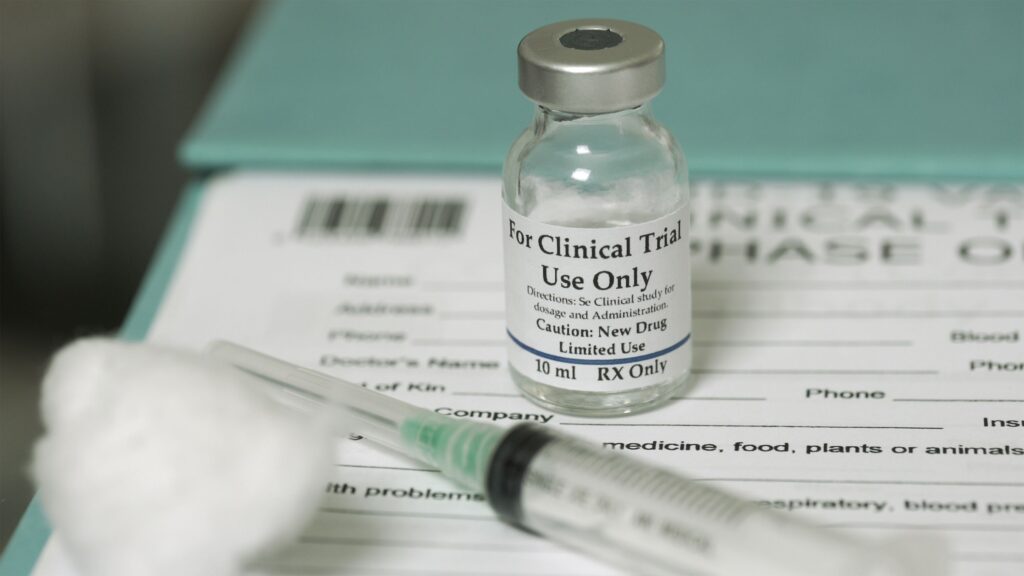
A novel vaccine targeting α-lactalbumin has shown promising results in preventing triple-negative breast cancer (TNBC), according to a phase 1 trial presented by researchers at the Cleveland Clinic. The study reported that 74% of participants exhibited an immune response, marking a significant step forward in the fight against this aggressive subtype of breast cancer, which is known for its higher prevalence among Black women.
Triple-negative breast cancer accounts for 10% to 15% of breast cancer cases and is characterized by a challenging prognosis and higher mortality rates. This underscores the urgent need for effective preventive strategies. The investigational vaccine not only demonstrated a favorable safety and tolerability profile across all cohorts but also represents a potential breakthrough in addressing an unmet need in cancer treatment.
“The results from this trial are promising, as they suggest the investigational vaccine is not only safe and well tolerated but also capable of inducing immune responses in over 70% of participants,” said G. Thomas Budd, MD, lead study investigator from Cleveland Clinic’s Cancer Institute.
The phase 1 clinical trial (NCT04674306), which began in 2021, enrolled 35 patients across three distinct cohorts. In phase 1a, 26 patients who had recently completed treatment for early-stage TNBC participated, all of whom were tumor-free but faced significant odds of recurrence. Phase 1b consisted of five patients with genetic mutations linked to an increased risk of breast cancer, who opted for preventive mastectomy. Finally, five patients in phase 1c were treated for early-stage TNBC while receiving pre-operative chemoimmunotherapy and also took pembrolizumab, with their recurrence risk determined by residual cancer in breast tissue.
The vaccine targets α-lactalbumin, a protein associated with lactation that is absent in normal aging breast tissues but frequently found in TNBC tumors. The aim is to stimulate the immune system to attack these cancerous cells if they develop. The foundation for this approach was laid by research conducted by Vincent Tuohy, PhD, a distinguished chair in innovative breast cancer research at the Cleveland Clinic, which demonstrated significant immune activation benefits in mice.
As a direct consequence of these findings, investigators plan to launch phase 2 clinical trials to further evaluate the vaccine’s effectiveness in preventing TNBC. The findings were presented at the San Antonio Breast Cancer Symposium, where Julia Johnson, PhD, a researcher at the Cleveland Clinic, noted, “Our findings that the majority of participants across all three cohorts demonstrated an immune response to α-lactalbumin is an encouraging sign for the vaccine’s potential moving forward.”
In addition to this research, the American Medical Association issued guidelines in June 2025 aimed at reducing breast cancer risk through lifestyle changes. These include a plant-based diet, regular physical activity, moderation or avoidance of alcohol, and maintaining a healthy body weight. However, barriers such as time constraints and reimbursement issues in clinical settings can hinder the implementation of these recommendations. To address this, experts suggest referring patients to registered dietitians for comprehensive lifestyle coaching.
The “Let’s Beat Breast Cancer” campaign, initiated by the Physicians Committee for Responsible Medicine, aims to empower women and significantly reduce breast cancer risk. Dr. Barnard, a notable advocate in this campaign, highlights the importance of delegating nutritional guidance to registered dietitians to ensure effective risk reduction strategies.
This groundbreaking vaccine research not only emphasizes the need for continued innovation in cancer prevention but also points to the growing recognition of personalized medicine in addressing specific subtypes of cancers that disproportionately affect certain demographics. As the study progresses into phase 2 trials, hope rises for more effective and targeted approaches to breast cancer, particularly for those at higher risk.
North College Hill High's Shocking Decision: Tyler Williams Takes the Helm—What’s at Stake?
You Won't Believe What This Celebrity Did—Legal Issues Could Change Everything!

Cadillac's Mysterious Post Has Fans Speculating: Will They Unveil a Game-Changer or Leave Us in the Dark?

Is Your Pursuit of Happiness Based on a 2,500-Year-Old Lie? Discover the Shocking Truth!

Neal McCoy's Shocking White House Appearance: 5 Secrets That Will Leave You Speechless!

You Won't Believe How RIFFAI is Revolutionizing Earth Intelligence—Is Your Future at Risk?
You might also like: