
Thieves Return Stolen Phones—But Only if They’re NOT iPhones! You Won’t Believe Why!

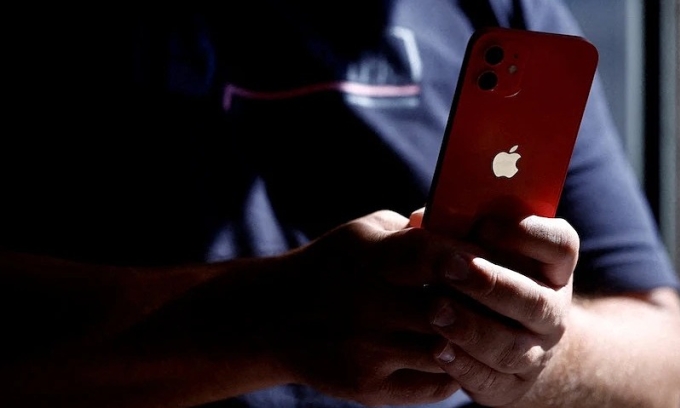
In London, where the hustle and bustle of city life meets the ever-evolving landscape of technology, smartphone theft has become a concerning trend. Recent accounts shared with local news site London Centric reveal the unexpected emotions that accompany such unsettling experiences. Sam, a 32-year-old who was mugged, recounted an incident where a gang member handed back his stolen Android device, stating, “Don’t want no Samsung.” This interaction speaks volumes about the current climate of theft in the city and the nuanced preferences of thieves.
Mark, another victim, explained how he was outside his workplace when a thief on an e-bike snatched his Samsung Galaxy phone. Despite his efforts to chase the thief, he quickly realized he was no match for the speed of the bike. To his astonishment, the thief stopped, took a quick look at the phone, and tossed it onto the road before speeding off. Mark was able to retrieve his phone undamaged, but reflected on the encounter with a sense of humiliation, sharing, “If anything I feel a bit rejected.”
Simon had a different yet equally unnerving experience on Brockley High Street. When approached by a young man who asked if he used Spotify, Simon thought it was a friendly encounter. However, when he took out his phone to open the app, the man’s demeanor changed. He glanced at Simon’s Samsung device and walked away. Shortly after, Simon overheard the thief tell an accomplice, “Phone’s dead, innit,” realizing he had narrowly avoided an attempt at theft.
The rise in mobile phone thefts in London has not gone unnoticed by authorities. According to reports, a staggering 80,000 phones were stolen in the city last year, earning London a dubious reputation as a hotspot for phone theft across Europe. The Metropolitan Police have ramped up efforts to combat this growing issue, noting that thieves often operate in groups, masked and using e-bikes for quick getaways, targeting both residents and tourists.
While the Metropolitan Police and the City of London Police do not maintain official statistics on the types of smartphones stolen, trends suggest that thieves appear to favor iPhones over Android devices. Jake Moore, a cybersecurity advisor, explained that the resale value plays a significant role in targeting decisions. He noted, “Thieves are more likely to target iPhones due to their higher resale value.” The security features of Android and iPhone devices are comparable, making the choice of target less about ease of access and more about profit potential. Moore highlighted that fundamentally, the resale value drives thieves’ interests.
This emerging trend raises questions about the implications for users of both Android and iPhone devices. For many Americans, especially those who rely heavily on their smartphones for daily tasks, concerns about theft can influence purchasing decisions. The luxury and status associated with owning an iPhone may inadvertently make these devices more appealing targets for criminals.
As technology continues to evolve, users must also become more vigilant. Understanding the dynamics of smartphone theft and the motivations behind it can empower individuals to take proactive measures such as utilizing security features, being cautious in public spaces, and considering insurance options for high-value devices.
Ultimately, the experiences shared by Sam, Mark, and Simon highlight the emotional and psychological toll that such incidents can have on victims. The sense of vulnerability that arises from being targeted can linger long after the physical items have been returned or replaced. In a world increasingly reliant on technology, the safety of our devices and the experiences associated with them become intertwined, prompting a broader reflection on safety in urban environments.
Your Browser is Putting You at Risk! 7 Shocking Reasons You MUST Upgrade NOW!
Is Your Home's Value About to Plummet? Shocking Secrets About the Stock Market Crash Revealed!

How Medfield’s Girls Soccer Shockingly Avenge Last Year’s Heartbreak to Clinch the Div. III Title!

UK's Shocking Plan: Will You Be Affected by the End of Smartphone Imports? Discover the Hidden Consequences!
You Won't Believe What This $40 App Can Do – Transform Your Phone Into a Scanner That Outsmarts $500 Devices!

Ross-on-Wye Housing Prices Skyrocket by 50%—Is Your Dream Home Now Out of Reach?
You might also like: