
These 5-Minute 'Exercise Snacks' Could Change Your Life—Are You Missing Out on Major Health Benefits?

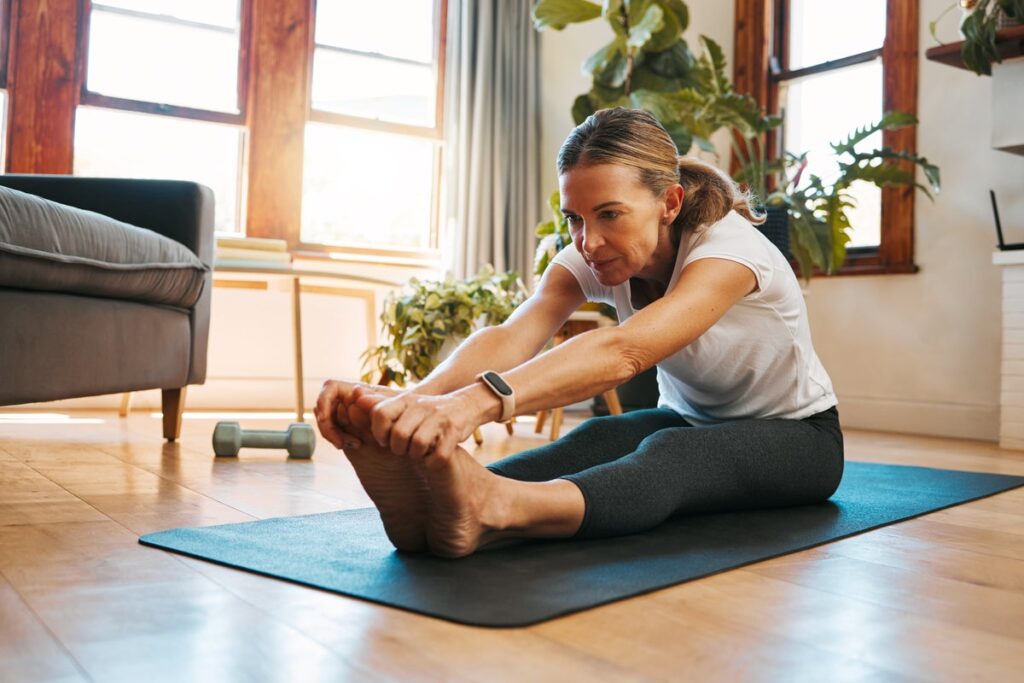
Your fitness tracker may be urging you to hit the magic number of 10,000 steps or log 30 minutes of cardio daily. But what if improving your health could take just a few minutes? Emerging research suggests that this is not just a fantasy; it’s entirely possible with the concept of "exercise snacks."
Exercise snacks refer to short, vigorous bursts of physical activity, often lasting less than a minute, sprinkled throughout your day. Picture taking the stairs instead of the elevator, doing a quick set of squats during a work break, or performing jumping jacks before lunch. Unlike traditional workouts, which are often planned and back-to-back, exercise snacks are interspersed with your routine activities like working, commuting, or watching TV.
This approach is distinct from high-intensity interval training (HIIT), where multiple intense bursts of activity are packed into a short workout. Instead, exercise snacks resemble grazing rather than a full meal. The efficacy of this method has gained traction, especially among individuals who find it challenging to integrate longer workouts into their busy schedules.
A recent meta-analysis in the British Journal of Sports Medicine revealed significant benefits of exercise snacks for previously sedentary adults. The review found that these brief sessions markedly improved cardiorespiratory fitness, a crucial indicator of heart and lung performance during physical activities. Notably, 83% of participants maintained their exercise routines for up to three months, showcasing the method's appeal and sustainability.
The Science Behind Exercise Snacks
Globally, about a third of adults fail to meet recommended physical activity levels, citing lack of time and motivation as primary barriers. Exercise snacks directly address these challenges. For example, a 2019 study had sedentary young adults climb a three-flight stairwell three times daily, with intervals of one to four hours for recovery. Each session included a brief warm-up of jumping jacks, squats, and lunges. After six weeks, significant improvements in cardiorespiratory fitness were observed in the stair climbers compared to a control group.
The efficiency of exercise snacks is particularly striking. Current guidelines suggest 150 minutes of moderate-intensity or 75 minutes of vigorous activity weekly. However, this new form of exercise can yield health benefits in just a few minutes each day. For instance, a recent randomized controlled trial compared stair-climbing exercise snacks to a traditional 40-minute cycling session three times weekly. Remarkably, the stair-climbing group improved their fitness by 7%, while the cycling group showed no significant change.
Moreover, a large-scale study involving over 25,000 sedentary adults found that just three to four minutes of vigorous activity daily—such as fast walking or stair climbing—was linked to a 40% reduction in the risk of dying from any cause, and nearly a 50% lower risk of dying from cardiovascular disease compared to their inactive peers.
Additional research indicates that exercise snacks can also have beneficial effects on blood sugar levels. Short, intense exercise sessions before meals may mitigate post-meal spikes in blood sugar among individuals with insulin resistance, a precursor to type 2 diabetes. This could be vital for those concerned about their metabolic health.
The adaptability of exercise snacks is one of their strongest features. No special equipment or gym membership is necessary, and you don’t even have to change your clothes. Here are some simple ways to incorporate these snacks into your day:
- Stair climbing: If you work in a tall building or live in an apartment, utilize the stairs. Aim for vigorous climbing—enough to get your heart racing—for 20-60 seconds, two to three times daily. Previous research indicated that women who gradually increased their stair climbing to five ascents per day saw a 17% improvement in fitness in just eight weeks.
- Brisk walking: Engage in quick walking bursts. A one-minute brisk walk around the office or a rapid lap of your garden can be effective. Ensure you walk fast enough that holding a conversation becomes difficult.
- Bodyweight exercises: Simple exercises like squats, lunges, or wall push-ups can be done almost anywhere. Consider doing a set of ten squats every time you get a drink or some wall push-ups before lunch. The key is to raise your heart rate significantly.
Consistency is paramount—research shows that even very brief sessions, as short as 20 seconds, can improve fitness if performed regularly. The trick is to integrate these snacks into your existing habits, whether that’s climbing stairs before your morning coffee or doing squats during commercial breaks on TV.
While exercise snacks won't replace the comprehensive benefits of a full fitness program, they provide a practical entry point for the millions who struggle to find time for traditional workouts. The most significant health improvements often arise when someone transitions from inactivity to engaging in even minimal physical activity. So, the next time you find yourself waiting for the kettle to boil or have a few minutes between meetings, consider indulging in an exercise snack. Your heart—and overall health—will thank you.
Unlock Your Future: Why Joining Varsity’s Social Media Team This Lent Could Change Your Life Forever!

Wake County Public Health's Shocking Move: What It Means for Your Health and Safety!
Crunch Fitness Hits 1 Million Members! What This Shocking Growth Means for YOU!

Governor Youngkin's Shocking Grant Could Transform the Eastern Shore—Will You Benefit?

Utah's Health Workforce on the Brink: What You Won't Believe is Causing the Crisis!
Shocking Study Reveals RSV Vaccine's Unexpected Impact on Organ Transplant Patients—You Won't Believe the Results!
You might also like: