
Tesla's Shocking Downfall: How a Chinese Rival Just Claimed the EV Crown—What This Means for You!

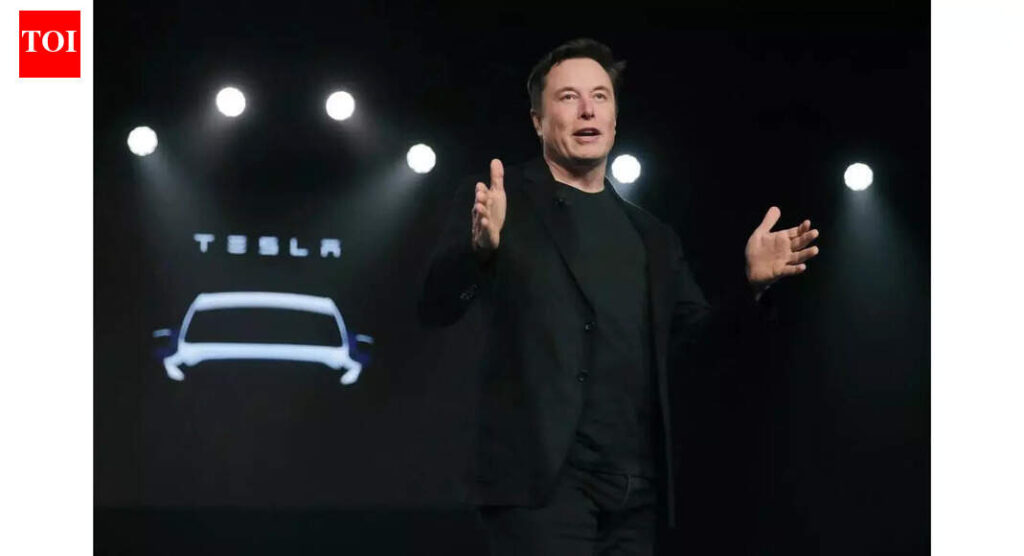
Tesla, the American electric vehicle pioneer, has officially lost its title as the world’s largest seller of battery electric vehicles (BEVs) to the Chinese automaker BYD. This shift marks a significant turning point in the electric vehicle market, particularly as it is the first time since 2018 that Tesla has relinquished its crown. In 2025, BYD reported remarkable sales of **2.25 million BEVs**, representing a **28% increase** from the previous year. Meanwhile, Tesla’s sales fell to **1.64 million units**, reflecting an **8.5% decline**.
This change in leadership comes after years of dominance by Tesla, led by CEO **Elon Musk**, who previously dismissed the notion of BYD posing a serious threat. However, the Shenzhen-based company has rapidly evolved its strategy, leveraging a diverse product lineup that caters to various consumer segments. From high-end supercars priced at **$200,000** to budget-friendly options like the **$7,800 Seagull hatchback**, BYD has managed to capture a broad market while simultaneously innovating in technology, offering features like five-minute EV charging and autonomous driving capabilities at no extra cost.
BYD's ascent has also been fueled by its aggressive international expansion plans. The company intends to establish **1,000 new stores in Europe** after outpacing Tesla's sales in that region for the first time in May 2025. In 2024, BYD shipped **4.6 million vehicles** when including plug-in hybrids—an area where Tesla does not compete, highlighting BYD's extensive reach within the electric vehicle market.
In contrast, Tesla has faced a challenging year. Its Q4 sales plummeted by **16% year-over-year**, a decline exacerbated by the U.S. government’s removal of a **$7,500 EV tax credit** in September, which contributed to an industry-wide downturn. Additionally, Tesla’s sales in Europe suffered due to backlash against Musk’s controversial political views. In China, Tesla encountered fierce competition from BYD and other local automakers offering affordable and technologically advanced EVs.
Despite its recent success, BYD is not without its challenges. The company faces significant competition from local rivals like **Geely**, as well as a government crackdown on EV discounting. Recently, BYD experienced a **10% drop** in sales in December and a **20% fall** in stock price over the past six months. Nevertheless, its global ambitions and expanding operations suggest it remains well-positioned to sustain its growth trajectory.
This shift in market dynamics not only signifies changing consumer preferences but also highlights the increasing competitiveness of the global EV landscape. As manufacturers like BYD rise, established players such as Tesla must adapt to maintain their market share, particularly in regions where they face heightened competition and changing regulatory environments.
As the electric vehicle market continues to evolve, the rivalry between Tesla and BYD will undoubtedly shape the future of this industry. For American consumers, this competition may lead to a broader selection of vehicles, greater technological advancements, and potentially lower prices, all of which are vital as the transition to electric mobility accelerates.
Is This Start-Up’s Guilt-Free Millet Snack the Secret to Weight Loss? You Won’t Believe What’s Inside!

India's Shocking IMO Council Win: What This Means for Global Ocean Control!

You Won’t Believe the Shocking Plot Twists Coming in 2026’s Most Anticipated Shows!

Trump's Health Crisis: What the White House Isn't Telling You Could Change Everything!

Is Your Child’s Holiday Sugar Fix Harming Their Health? Shocking Truths Revealed!

Is the White House Secretly Hiding 7 Titles That Could Change Everything? You Won't Believe What They Are!
You might also like: