
Tennessee's Vaccine Debate: Are Politicians Putting Lives at Risk? Shocking Statistics Inside!

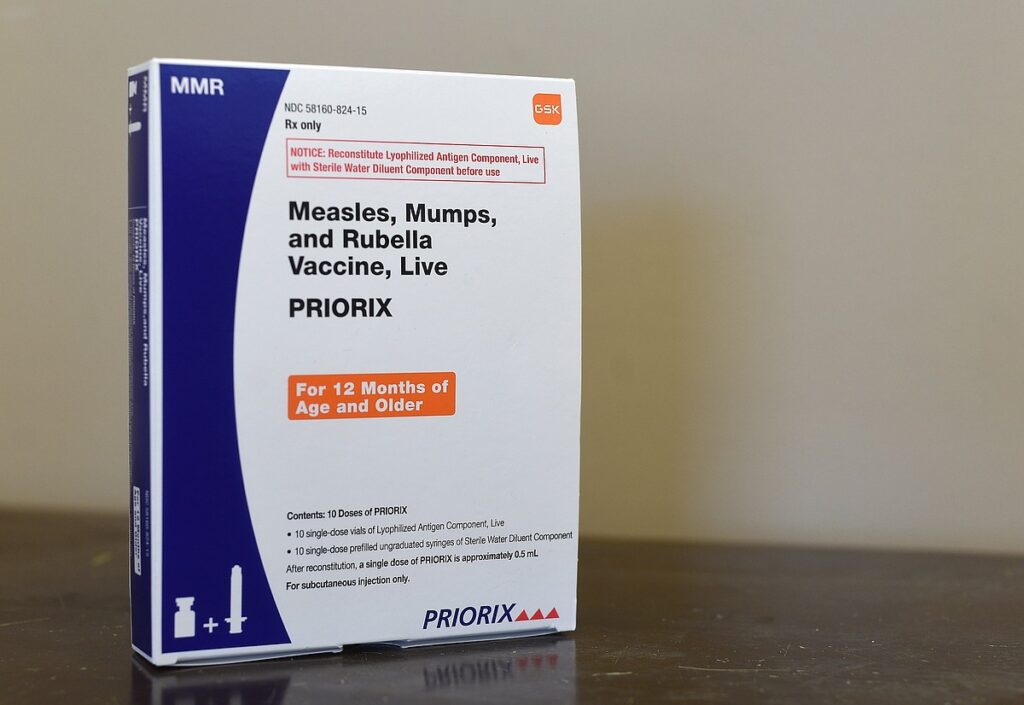
As a family physician in Tennessee, I have the privilege of caring for people at every stage of life, from newborns to grandparents, often all within the same family. Regardless of their backgrounds—race, ethnic origin, socioeconomic status, or political views—my patients share fundamental priorities: they want to stay healthy, avoid the hospital, and protect their loved ones.
This is why I recommend vaccines as part of their overall preventive care plan. Much like wearing a seatbelt, vaccines don’t eliminate all risks, but they significantly improve the odds of staying alive and healthy.
However, I understand that immunization is a personal choice. Each day, I see patients grappling with conflicting information from various sources, some reliable and others not. Misinformation has permeated public discourse at both state and federal levels, leading families to question the safety and necessity of certain vaccines. This growing skepticism is alarming; declining vaccination rates can lead to outbreaks of preventable diseases.
In Tennessee, the situation is increasingly concerning. For the first time since 2008, nearly every county in the state failed to meet the target measles vaccination threshold among kindergartners for herd immunity. In Williamson County, the rate has dropped below 50%. The state recorded its first measles case in five years in 2024, and the eight cases reported in 2025 were the highest in a decade. If vaccination rates continue to decline, we could find ourselves facing a crisis similar to that of South Carolina, which recorded nearly 1,000 measles cases this year—representing the largest measles outbreak in the U.S. in over 30 years.
To combat this misinformation, I advise my patients to have open conversations with their doctors about vaccines. It’s essential to understand what a vaccine does, how it works, and how it fits into one's overall health, especially during peak viral seasons.
Each year, we witness a predictable rise in illnesses like influenza, COVID-19, RSV, and other respiratory infections. This respiratory season has been particularly tough, with these viruses spreading easily and posing serious risks, especially for young children, older adults, pregnant women, and those with chronic conditions. Unfortunately, far too many Tennesseans face these threats without adequate protection.
While I counsel my patients to vaccinate, I also understand their hesitations and encourage questions. My role as a physician is to listen, explain the science clearly, and help families make informed decisions that prioritize their health. This guidance is grounded in the Academy of Family Physicians' vaccine schedules, encompassing recommended immunizations for children under 18 years and a comprehensive set for adults and pregnant individuals. These guidelines are based on scientific evidence and best medical practices, free from political influence.
The evidence overwhelmingly indicates that vaccines don’t always prevent illness, but they significantly reduce the severity, risk of hospitalization, long-term complications, and death. Vaccination helps keep children in school, parents at work, and families out of emergency rooms.
If you're still uncertain about vaccinations, I implore you not to base your decisions on sensational headlines or social media posts. Instead, engage in a thorough discussion with your family doctor—someone who understands your medical history and family dynamics. We are trained to help patients navigate these critical decisions with honesty and tailor recommendations to their unique situations.
In my practice, I've witnessed how this partnership can make a tangible difference in the lives of individuals from diverse backgrounds. Ultimately, my patients may not share many commonalities with one another, but they possess a universal desire: to remain healthy.
Katherine Hall, MD, FAAFP, DipABLM is a family physician in Athens and the president of the Tennessee Academy of Family Physicians.
8 Shocking New Costco Foods That Could Transform Your Health—Experts Say Don't Miss Out!

Nepal's Shocking Election Twist: Could a New Party's Landslide Victory Change Everything?

FAU Just Snagged a Shocking $4.5M Air Force Simulator—Find Out What This Means for Future Pilots!
You Won’t Believe How Christopher Jackson Plans to Defend His Title in the Fiercely Competitive Oncologists’ Fitness Challenge!

Is XRP About to Crash? Shocking Supply Changes Could Leave Investors in the Dust!

Jim Cramer Just Dropped a Shocking Oil Prediction—Is This Your Chance to Get Rich Before It’s Too Late?
You might also like: