
Teens vs. Government: High Court Showdown Over Shocking 2023 Social Media Ban!

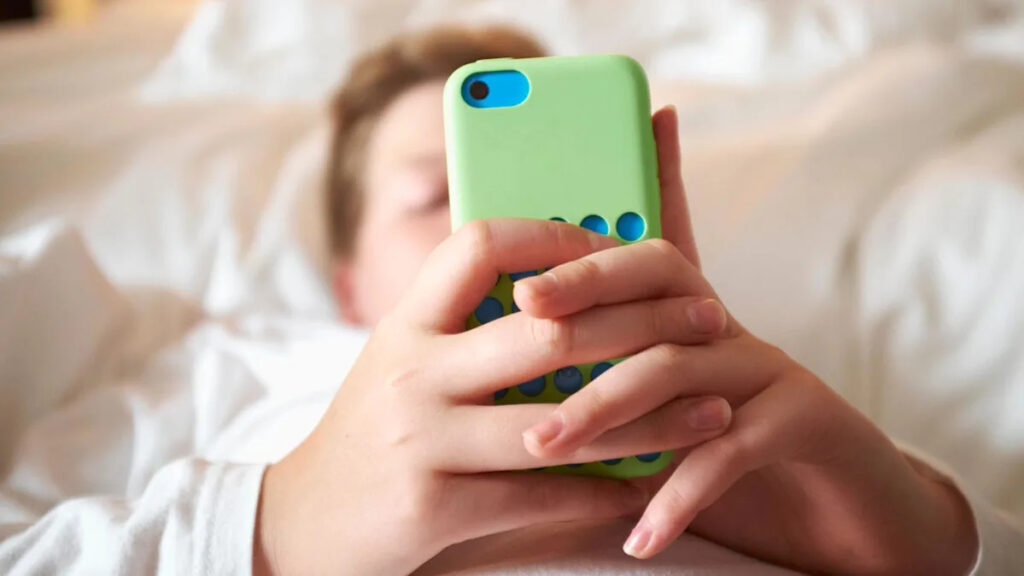
Australia is facing a significant legal challenge regarding its new law that bans children under 16 from using social media platforms, set to take effect on December 10. This landmark legislation mandates that companies like Meta, TikTok, and YouTube ensure that users in this age group cannot create accounts, a move proponents argue is crucial for protecting children from harmful online content and algorithms.
However, the law is under scrutiny as two teenagers, 15-year-olds Noah Jones and Macy Neyland, have filed a challenge in Australia’s High Court, claiming it is unconstitutional and infringes on their right to free communication. Backed by the Digital Freedom Project (DFP), they contend that the ban disregards the rights of children to engage with and learn from digital platforms. "We shouldn't be silenced. It's like Orwell's book 1984, and that scares me," Neyland said in a statement.
Communications Minister Anika Wells has responded robustly to the legal challenge, asserting that the government will not back down. "We will not be intimidated by threats. We will not be intimidated by legal challenges. We will not be intimidated by big tech. On behalf of Australian parents, we will stand firm," she declared in parliament.
The DFP has emphasized the potential negative consequences of this ban, particularly for vulnerable children, including those with disabilities, First Nations youth, and LGBTIQ+ teens. The group argues that a complete disconnection from social media could disproportionately affect these populations, who often rely on these platforms for community and support. Their legal strategy will focus on the ban's implications for political communication and whether it is a proportional response to the stated aims of protecting children.
Their position highlights alternative strategies for enhancing online safety, such as improved digital literacy programs, the introduction of age-appropriate features on platforms, and the development of age assurance technologies that maintain greater privacy protections for users. Jones criticized the government’s approach as "lazy," advocating instead for protective measures that empower children to navigate the digital landscape responsibly. "They should protect kids with safeguards, not silence," he said.
While the law has garnered support from many Australian adults, polls indicate, it has faced pushback from tech companies required to enforce it. Reports suggest that Google, which owns YouTube, is considering a constitutional challenge to the legislation as well. Meanwhile, mental health advocates have raised concerns that the ban might cut children off from essential social connections and could inadvertently push them into even less regulated areas of the internet.
The outcome of this case could set a precedent not only for Australia but also for other nations grappling with similar issues of child safety online. As the legal proceedings unfold, both sides present compelling arguments that reflect broader societal concerns about the intersection of technology, youth, and free expression. The challenge underscores the need for a balanced approach that prioritizes the safety and rights of young users in an increasingly digital world.
Arizona Western’s SHOCKING 32-Point Blowout: What Caused Community Christian’s Epic Collapse?

Miniso's Shocking Hammersmith Debut: What You MUST See Before It’s Gone Forever!

Is Your Protein Intake Risking Your Health? Shocking New Findings from U.S. Fitness Experts!

Is Bitcoin on the Brink? Shocking New Ripple Data & Kaspa’s Hidden Secrets Revealed!

Why Are Top Investors Abandoning Ethereum? The Shocking Truth Revealed!

How One Glendale PD Lieutenant Beat a 90% Chance of Death After a Devastating Crash!
You might also like: