
Teens in 2025: The Shocking Truth About AI Chatbots That Will Change Everything!

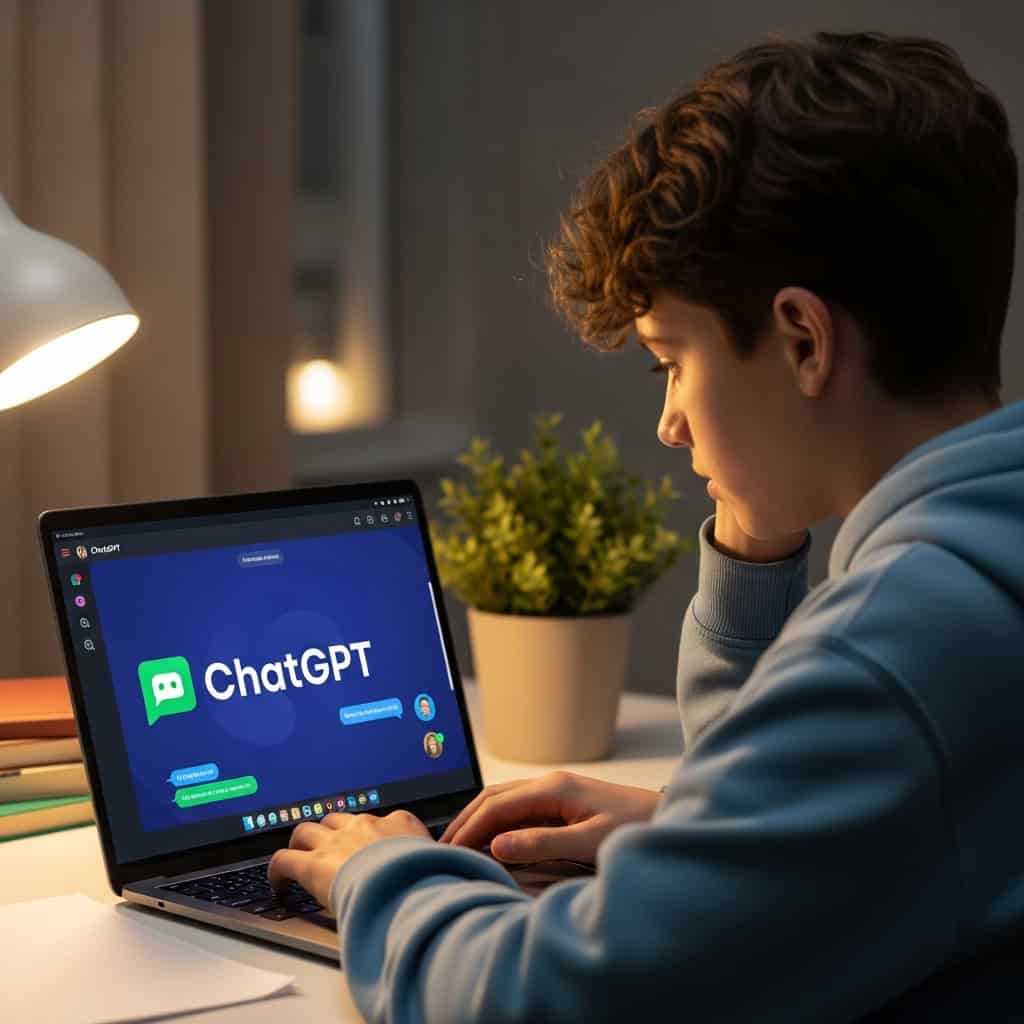
A recent survey from Pew Research, titled “Teens Social Media and AI Chatbots 2025,” indicates that AI chatbots are quickly becoming integral to the digital lives of American teenagers. Additionally, Spotify is tapping into this trend with its new feature called Prompted Playlists, which offers significant implications for musicians and music marketers alike.
According to the Pew study, nearly all teens in the U.S. use the internet daily, with YouTube being a standout platform where approximately nine-in-ten teens report using it. In addition, about six-in-ten or more teens use TikTok and Instagram, while 55% access Snapchat. Fewer teens utilize Facebook (31%) and WhatsApp (24%), while platforms like Reddit and X (formerly Twitter) see usage from no more than about one-in-five teens. Notably, around one in five U.S. teens say they are on TikTok and YouTube almost constantly.
📰 Table of Contents
The Rise of AI Chatbots Among Teens
The survey reveals a notable trend: among U.S. teens aged 13-17, 64% have used an AI chatbot, such as ChatGPT, with about 30% using one daily. This shift signifies more than just a tech trend; it suggests that AI chatbots could have a profound impact on how music is marketed and consumed.
As AI chatbots become part of teens’ daily routines, they are joining the ranks of existing digital platforms. Among those who use chatbots, ChatGPT leads, with 59% of users opting for it, followed by Gemini at 23% and Meta AI at 20%. This suggests that for many teens, chatbots are becoming as fundamental as streaming apps and social media.
In response to this growing trend, Spotify has launched its beta feature, Prompted Playlists, available to Premium listeners in New Zealand. This innovative feature allows users to describe their desired listening experience and set rules for creating personalized playlists. According to Spotify, this feature “puts control of the algorithm and the broader Spotify experience directly in your hands.” The playlists are curated based on a user’s complete Spotify history, ensuring the recommendations reflect both current tastes and musical evolution over time.
To illustrate, a user might request “music from my top artists from the last five years” and enhance it with “and feature deep cuts I haven’t heard yet.” Alternatively, they could seek “high-energy pop and hip-hop for a 30-minute 5K run that keeps a steady pace before easing into relaxing songs for a cool-down,” asking, “include music from this year’s biggest films and most-talked-about TV shows that match my taste.”
Implications for Music Creators and Fans
This evolution in music discovery presents new opportunities for artists. Imagine a teen asking a chatbot, “What’s a good new album if I like XYZ genre?” The bot could quickly generate suggestions, link to streaming platforms, or surface related videos and artists. This transforms music discovery from passive scrolling to an engaging, interactive dialogue. For independent or niche artists, this creates a massive opportunity to gain visibility.
Furthermore, chatbots can act as virtual fan assistants. They could recommend concerts, help purchase tickets, summarize an artist’s background, or engage directly with fans through creative interactions like “fan-bot Q&A” sessions, lyric breakdowns, or custom playlists. For marketers and promoters, these capabilities could open up new promotional avenues.
As teens become accustomed to AI-generated interactions, their expectations will likely shift. They may begin to anticipate on-demand, personalized content—not just music, but also context, background, and storytelling. Artists who incorporate narrative elements, AI-driven chat, or interactive content could stand out in this new landscape.
However, the Pew study also highlights demographic variations in chatbot usage. For instance, Black and Hispanic teens report higher usage than their White peers, and older teens (ages 15-17) tend to engage with chatbots more than younger ones. This uneven adoption could influence which artists and genres gain traction through AI-driven discovery.
Additionally, reliance on AI for social interaction rather than traditional social networks may alter how youth consume media and what they value from music and storytelling. While chatbots offer innovative ways to engage with fans, they also raise questions about authenticity, recommendation quality, and inherent algorithmic biases.
What Musicians and Marketers Should Do Now
To adapt, musicians and music marketers should explore how conversational AI can enhance their outreach. By integrating chatbots into marketing strategies—like fan Q&A sessions, personalized song recommendations, or release announcements—they can leverage this technology effectively. It’s crucial to ensure that music metadata, lyrics, and bios are well-structured so AI tools can accurately parse and present information.
Moreover, engaging with diverse audiences will be vital, given the demographic variances in chatbot usage. Tailoring outreach efforts to underrepresented groups could help lower barriers to discovery, allowing for a richer music landscape.
As AI chatbots become more embedded in daily life, the landscape for music discovery, consumption, and sharing may shift dramatically. Musicians and marketers that embrace these tools early can engage younger fans in conversational ways, redefining what fan engagement looks like in the AI age.
Bruce Houghton, Founder & Editor of Hypebot and Senior Advisor at Bandsintown, emphasizes that as technology evolves, so too must the strategies for connecting with fans and promoting music.
Is Climate Change Really Making You Sick? Shocking New UNEP Report Reveals Alarming Truth!
The Shocking Truth: Which Team Ranked Dead Last in College Football Playoff History? You Won't Believe It!

You Won't Believe What Jo Whiley Discovered Caring for Elderly Parents This Holiday Season!
Microsoft Kills Off Beloved App After Just 4 Years—Here's What Users Are Losing!

Bitcoin Investor Loses $250,000 Retirement Fund to Shocking AI Scam—What You Must Know!

Unlock the Secret: 10 Shocking Foods Dietitians Say Could Transform Your Sleep Tonight!
You might also like: