
Teen Social Media Bans Spark Outrage: Are Parents Really This Desperate? Find Out Why!

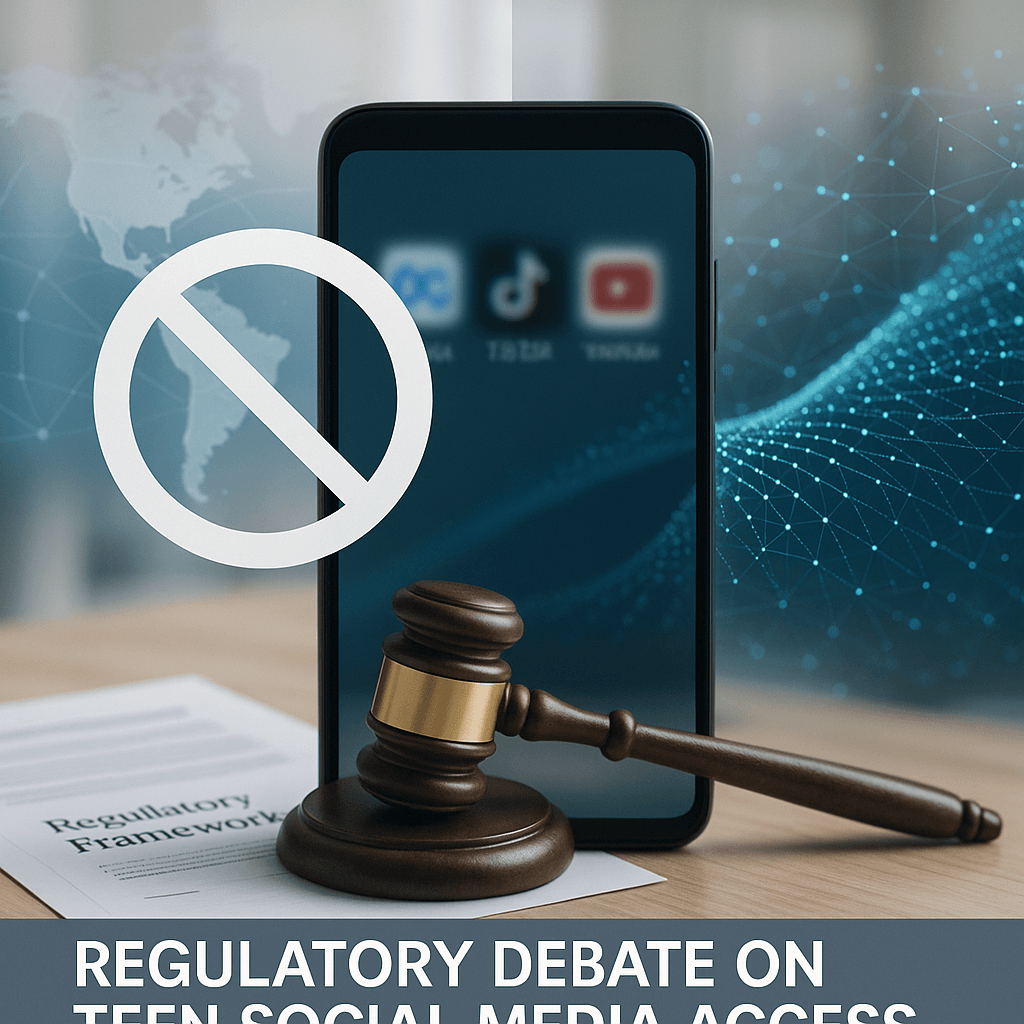
A growing number of countries are taking a hard stance against social media use among teenagers, proposing outright bans as a solution to concerns about mental health and online safety. However, this approach has sparked significant criticism from tech policy experts who view it as an admission of regulatory failure. Instead of holding social media platforms accountable for their design choices that can exacerbate harm, critics argue that governments are choosing a path that avoids addressing the root causes of these issues.
As social media giants like Meta, TikTok, Snap, and Google's YouTube continue to prioritize engagement through their algorithms, the consequences for developing minds are becoming increasingly evident. "I think the argument for a ban is an admission of failure that we cannot regulate companies, so we can only restrict children," one expert noted, succinctly capturing a broader debate about the efficacy of age restrictions in curbing social media-related harm.
Countries, including Australia and several European nations, along with various states in the U.S., are exploring or implementing restrictions on social media access for minors. These measures are largely motivated by alarming statistics surrounding youth mental health, addictive design patterns, and exposure to harmful content. Yet, critics argue that such bans misdiagnose the problem. Rather than addressing the algorithmic amplification of harmful content or the use of dark patterns designed to maximize user engagement, these bans shift the responsibility onto young users and their families.
Enforcement of these bans also presents a complex challenge. How can social media platforms effectively verify the ages of their users without infringing on privacy rights or creating invasive surveillance systems? These questions remain largely unanswered as authorities rush to implement regulations that may not fundamentally change the behavior of platforms.
The reluctance of these tech giants to embrace meaningful regulation has been well-documented. Instead of requiring platforms to redesign their systems for better user outcomes, governments are opting for restrictions that could be both ineffective and potentially counterproductive. Critics worry that simply cutting off access for minors does not address the underlying issues of harmful content and poor moderation.
The ongoing debates and proposed policies reflect a growing awareness of the implications of social media on youth. Current research suggests that design choices made by social media companies can have particularly detrimental effects on young users, especially when it comes to mental health. As policymakers grapple with these challenges, the question remains: will bans effectively protect young users, or will they merely serve as a temporary fix that leaves the real issues unaddressed?
As lawmakers around the world consider these complex questions, it is clear that a more nuanced approach may be necessary. The challenge lies not just in protecting teenagers from social media but also in ensuring that platforms are held accountable for their design and the impact it has on users. Until then, the debate continues as countries navigate the fine line between regulation and access, all while keeping the welfare of their youth at the forefront.
Nike's Shocking Lawsuit Could Change Soccer Forever: Are They Risking Billions?

You Won't Believe What Miami's Top NFL Draft Prospect Mendoza Has Been Hiding!

Bel's Shocking Strategy: How They're Winning the Healthy Snack War While Rivals Crumble!

22 Palm Beach Leaders Just Backed David Jolly—Is This the Shock Move That Could Flip Florida Politics?

Sony's Shocking Layoff Blitz: 300+ Jobs on the Chopping Block—Is Your Favorite Film in Danger?

You Won't Believe What Amarillo Is Giving Away: Free Pet Vaccines Could Save You Hundreds!
You might also like: