
Tech Whiz Uses ChatGPT to Code a Cancer Vaccine—Will It Save His Dog's Life Before Time Runs Out?

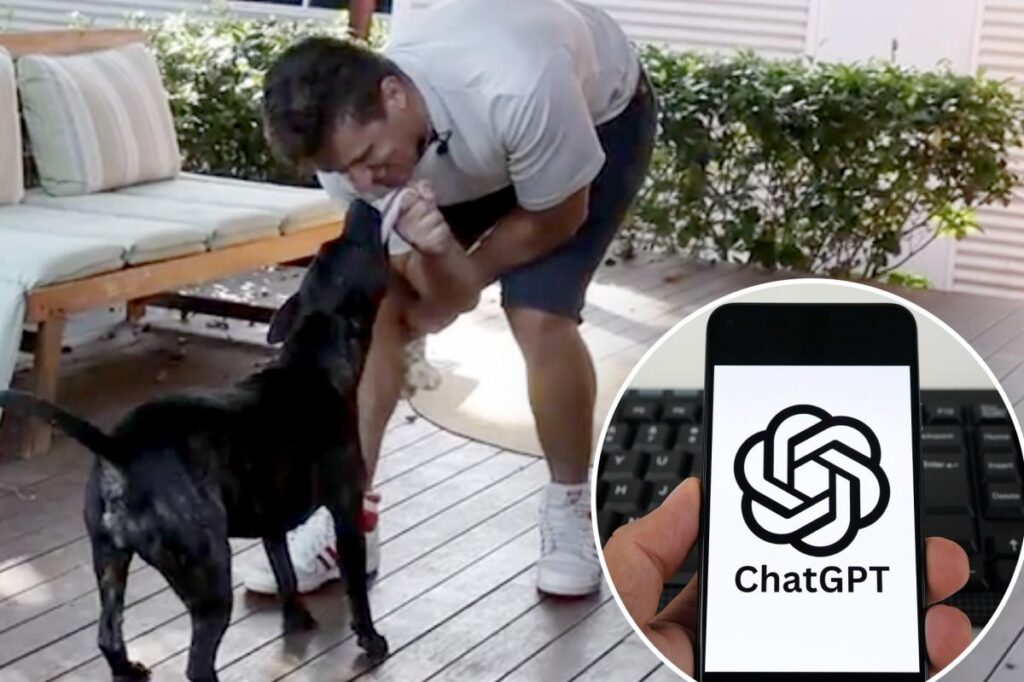
In a remarkable intersection of technology and compassion, Australian tech entrepreneur Paul Conyngham has taken a unique approach to prolonging his dog Rosie’s life, utilizing artificial intelligence to tackle her dire health condition. Rosie, an eight-year-old dog, was diagnosed with aggressive mast cell cancer, leaving her with only months to live. After exhausting thousands of dollars on traditional treatments like chemotherapy and surgery with little success, Conyngham turned to an unexpected ally: ChatGPT.
Frustrated yet determined, Conyngham engaged the AI chatbot to explore potential cures for Rosie's cancer. Following its suggestion of immunotherapy, he reached out to the UNSW Ramaciotti Centre for Genomics to sequence Rosie's DNA. UNSW associate professor Martin Smith noted, “We often get oddball queries, and this one was coming from a private individual looking to sequence his dog. DNA sequencing is a way to profile the tumor and identify mutations that might be causing the disease.”
Conyngham invested $3,000 in the sequencing process, leveraging his 17 years of expertise in machine learning and data analysis to interpret the genetic data. He meticulously processed this information through various data pipelines, identifying mutated proteins linked to the tumor and matching them with potential drugs for treatment. His efforts culminated in the creation of a blueprint for a tailored mRNA vaccine for Rosie.
Despite his determination, Conyngham faced a setback when they discovered that an existing immunotherapy drug produced by a pharmaceutical company was not accessible. However, the team quickly pivoted, resulting in the development of the world’s first personalized mRNA cancer vaccine, crafted by Pall Thordarson, director of the UNSW RNA Institute, utilizing some of Conyngham's own code.
Yet, even after creating the vaccine, the process was far from straightforward. Conyngham had to navigate the complex landscape of ethics approval to conduct a drug trial on Rosie. He recounted, “The red tape was actually harder than the vaccine creation. It took me three months, putting two hours aside every single night just typing up this 100-page document.” His perseverance paid off when Rachel Allavena, a canine immunotherapy professor at the University of Queensland’s School of Veterinary Science, stepped in to expedite approvals due to her expertise in experimental therapies.
Once the vaccine was developed, it was delivered to Allavena’s laboratory in Gatton—a ten-hour drive for Conyngham and Rosie. In December, Rosie received her first shot, followed by a booster shot last month and another planned for this week. The results have been astonishing. The once tennis-ball-sized tumor on Rosie’s leg has shrunk to half its original size, and she displays increased vitality, a shinier coat, and a generally happier demeanor.
As treatment progresses, Conyngham is not resting on his laurels. He is currently working on a second vaccine to address another tumor that did not respond to the first treatment, attesting to the significant improvement in Rosie’s health and energy levels. “I’m under no illusion that this is a cure, but I do believe this treatment has bought Rosie significantly more time and quality of life,” he stated.
Smith expressed hope that this groundbreaking work could spur advancements in cancer treatments for humans, asking, “If we can do this for a dog, why aren’t we rolling this out to all humans with cancer?” His sentiment embodies the optimism surrounding personalized medicine and its potential to provide hope for many.
The journey of Conyngham and Rosie exemplifies how the marriage of modern technology, research, and unwavering love for pets can lead to remarkable breakthroughs. In a world where cancer remains a leading cause of death, stories like these ignite hope, not just for our beloved animals, but for the future of medical science as a whole.
$1 Million Investment in SK Startup Institute: Are Local Entrepreneurs Ready to Seize This Rare Opportunity?

Is This Star-Studded 2026 Girls Soccer Team the Best Ever? Shocking Predictions Inside!

Unlock March Madness NOW: Get Your FREE 2026 Brackets for Men's & Women's Tournaments Before They’re Gone!

You Won't Believe the Insane Feature on the Samsung Galaxy S26 Ultra Everyone's Talking About!

Why Athol's Town Manager Says THIS Election Could Change Everything—Don't Miss the Shocking Details!

Why 'One Battle After Another' Took Home Best Picture—And What Jessie Buckley & Michael B. Jordan Revealed That Shocked Everyone!
You might also like: