
Tech Giants Face BACKLASH: Are You Unknowingly Consuming AI Lies? Find Out NOW!

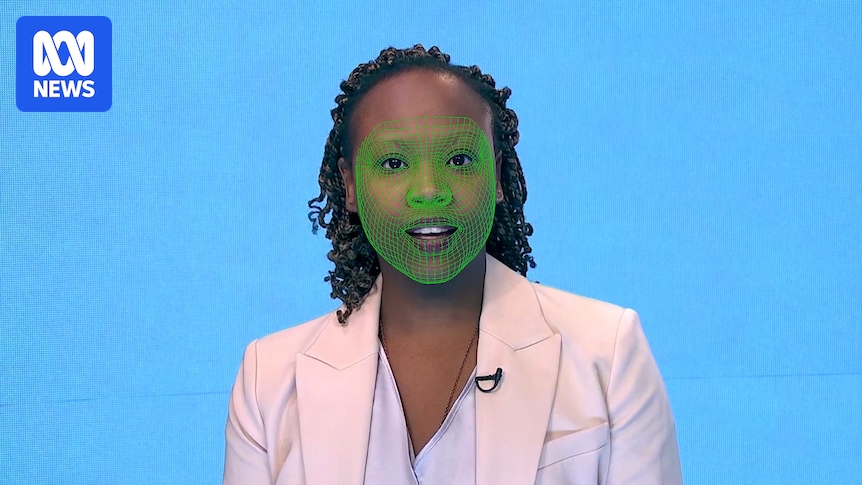
Artificial intelligence (AI) developers are being urged by the Australian government to implement "watermarking" on AI-generated content to clearly distinguish it from human-created material. This guidance comes amid increasing concerns that AI technology could be misused to mislead and harm individuals, particularly in an era where misinformation is rampant.
Currently, there are no legal requirements for identifying content as AI-generated, leading to a troubling phenomenon known as deepfaking, where manipulated content can be mistaken for reality. To combat this, the federal government has issued guidance suggesting that AI-generated content should be "clearly identifiable" through labels or embedded information that trace the origins of the content. This process, referred to as watermarking, is considered more secure than traditional labeling methods that can be easily altered or removed.
Industry Minister Tim Ayres emphasized the importance of transparency, stating, "AI is here to stay. By being transparent about when and how it is used, we can ensure the community benefits from innovation without sacrificing trust." The Albanese government is encouraging businesses to adopt this guidance as part of a broader effort to build trust and protect the integrity of online content, thereby giving Australians confidence in what they consume.
Some major companies, including Google, have already begun watermarking their AI-generated content. However, there is a growing fear that the rapid proliferation of generative AI could enable various forms of fraud, misinformation, blackmail, and exploitation. The eSafety Commission has reported that instances of deepfake image-based abuse are occurring at least once a week in Australian schools, underlining the urgency of these concerns.
In response to the challenges posed by AI, independent senator David Pocock recently introduced a private senator's bill aimed at prohibiting the use of digitally altered or AI-generated content that features an individual's face or voice without their consent. Pocock criticized the federal government for its sluggish response to the need for comprehensive regulations, noting that a review of responsible AI practices has been underway for over two years without substantial action.
National AI Plan on the Horizon
This new guidance precedes the expected release of a National AI Plan by the government, which has been in development for several years. The plan aims to introduce "mandatory guardrails" to mitigate the potential negative impacts of AI. It will also address topics discussed at a recent productivity roundtable, where AI's role in boosting the economy and increasing wages was a focal point.
During the roundtable, the Productivity Commission cautioned against the introduction of mandatory guardrails, arguing that such measures could hinder the potential $116 billion economic opportunity associated with AI. They urged the government to pause any legislative actions until existing gaps in the law are thoroughly evaluated.
The federal government is striving to find a balance between regulating the risks associated with AI while also fostering an environment conducive to economic growth. To further this aim, Senator Ayres recently announced the creation of an AI Safety Institute, which will monitor and respond to risks posed by AI technologies and work to build public trust in the technology.
Former industry minister Ed Husic, who initiated consultations on a federal response to the growth of AI, has called for a dedicated AI Act. Such legislation could provide a flexible framework to adapt as AI technology continues to evolve, ensuring that regulatory measures keep pace with innovations.
As Australia navigates this complex landscape, the push for transparency and accountability in AI usage is becoming increasingly critical. The government’s initiatives signal a recognition of the potential risks associated with AI, as well as an acknowledgment of the technology's capacity for transformative positive impact. In a world where AI is becoming increasingly integral to everyday life, ensuring that the public can trust the content they encounter is of paramount importance.
FDA’s Shocking Move: Are COVID Vaccines Linked to Child Deaths? Here’s What You Must Know!

Smartphone Makers ABANDON Ultra-Thin Designs After iPhone Air Fiasco—What’s Next?

You Won't Believe What Happened in the Magic's First 20 Games – Shocking Stats Inside!

Real Estate Agent Lured to 'Dream Home'—What Happened Next Will Shock You!
You Won't Believe What Legal Nightmares Await Trump After His White House Comeback! Discover the Shocking Details!

Swiss Voters Shockingly Reject 50% Tax on Massive Donations—Are the Rich About to Flee?
You might also like: