
SZA's Shocking Accusation: Is Trump Really Using Her Music to Fuel ICE Controversy?

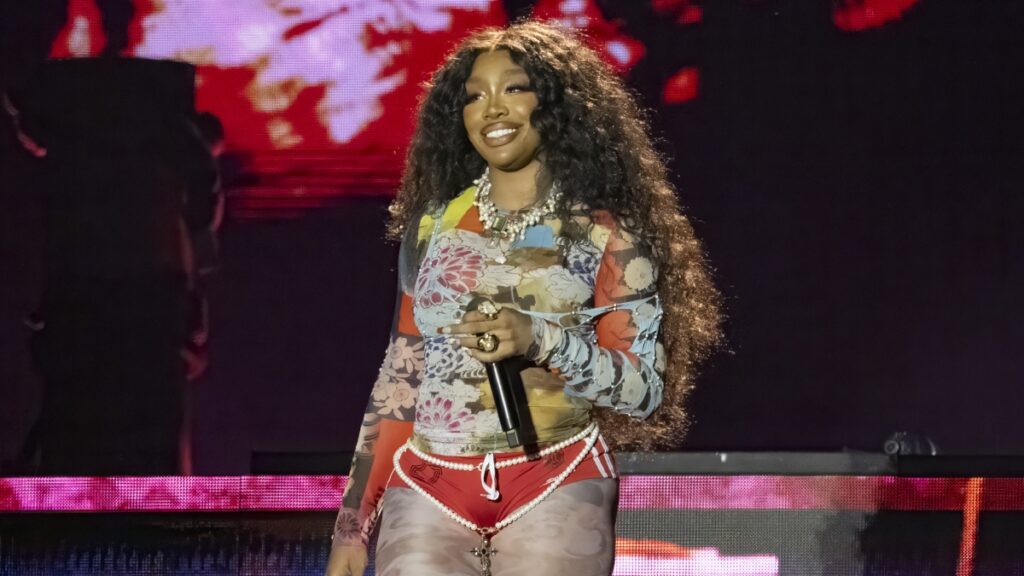
In a striking move that has ignited outrage among artists, the White House recently released a video showcasing the U.S. Immigration and Customs Enforcement (ICE) agency, using music from SZA's well-known Saturday Night Live skit “Big Boys.” This has led SZA to accuse the Trump administration of what she termed “rage baiting artists,” as the video was produced without her permission. “White House rage baiting artists for free promo is PEAK DARK,” she expressed on social media, critiquing the administration for employing “inhumanity + shock and aw[e] tactics ..Evil n Boring .”
Posted on December 8, 2025, the video features ICE agents in military gear making arrests, with the caption declaring, “WE HEARD IT’S CUFFING SZN. Bad news for criminal illegal aliens. Great news for America.” This controversial portrayal not only raises questions about the use of artistic works in political messaging but also highlights a growing trend where artists are pushing back against the appropriation of their music to promote specific policies.
Adding her voice to the chorus of dissent, singer Sabrina Carpenter condemned the White House as “evil and disgusting” for featuring her song “Juno” in a similar ICE video. These incidents reflect a broader pattern of artists resisting the use of their work to support the Trump administration's anti-immigration policies. High-profile figures such as JAY-Z, MGMT, and The Cure have also taken action, issuing DMCA takedowns against unauthorized uses of their music. Even The Pokémon Company has publicly disavowed the employment of one of their songs in a political context.
This backlash is not merely a matter of artistic ownership; it’s emblematic of a larger cultural conflict where the music industry and its artists are increasingly vocal about the implications of their work being used for political ends. The use of music in media campaigns is not new, but the intensity of the backlash against the Trump administration's tactics shines a spotlight on the evolving relationship between artists and political entities.
The implications are significant. Artists are asserting their rights and pushing back against perceived exploitation in a climate where political narratives often hinge on sensationalism and polarization. SZA’s comments underscore a growing dissatisfaction with the administration's tactics, which many view as manipulative and opportunistic.
As this issue continues to unfold, it raises vital questions about the power dynamics at play between artists and those in authority. The notion of "rage baiting" suggests a calculated strategy to incite reactions for political gain, further complicating the already fraught intersection of art and politics. This evolving narrative invites a broader conversation about creative independence and the ethical considerations of using artistic expression in support of specific policies.
The recent criticisms from artists like SZA and Carpenter serve as a reminder that the music industry is a powerful cultural force, capable of influencing public opinion and shaping societal values. As artists reclaim their narratives, it will be interesting to see how this affects not only the political landscape but also the future of music and artistic expression in America.
Is Your Home Prepared? 5 Shocking Climate Change Effects That Could Leave You Vulnerable!

You Won't Believe What This Celebrity-Owned N.J. Property Is Turning Into—Act Fast Before It's Gone!

Lakers’ Shocking 30-Point Defeat Exposes Major Flaws—Is a Star Player on the Trading Block?

10 Must-Watch TV Shows from 2025 Before They Vanish in 2026—Are You Missing Out?

Dow Soars While Nasdaq Plummets—Is Oracle’s Shocking Earnings Report the Start of a Market Crash?

McDonald's Shocking AI Christmas Ad Pulled – What Went Wrong That Left Millions Outraged?
You might also like: