Students Are Suffering Alone: The Shocking Truth Behind Loneliness and How We Can Fix It!

In an era where social connection is vital, a recent study highlights the complex landscape of social interactions among university students. The research, based on focus groups and an online survey, reveals that while students strive to connect, many face significant barriers that can lead to feelings of isolation and loneliness, even in the midst of crowds.
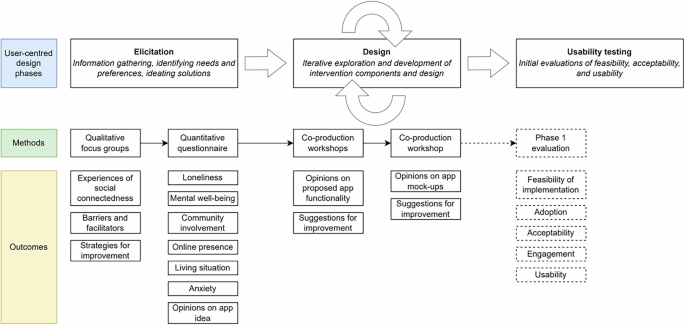
The study began with a series of focus groups designed to explore students' experiences of social connectedness, focusing on diverse demographics. Participants shared their insights, revealing three main themes: experiences of social connection, opportunities and ways to connect, and barriers to connection.
Experiences of Social Connection
Students emphasized the importance of shared experiences as a cornerstone of their social lives. Many enrolled in university primarily for opportunities to interact with peers from varied backgrounds. One participant noted, “Quite a large reason of why I went to university was for social interaction was for adult conversation. I’m a Mum…” This sentiment underscores the significance of social interaction in higher education, not just academically but also personally.
However, the struggle to fit in also surfaced. The pressure to conform to social norms often leads students to engage in behaviors contrary to their personal preferences. As one participant shared, “I think I would have ended up drinking just to kind of fit in with people.” Such pressures can exacerbate feelings of loneliness, particularly for mature students who may feel out of sync with younger peers. “I felt very alone, even when I was like in the nightclub, surrounded by people…” another student remarked, showcasing that proximity doesn’t always equate to genuine connection.
Opportunities and Ways to Connect
The study further identified various opportunities for social interactions, predominantly through social media, which students use to initiate connections. One participant pointed out, “From my experience, the initial connection is like social media anyway.” Despite its utility in avoiding the anxiety associated with face-to-face interactions, social media often fails to foster deeper connections.
In-person interactions, particularly with coursemates during group projects or shared lectures, were also recognized as key opportunities for connection. Moreover, students found the campus environment instrumental in nurturing a sense of belonging. One remarked, “Something that actually is on campus… joins you into the university more and makes you feel more connected.” The vibrant atmosphere of the campus was noted as a stark contrast to the isolation many felt during the COVID-19 lockdown.
Shared accommodations also played a dual role, acting as both an opportunity and a barrier. Many students reported that living in residence halls facilitated social interactions, while others expressed challenges in connecting when placed with mismatched roommates.
Barriers to Connection
Despite these opportunities, various barriers hinder social engagement. Students identified accessibility issues, especially during Fresher’s Week, as critical points where connections could be made or lost. Commuter students expressed challenges participating in spontaneous plans, stating, “I kind of like, had flashes of like feeling really lonely…” Financial constraints also emerged as a significant barrier, with comments like, “I can’t afford to do that, like, and then it’s been quite difficult and quite isolated for me…”
The excessive drinking culture prevalent on many campuses further complicates social dynamics. One student noted the pressure to drink as a means of socializing, stating, “There’s a lot of pressure to drink. And I think, if you don’t, it’s very easy to kind of like, become disconnected.” The desire for more alcohol-free activities has become a common theme among students seeking a sense of belonging without compromising their values.
Mental health also surfaced as a significant factor influencing social connectedness. Even among those who appeared socially integrated, struggles with mental health could lead to feelings of isolation, highlighting a complex relationship between social interactions and wellbeing.
In a complementary online survey involving 37 participants, results indicated moderate levels of loneliness, with a mean UCLA score of 47.77. Many respondents reported using social media as a means to connect but also expressed anxiety about engaging in social events, with 79% feeling anxious about meeting new people. Furthermore, most participants (approximately 62.96%) admitted to missing out on social events due to this anxiety.
Amidst this complex landscape of social interactions, students shared their thoughts on potential technological solutions to bridge the gaps. An app designed to enhance social connectivity among students received positive feedback. Participants rated its potential effectiveness to improve social connectedness at an average of 69.41, expressing that the app could alleviate some anxiety related to initiating connections in person.
However, concerns about safety and privacy were paramount. Students desired features that would allow for control over visibility and user interactions, emphasizing that the app should cater to diverse needs and preferences. This feedback points to a critical opportunity for universities to facilitate social connections while considering the unique challenges faced by their student population.
Ultimately, this research underscores the need for universities to actively engage in fostering environments that support social connectedness, addressing both the opportunities available and the barriers that persist. As one participant succinctly put it, “The more we can encourage people, I say we, I mean the uni…” This highlights the shared responsibility between institutions and students in creating vibrant, inclusive social landscapes that support mental and emotional wellbeing.
Bitcoin Conquers Wall Street, But This Shocking Twist Could Cost Investors Millions!

Why EMP.A Stock Just Plummeted 40%—Investors Are Panicking! Are You Next?

Shocking Resignation: Why This Health Clinic Director’s Sudden Exit Could Impact Your Care!

Nvidia's Shocking Software Reports: Will This Trigger a Stock Market Collapse? Find Out Now!
You Won't Believe Why This Shocking Legal Case Is Keeping Millions in the Dark!

Josh Stein's Shocking Revelation at White House Meeting: What You MUST Know About North Carolina's Future!
You might also like: